 ThreeMatchBan
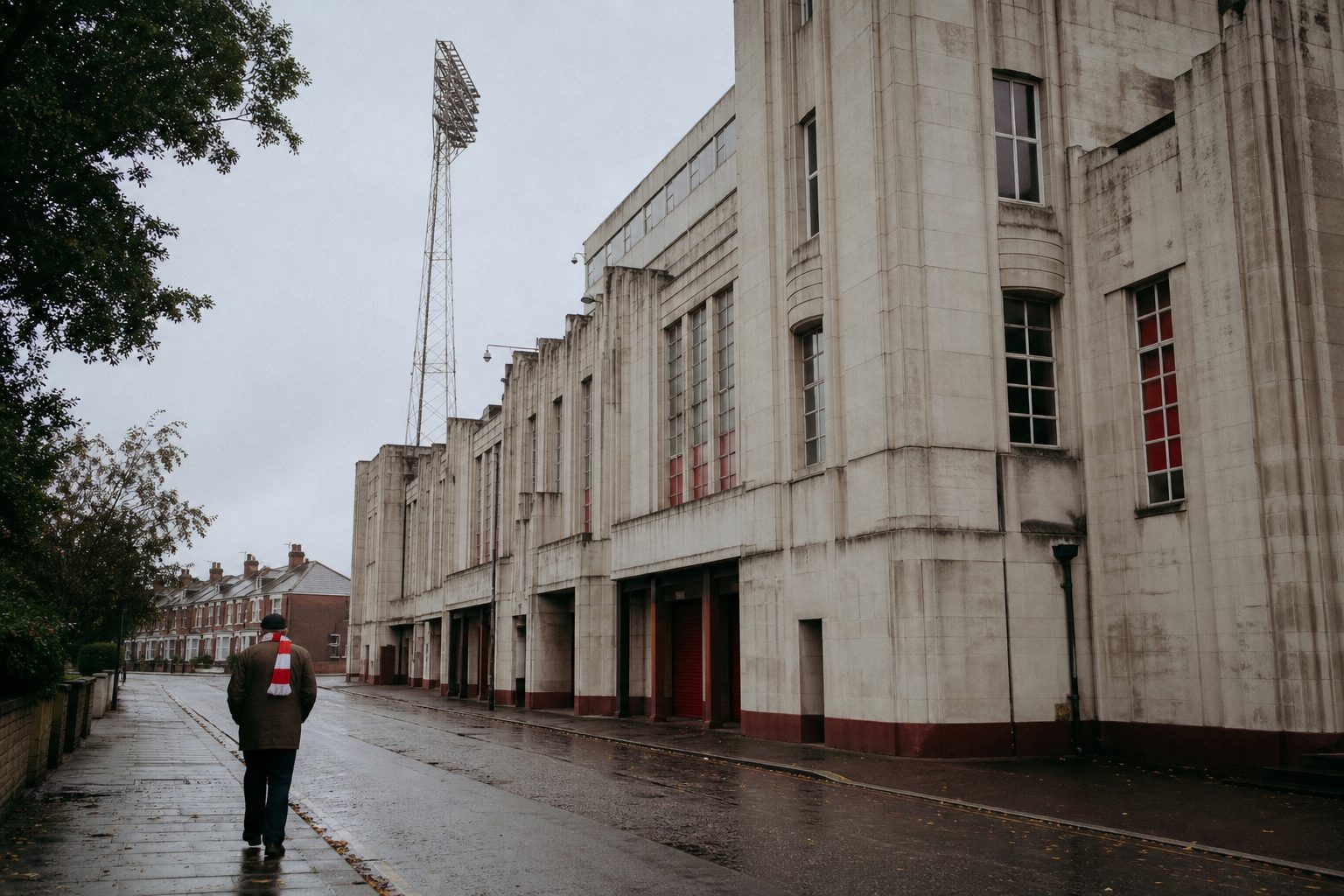
Arsenal began in 1886 as Dial Square, a works team at the Royal Arsenal in Woolwich, south-east London. Within a few years they had become Woolwich Arsenal, turned professional and joined the Football League. In 1913 Henry Norris moved the club across the river to Highbury, a decision that still shapes north London football rivalries more than a century later.
Chapman, Highbury and the marble halls
Herbert Chapman arrived in 1925 and built the first great Arsenal. His teams won the league in 1931 and 1933, and the club completed a hat-trick of titles after his sudden death in 1934. Chapman also lobbied for Gillespie Road Underground station to be renamed Arsenal, and the art deco East Stand at Highbury, with its marble entrance hall, became the most famous club building in the country.
Bertie Mee's side won the Double in 1971, sealing the title at White Hart Lane of all places. George Graham's back four of Lee Dixon, Tony Adams, Steve Bould and Nigel Winterburn, with Martin Keown and David Seaman soon added, won the league in 1989 and 1991. The first of those came on the final night of the season, with Michael Thomas scoring at Anfield to win 2–0 and take the title on goals scored.
Wenger and the Invincibles
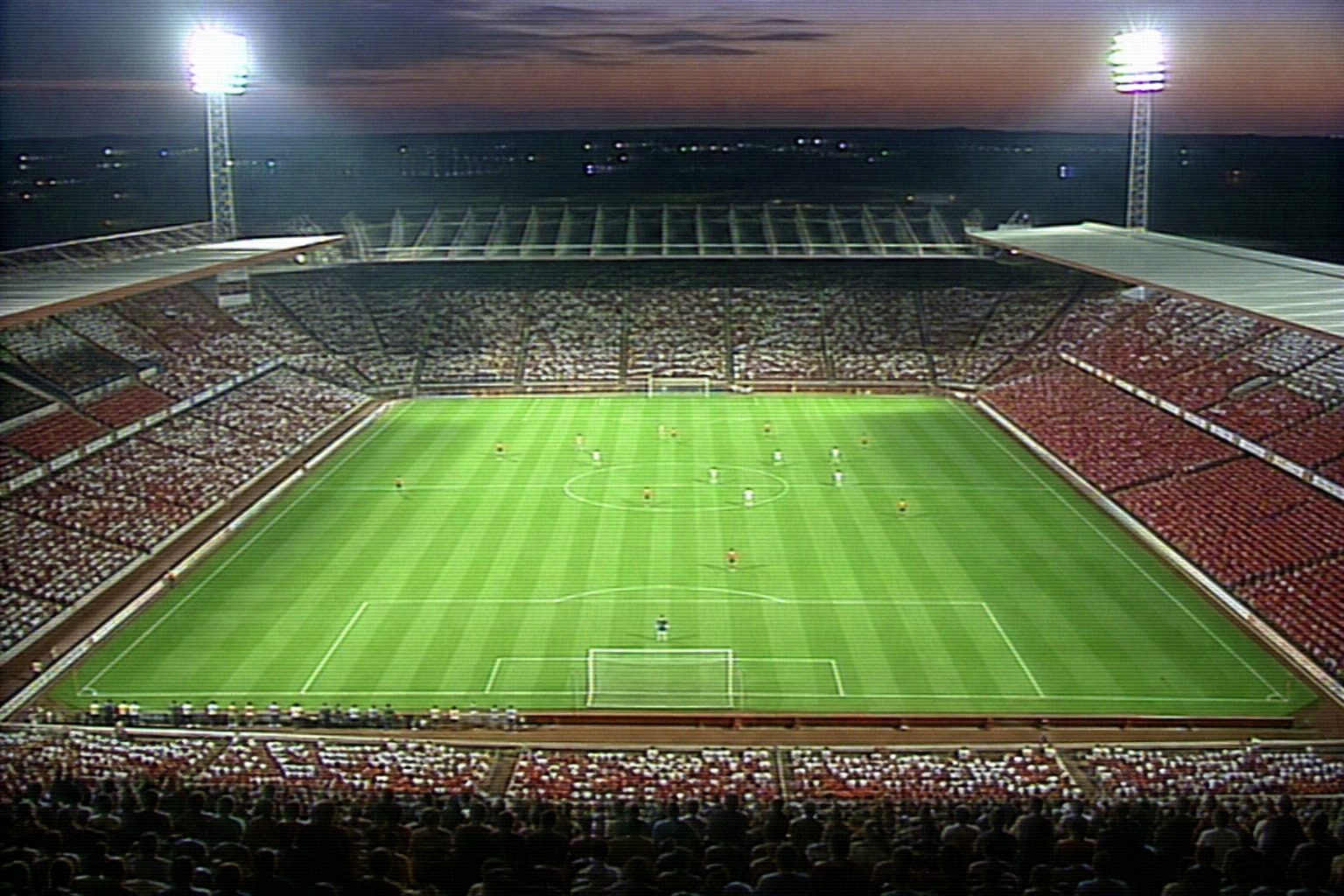
Arsène Wenger arrived from Nagoya Grampus Eight in 1996 to general bafflement and left in 2018 having changed how English footballers ate, trained and passed. Doubles followed in 1998 and 2002. In 2003–04 Arsenal went through a 38-game league season unbeaten, a side built around Thierry Henry, Patrick Vieira, Robert Pires, Dennis Bergkamp and Sol Campbell.
The move to the Emirates Stadium in 2006 brought a decade of financial restraint and repeated near misses. Fans grew restless at summer tournaments and annual meetings, though FA Cup wins kept arriving, in 2014, 2015 and 2017, and again under Mikel Arteta in 2020, making Arsenal the competition's most successful club.
Under Arteta the club has reshaped itself into a regular title challenger. The wait for a 14th league title has become the story of the era.
Cult figures and the north London habit
Every Arsenal generation has its unlikely heroes. Perry Groves had a song. Ray Parlour won a lot of trophies. Liam Brady's left foot in the 1970s still defines what an Irish playmaker is supposed to look like. And Martin Keown, once a defender who seemed to take every forward personally, later reinvented himself as a television pundit with an unnerving stare.
More on Arsenal
For the cannon and its many redesigns, see the history of the Arsenal badge. Visitors heading to N5 or N7 can check the away fans' pub guide to Arsenal and the Emirates before setting off.
Brady's legacy runs through a piece on Ireland's knack of producing skilful midfielders, while Keown's punditry gets a wry appraisal in an article on his chillingly entertaining Match of the Day appearances. Youth football features in a report on Arsenal reserves beating Sunderland at Barnet's Underhill.
The restless years at the Emirates are captured in a view from the executive seats during a booed Emirates Cup draw, and in happier mood by a day at the Emirates in the company of Robert Pires and Gianfranco Zola. A Champions League week against Barcelona turns up in a round-up of the week Arsenal beat Barça at the Emirates.
Lighter reading includes a list of the best team names in world football and a farewell to Ceefax and its page 302 football headlines. A darkly comic obituary examines the old claim that Osama bin Laden once watched Arsenal at Highbury.
The Arsenal tag also appears on a review of ten chaotic months of managerial change and on the story of a non-league club choosing a car boot sale over the FA Cup. Quiz fans can try the Brit abroad sticker quiz and the Premier League goalscorer GIF quiz, both of which include Arsenal players among the answers.