 ThreeMatchBan
Roberto Di Matteo won the Champions League and the FA Cup with Chelsea in May 2012. On 21 November he was sacked. A 3–0 defeat to Juventus in Turin the night before had left Chelsea close to a group-stage exit, and Roman Abramovich had seen enough of a run in which his side had won two of their last eight games. Rafael Benítez was installed as interim manager within hours.
Six months from European champion to unemployed felt like a cruel turn of fortune as much as a football decision. Still, Di Matteo could take some comfort from the long list of people the game has treated far worse, at the hands of a dog, a dart, the weather or something much darker.
Terriers, darts and lime: goalkeepers in the firing line
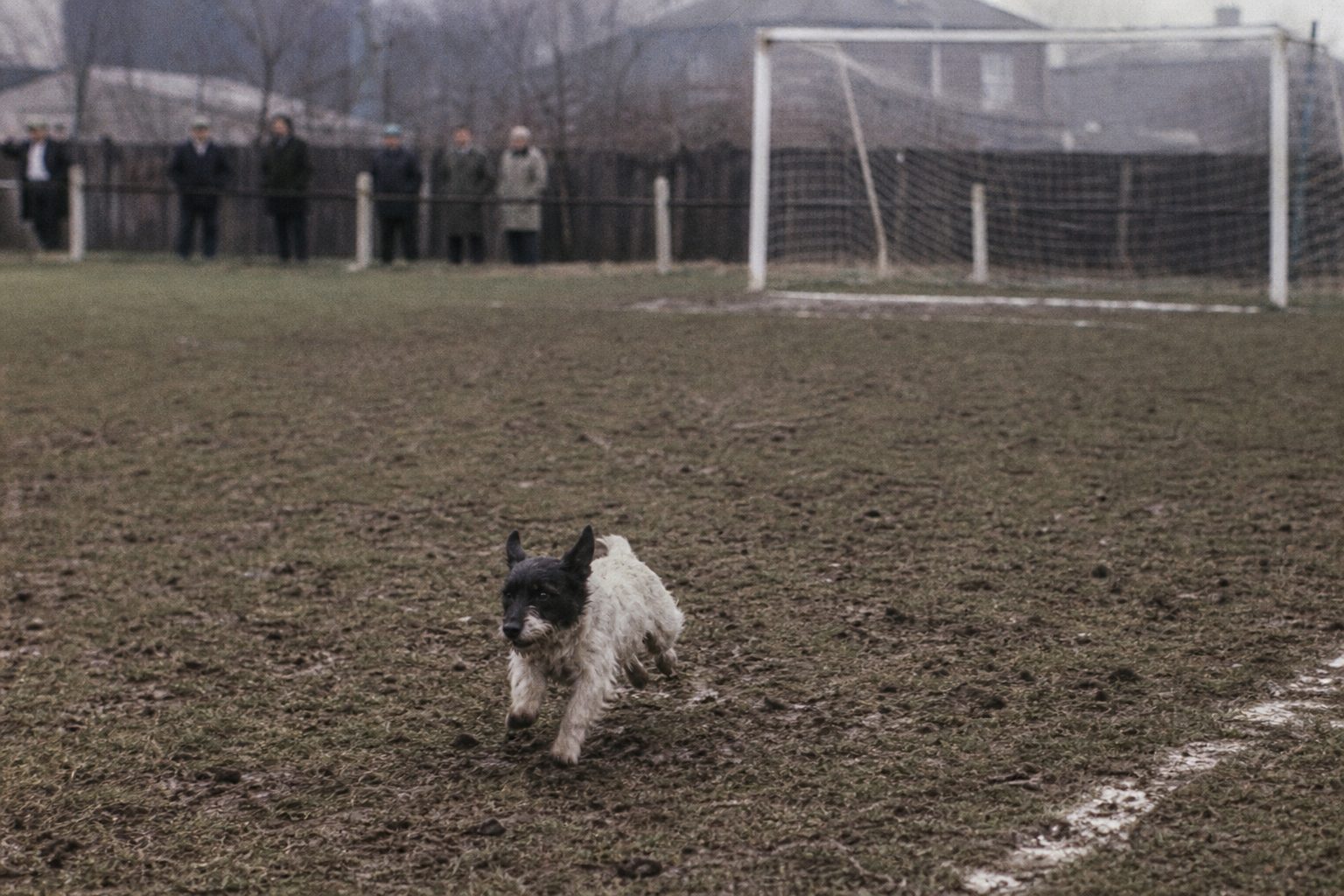
Brentford goalkeeper Chic Brodie had his career ended in November 1970 during a game against Colchester United, and the culprit was a black and white terrier. The dog enjoyed an extended run-around on the pitch before charging into Brodie and breaking his kneecap. He never played professional football again. It was equally comic and devastating.
Five years later Manchester United keeper Alex Stepney had to be substituted after dislocating his jaw while shouting at his own defenders. In 1998 former Manchester City goalkeeper Andy Dibble, then playing for Barry Town against Carmarthen Town at Richmond Park, suffered chemical burns after diving on pitch markings made from hydrated lime.
Danger does not always come from the pitch, as Pat Jennings found out. The Northern Ireland goalkeeper, who served both Tottenham and Arsenal, later recalled an afternoon at the City Ground: “I was playing at Nottingham Forest one afternoon and I went nine or ten yards out of my goal to get a back-pass. Next thing I felt something going into my arm. When I looked down there was a dart stuck full-length into my arm.”
Regulars on the treatment table
Colchester's Bobby Blackwood had his jaw broken by QPR's Les Allen in 1966. In the rematch a month later, it was broken again. Again by Allen.
Kieron Dyer spent large parts of his later career in the physio's room. His problems began in earnest at Newcastle, where injuries kept him out for long spells of 2006–07. Ten days after his West Ham debut the following season he suffered a double fracture of the right leg, missed the rest of the campaign and returned 17 months later. A hamstring injury sidelined him in May 2009, and he was hurt again in the first game of 2009–10, playing little part for the Hammers that season. By the time West Ham went down in 2011 his wages had become a talking point of their own.
In July 2011 Dyer joined QPR. Three minutes into his league debut he was stretchered off with a foot injury, and ligament damage picked up in a reserve game then kept him out for the rest of the season.
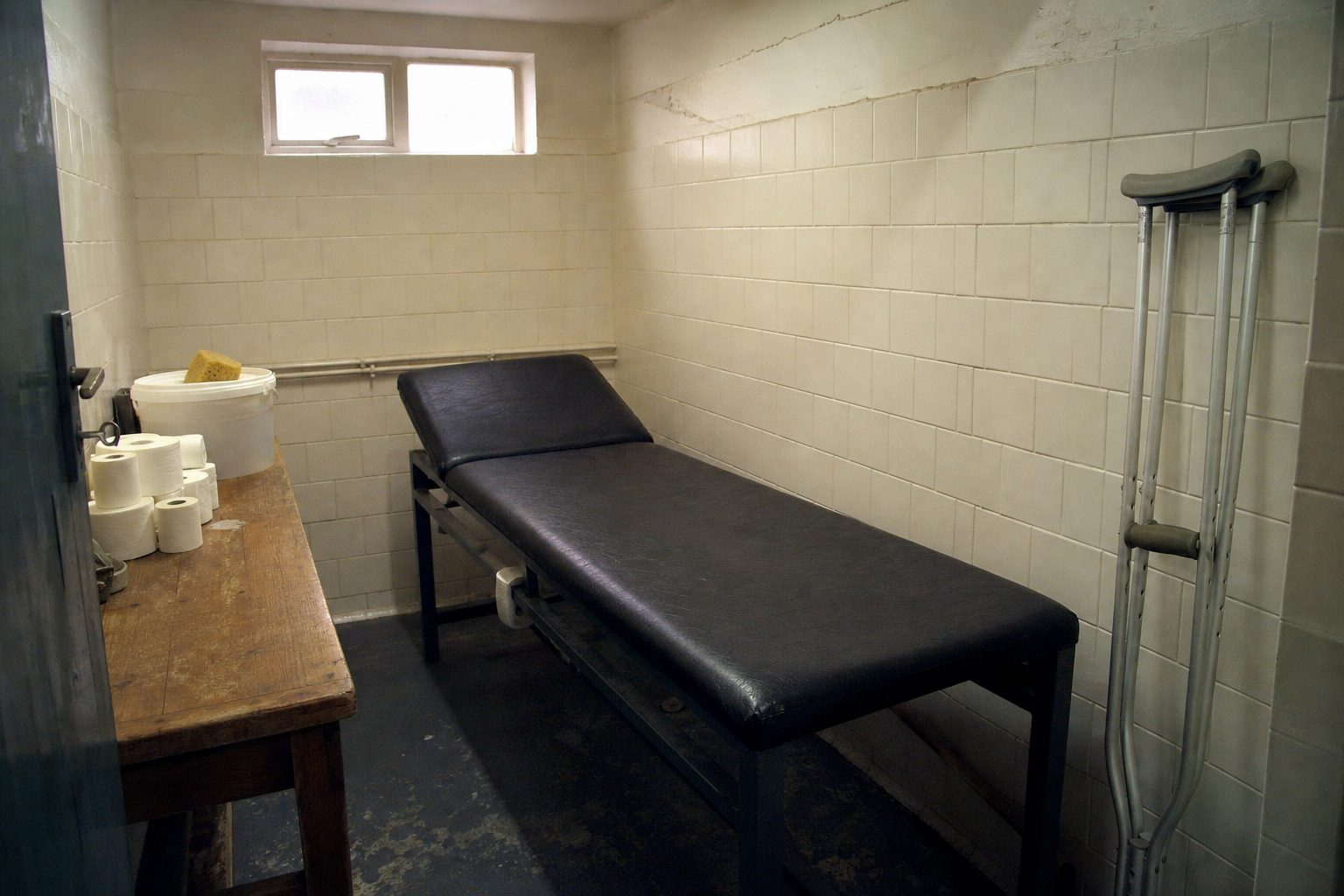
The undisputed king of injuries, though, is Denis Smith. During his years at Stoke City from 1968 to 1982 the centre-half suffered five broken legs, broke his nose four times, cracked an ankle, broke a collarbone, chipped his spine, broke most of his fingers and toes and needed more than 100 stitches. Players have found odder ways to get hurt, as the tales of golf buggies, salad cream and television sets show, but few have collected damage so thoroughly.
When bad luck turns to tragedy
Piermario Morosini died in April 2012 after suffering a cardiac arrest during Livorno's game at Pescara. Former Manchester City midfielder Marc Vivien Foe collapsed and died in June 2003 during Cameroon's Confederations Cup semi-final against Colombia in Lyon; the cause was the heart condition hypertrophic cardiomyopathy.
In the Democratic Republic of Congo in October 1998, the players of Bena Tshadi were reported killed when lightning struck during a match, while their opponents Basanga escaped.
Some do come back from the brink. Bolton midfielder Fabrice Muamba collapsed during an FA Cup quarter-final at White Hart Lane in March 2012 and survived, unlucky and lucky in the same moment, although he retired on medical advice that August. Many others who collapsed on the pitch were less fortunate.
Whole clubs out of luck
Misfortune can strike a whole squad. Ask Plymouth Argyle’s players of the 1920s, who finished runners-up in the old Third Division South six seasons running, from 1921–22 to 1926–27, at a time when only the champions went up. They finally reached the Second Division in 1930.
Cowdenbeath won the Scottish Second Division in 1914–15 and again in 1938–39, and both times the outbreak of a world war denied them promotion. They also finished second in 1921–22, the one season in which only a single club was promoted.
Tottenham went into the last day of 2005–06 needing a win at West Ham to reach the Champions League for the first time and keep Arsenal out of it. Instead ten first-team players, leading scorer Robbie Keane among them, went down with what was first reported as food poisoning, later put down to a form of gastroenteritis. Spurs lost 2–1 and Arsenal finished fourth. The hotel lasagne has carried the blame in north London folklore ever since.
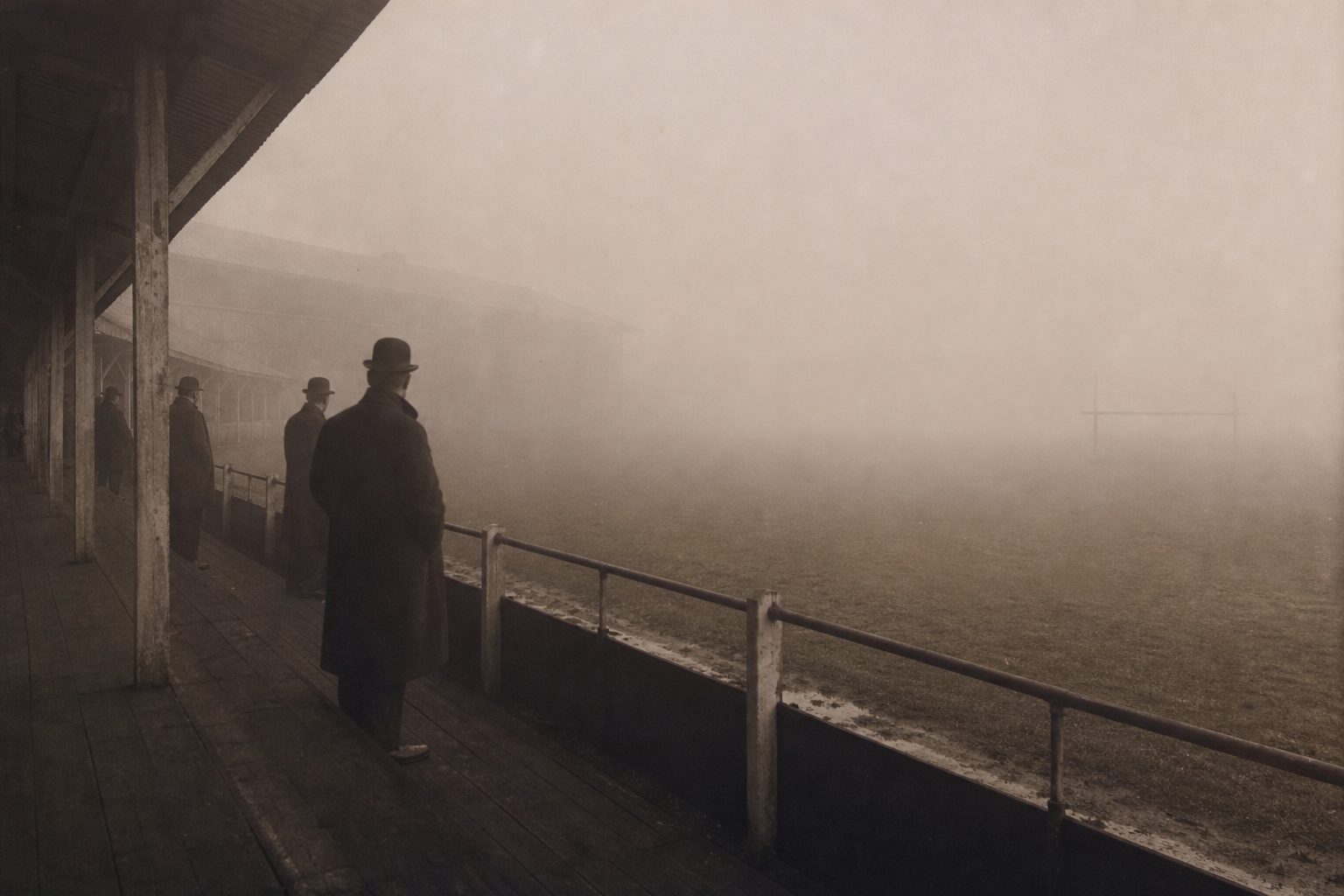
Everton lost the 1904–05 title to the weather. Leading Arsenal 3–1 in their final game and needing the win, they watched thick fog roll in and force an abandonment with 12 minutes left. They lost the rearranged game 2–1 and finished a point behind Newcastle.
Shankly and the rain
Luck can be an ally too, as Bill Shankly found in 1973. He picked the diminutive Brian Hall up front for the first leg of Liverpool’s UEFA Cup final against Borussia Mönchengladbach, then noticed that the Germans were vulnerable in the air and that he had got it wrong. After half an hour a torrential downpour forced the game to be abandoned.
It was replayed the following evening with big John Toshack brought in. Toshack set up a goal for Kevin Keegan, who scored twice in a 3–0 win, and Liverpool held on in Germany to lift their first European trophy.
Di Matteo had no such cloudburst in Turin. His next job, at Schalke, lasted eight months, and his spell at Aston Villa in 2016 barely four.