 ThreeMatchBan
This site is dedicated to football, providing insights, analyses, and commentary. The focus here is on delivering high-quality content with accuracy in writing and a deep understanding of the game.
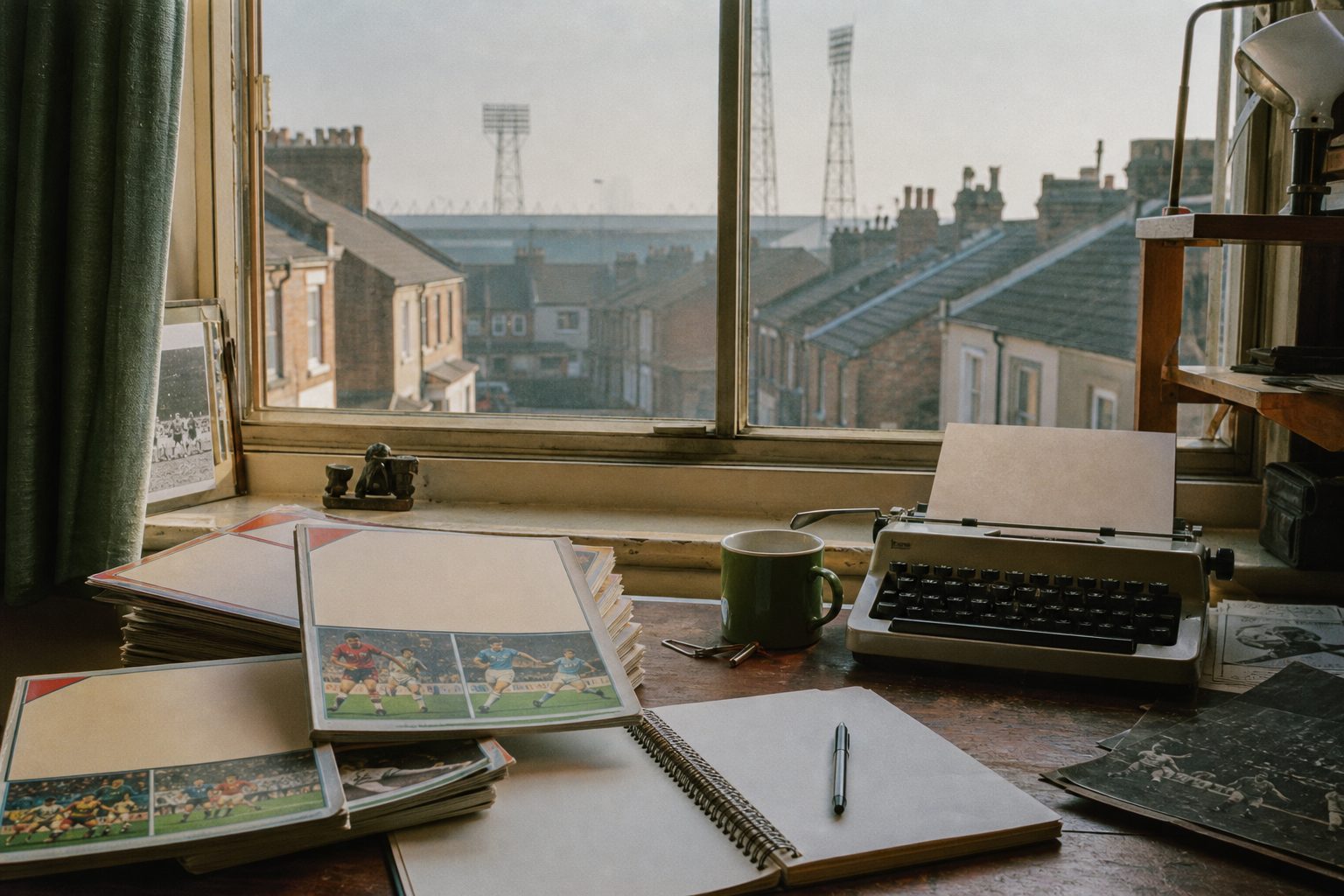
The experience behind this platform includes writing for a series of well-regarded newspapers in north London, and possessing an extensive collection of Football Picture Story Monthly issues. Recognition from notable figures in football has been a highlight, underlining the credibility and insight offered here.
For those interested in further discussion or more information, Three Match Ban is open to conversations via email or Twitter, especially about football literature and moments that have shaped the game.
What Three Match Ban covers
Three Match Ban began in 2009 as a football blog about the weekend's talking points and grew into a home for football nostalgia. The writing covers the game from the 1970s to today, with a particular fondness for the details supporters remember long after the results are forgotten: stickers, shirts, club crests, television shows and the players who meant more to a terrace than their statistics suggest.
The articles range from the birth of professional football in Darwen to guides to the 2011 Copa América, reviews of television studios and the farewell to Ceefax. The player profiles tell the stories of cult heroes such as Steve Ogrizovic, Julian Dicks and Brian Kilcline, and the club badge histories follow each crest through every redesign.
Quizzes, clips and away days
The football quizzes ask readers to name the player on a classic sticker, the club behind a shirt or the footballer behind a list of transfers. They are free, need no sign-up and check every answer in the browser. The video section explains old adverts, season reviews and television clips, and the away fans pub guides help visiting supporters find a friendly pub near the ground.
How the content is kept accurate
Older pieces were written in the moment, so time-bound articles have been revised with what happened next, such as the winner of a title race or the later career of a young player. Facts that can be checked, including dates, clubs, caps and fees, are checked against reliable sources, and stories that grew in the retelling are presented as such. Corrections are always welcome through the contact page.
Where the facts come from
Dates, transfers and appearances are checked against club histories, football yearbooks, newspaper match reports and the statistical records kept by the leagues. Kit and crest details lean on the clubs' own heritage pages and on specialist kit archives, and sticker years are matched to the albums they came from. Where two sources disagree, the page says so rather than quietly picking one.
Pictures
Older photographs, scans and stickers come from the Three Match Ban picture library and are credited in their captions. Some newer illustrations are AI-generated: they are labelled on the image, in the caption and in the alt text, and never show real, identifiable people or club crests. The page about our images explains the labelling in full.
Who the site is for
Three Match Ban is written for supporters of every club, from the Premier League to non-league. Some readers arrive looking for a single fact, such as the year a crest changed or the club a forgotten striker joined next. Others come for the quizzes and stay for the stories behind the faces. Either way, the aim is the same: to make the details of the game's past easy to find and enjoyable to read, without paywalls, sign-ups or tracking.
The site is independent and has no connection to any club, league or governing body. Club names and crests are discussed for their history, and the opinions in the articles are those of their writers.
Recognition
In 2010 the Guardian named Three Match Ban among the top 100 football blogs to follow in 2011. More than fifteen years later the aim is unchanged: football writing that remembers why so many people fell in love with the game in the first place, and still care about it today.