 ThreeMatchBan


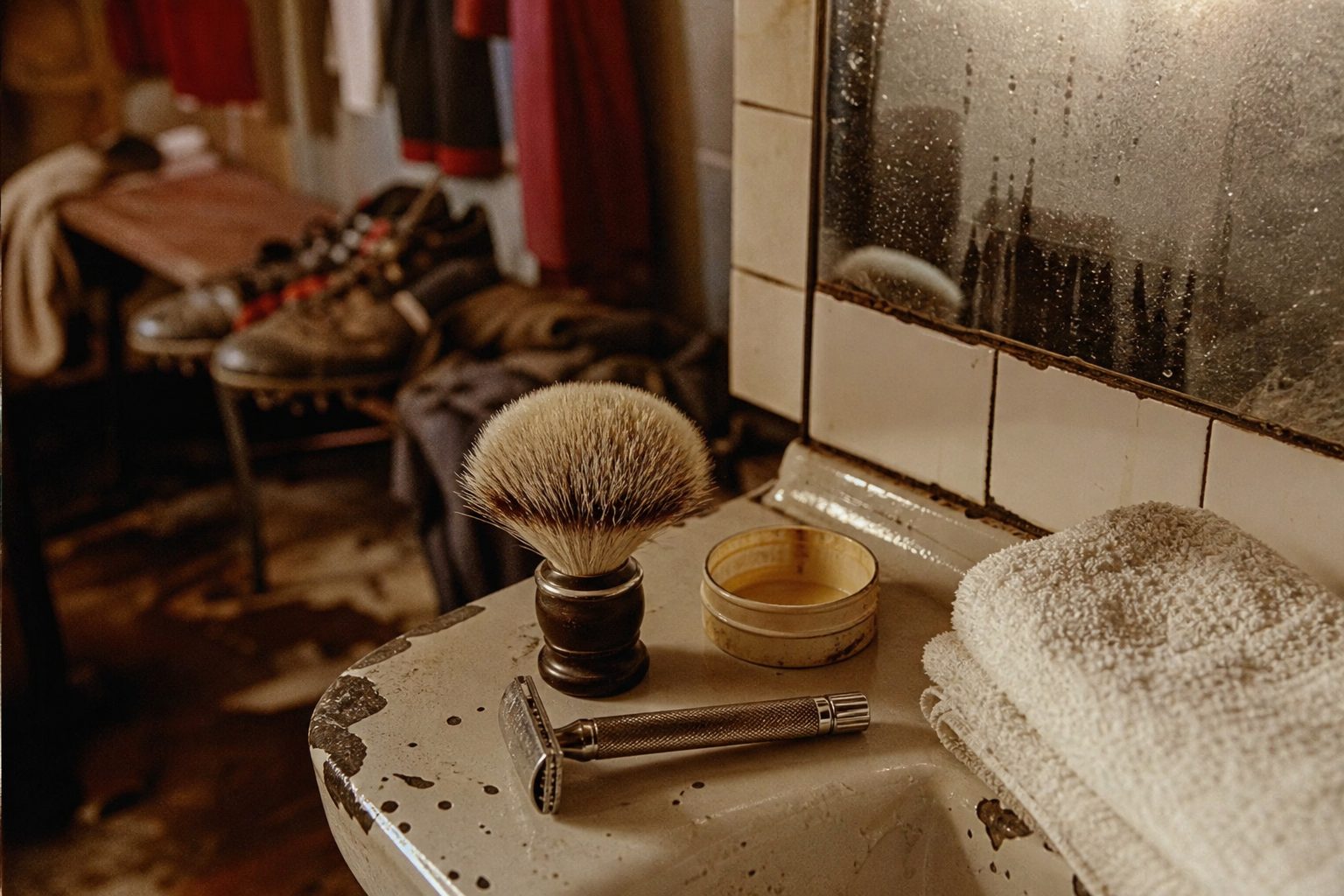
Modern footballers are image conscious and media savvy. They arrive at the training ground looking like aftershave models, talk in careful clichés and treat their faces as part of a brand. It was not always like that. Before the money poured into the game, players wore their rough edges proudly, and nowhere more obviously than on their chins and upper lips.
Thirty-six classic football players are waiting below, each sporting an impressive array of facial fuzz on a classic album sticker. Some trimmed theirs with military precision. Others simply stopped shaving one summer and never started again.
The golden age of the footballer's moustache
The 1970s and 1980s were the high point. Facial hair was everywhere in popular culture, from television detectives to rock bands, and footballers followed with enthusiasm. A thick moustache said experience and authority. A full beard said a man who did not care what the manager thought, which was frequently true.
Centre-halves favoured the bushy look, possibly because it made them seem more intimidating at corners. Goalkeepers liked a neat moustache. Midfield artists on the continent went for the full romantic beard, matched with hair down to the shoulders, and a few strikers managed the rare combination of a perm, sideburns and a moustache all at once.
The fashion crossed borders with ease. South American defenders, Eastern European playmakers and English lower-league stalwarts all reached the same razor-free conclusion, and the World Cups of 1978 and 1982 were full of squads that looked like they had come straight from a folk festival. Nobody minded. It was simply how grown men looked.
Sticker photographers captured all of it. Shot in harsh studio light, often at a pre-season photocall with no mirror in sight, the portraits froze each player at his hairiest. Decades later the effect is a kind of disguise. A player you could recognise instantly from his running style might be unrecognisable behind a 1979 beard.
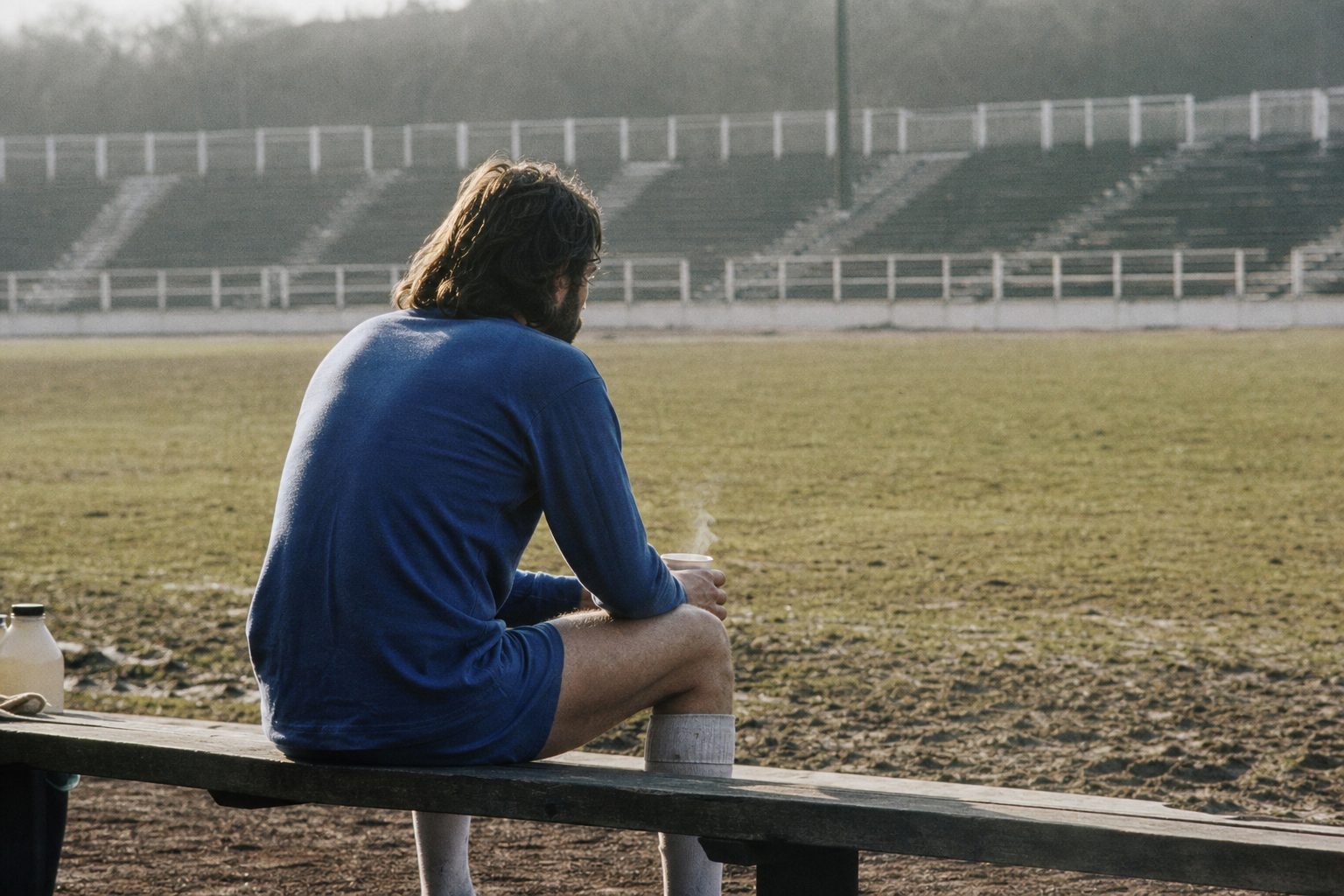
Why the beards disappeared, and why they came back
By the early 1990s the clean-shaven look had taken over. Football was becoming television entertainment, sponsors wanted friendly faces, and the moustache started to look like something from a father's wedding photographs. For roughly fifteen years, a footballer with serious facial hair was a novelty.
The beard eventually returned in a different form: sculpted, oiled and trimmed by a personal barber. It is a long way from the untamed growth on show here, which belonged to an era when players drove themselves to training and drank in the same pubs as the supporters.
In 2013 the quiz came with a competition, and a perfect score won a prize from the quiz's sponsor at the time. That draw closed long ago, but the beards are still here to be named.
How to play
Type the player's name into the answer box below each sticker. A correct answer turns the box green and the score counter goes up by one, so you can see your running total as you work down the list. There is no sign-up and no time limit.
Use full names, first name and surname, as they would appear on the back of a sticker. Spelling matters, so check the trickier continental names before giving up on them.
If the faces start to blur together, the original guess the player quiz is built on the same idea of hair hiding a famous face, the stars of English football sticker quiz stays closer to home, and the FA Cup finalists sticker quiz goes back to Wembley afternoons. Know someone who once grew a moustache in honour of a centre-half? Tweet this at them.
Bonus point, unofficial and unscored, for anyone who can say which of the thirty-six kept his facial hair into retirement.