 ThreeMatchBan
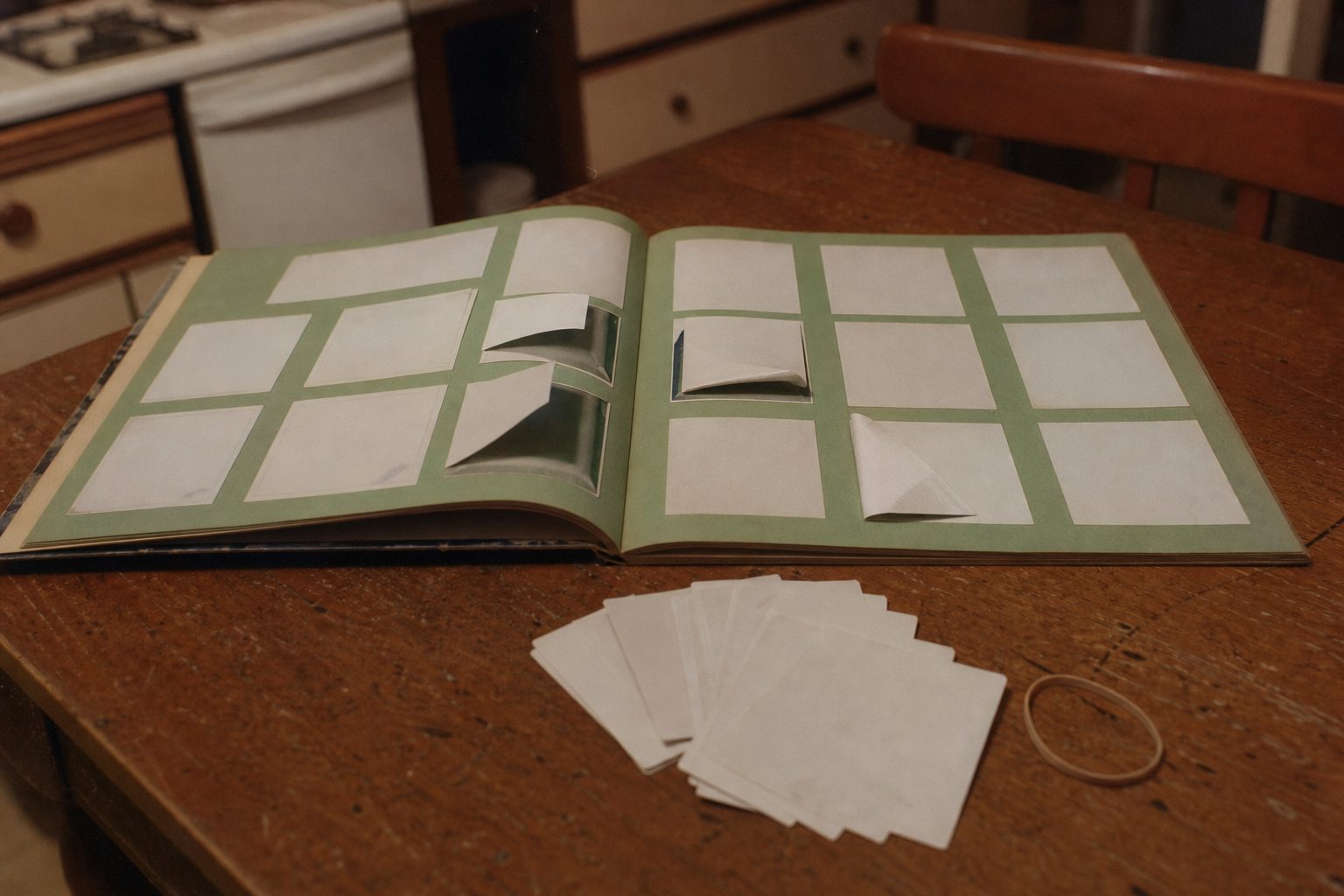
The football sticker is a strange little object. A postage-stamp portrait of a grown man, usually taken against a plain backdrop on a photo day he did not want to attend, it has become one of the most powerful memory triggers the game has. Ask anyone who filled an album as a child and they can still picture a particular moustache, a particular perm, the shiny badge they spent three weeks trying to find. The sticker quizzes are built on exactly that memory: a classic portrait, a blank box and the question of whether the name still comes back.
From Modena to every playground in Britain
The modern sticker craze began in Modena in northern Italy, where the Panini brothers started selling collectable figurines in the early 1960s. Their first World Cup album appeared for Mexico 1970, and every tournament since has come with its own book of empty spaces. In Britain the market grew crowded through the 1980s and 1990s, with rival publishers fighting over league licences, and Merlin's Premier League albums became a fixture of the newsagent's counter for a generation of collectors.
The ritual barely changed. Buy a packet. Tear it open on the walk home. Sort the swaps into a stack held together by an elastic band. Then take the stack into school, where the playground ran its own economy of "got, got, need", and a missing goalkeeper could be worth five or six ordinary midfielders.
That ritual is why sticker portraits stick. They were studied, handled and traded in a way that television highlights never were.
How the sticker quizzes work
Each quiz shows a set of classic sticker portraits, with an empty answer box beside every one. Type the player's name into the box. Full names work best: the answer should be the name the player was known by in his playing days, spelled in full, and for clubs or teams the full title is wanted ("Queens Park Rangers", not "QPR"). Get it right and the box turns green, while the score at the top of the quiz counts up so it is easy to see how far through the set the memory has carried.
There is no time limit and no penalty for a wrong guess, so the best approach is to work through the easy ones first and come back to the faces that seem familiar but refuse to give up a name. Haircuts help. So do the kits, the photo backdrops and the slightly startled expressions that seem to have been compulsory on photo day in the 1980s.
Which quiz to try first
The quizzes range from household names to the deliberately obscure. Some lean on international football, where the faces were only ever seen every four years in a tournament album. Others focus on the English game: foreign imports from the early Premier League era, FA Cup finalists, managers caught on the touchline. A few are built around a theme rather than a competition, such as players whose facial hair made them almost unrecognisable once the photographer had done his work.
The hardest part is usually not the superstar on the first sticker but the squad player on the twentieth, the defender who was in every album for four seasons and never once did anything memorable on the pitch. Those are the ones that sort out the real collectors from the casual ones.
More on the football sticker quiz
Nine quizzes carry this tag, and a good one to start with is guess the star of world football from their classic football sticker, 33 great players from beyond the English game, with Pelé and Diego Maradona among the names to find. For the British players who chanced their arm overseas, try guess the Brit abroad from their classic sticker. Imports who arrived after 1992 are the subject of the foreign Premier League star quiz, which ranges from title winners to relegation battlers. The men in the dugout get their own set in guess the manager from their classic football sticker. And for the story behind the obsession, the essay on a lifelong love of football stickers explains how albums once did the job that search engines do now, with a bookcase full of old Panini, Merlin and Pro Set collections to prove it.