 ThreeMatchBan


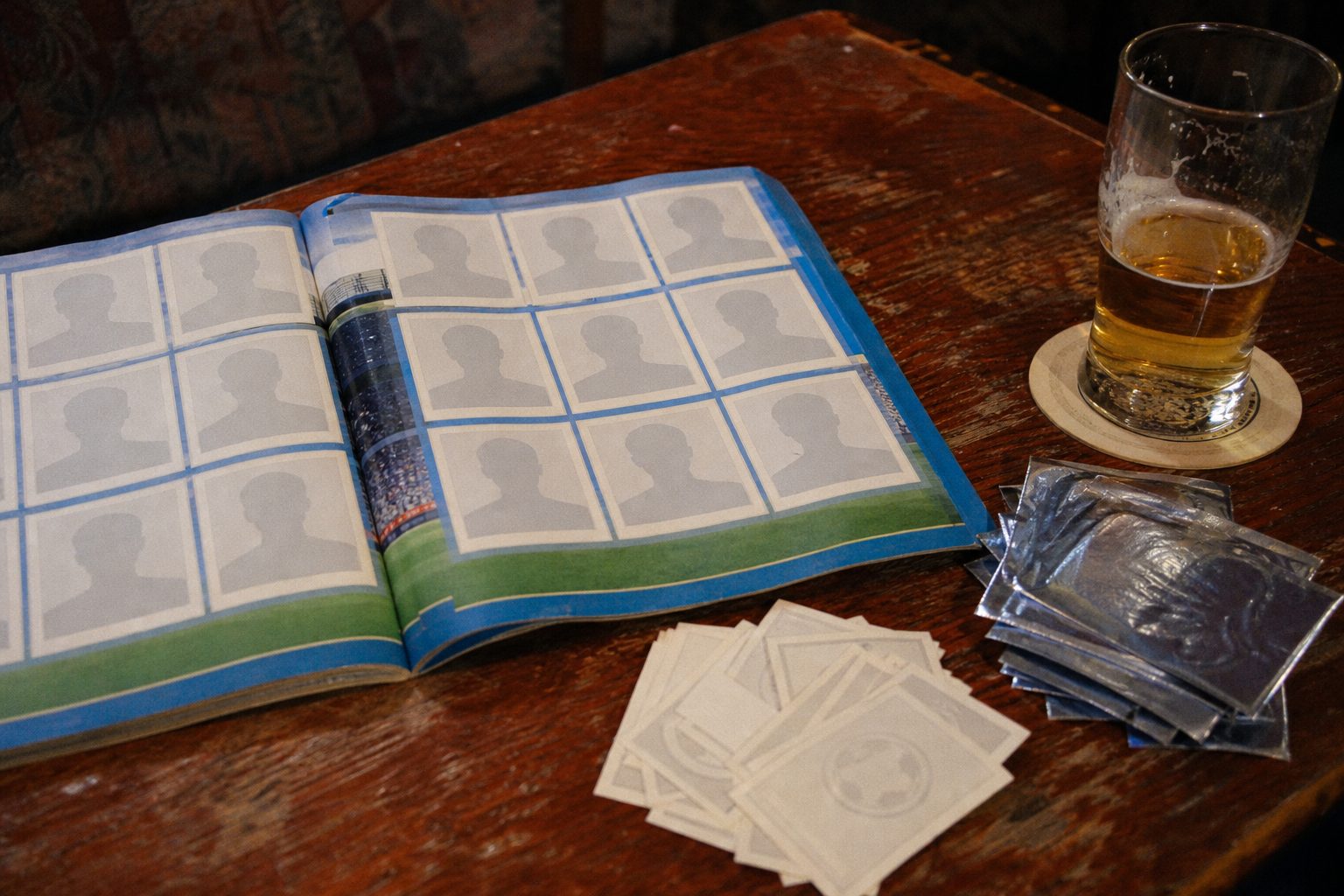
When English football swapped the old First Division for the glossy new Premier League in 1992–93, the money began to rise and the doors began to open. Footballers of world-class ability and reputation arrived from across the globe, along with a fair number of considerably less importance, and the league has never looked back.
The 35 faces below are players and managers from overseas who left their mark on the English game in some way. Some won championships. Others spent a season fighting relegation and then disappeared. There are household names here, alongside players consigned to the darkest corner of the memory, and more than one haircut that deserves its own chapter.
Before the flood
Foreign players were a rarity in the English top flight for most of the twentieth century. When Tottenham signed Ossie Ardiles and Ricky Villa straight after Argentina won the 1978 World Cup, it was treated as a sensation, and Ipswich Town's Dutch pair of Arnold Mühren and Frans Thijssen were still unusual enough to be a talking point when Bobby Robson's side won the UEFA Cup in 1981.
Work permit rules, quotas on foreign players in European competition and a general suspicion of anyone who had not served an apprenticeship in the rain all kept numbers low. The Premier League changed the economics. Television money made English clubs rich enough to compete for players with Italy and Spain, and the league's first seasons brought a steady stream of arrivals who had already played at World Cups and European Championships.
Bosman and the open door
The real turning point came in December 1995, when the European Court of Justice ruled in favour of the Belgian midfielder Jean-Marc Bosman. Players at the end of their contracts could move freely within the European Union, and limits on the number of EU players a club could field were swept away. Within a few years a squad full of internationals from four or five countries was normal rather than exotic.
By Boxing Day 1999 Chelsea were able to name a starting eleven without a single British or Irish player for the match at Southampton. It caused a minor storm at the time. Today it would not even be noticed.
Managers followed the players. Arsène Wenger arrived at Arsenal in 1996, was greeted with widespread puzzlement, and within two seasons had won the league and FA Cup double. After that, a foreign coach in an English dugout stopped being a novelty and became the default at the top end of the table.
Faces from the sticker album
The stickers in this quiz come from that first wave and the years that followed, when every new import got a square of glossy paper and a slightly startled portrait taken on a pre-season photo day. Studio lighting was harsh, hair was ambitious and nobody had yet been told to smile for the camera. That is half the difficulty. A familiar player can look like a complete stranger at 22, in a different club's colours, with a perm.
Those who enjoy this one will find the same mix of glory and obscurity in the world football sticker quiz, while the stars of English football sticker quiz sticks to the domestic game. For the full story of why stickers matter so much, see a love letter to football stickers. And the list of World Cup finalists who played in the Premier League shows how quickly the league's reach grew.
How to play
Type your answer in the box under each sticker. There is no sign-up and nothing to submit: when the name is right, the box turns green and the score counter goes up.
Use full names, first name and surname, the way the quiz expects "Queens Park Rangers" rather than "QPR" for a club. Accents are a common stumbling block, so if a box stays white, try the name without them and check the spelling letter by letter.
The quiz first ran in association with the price comparison site idealo.co.uk; these days the only reward on offer is the satisfaction of knowing your onions and your spelling. Anyone who gets all 35 can pass it on with a Tweet and let a friend discover how hard sticker number one really is.