 ThreeMatchBan
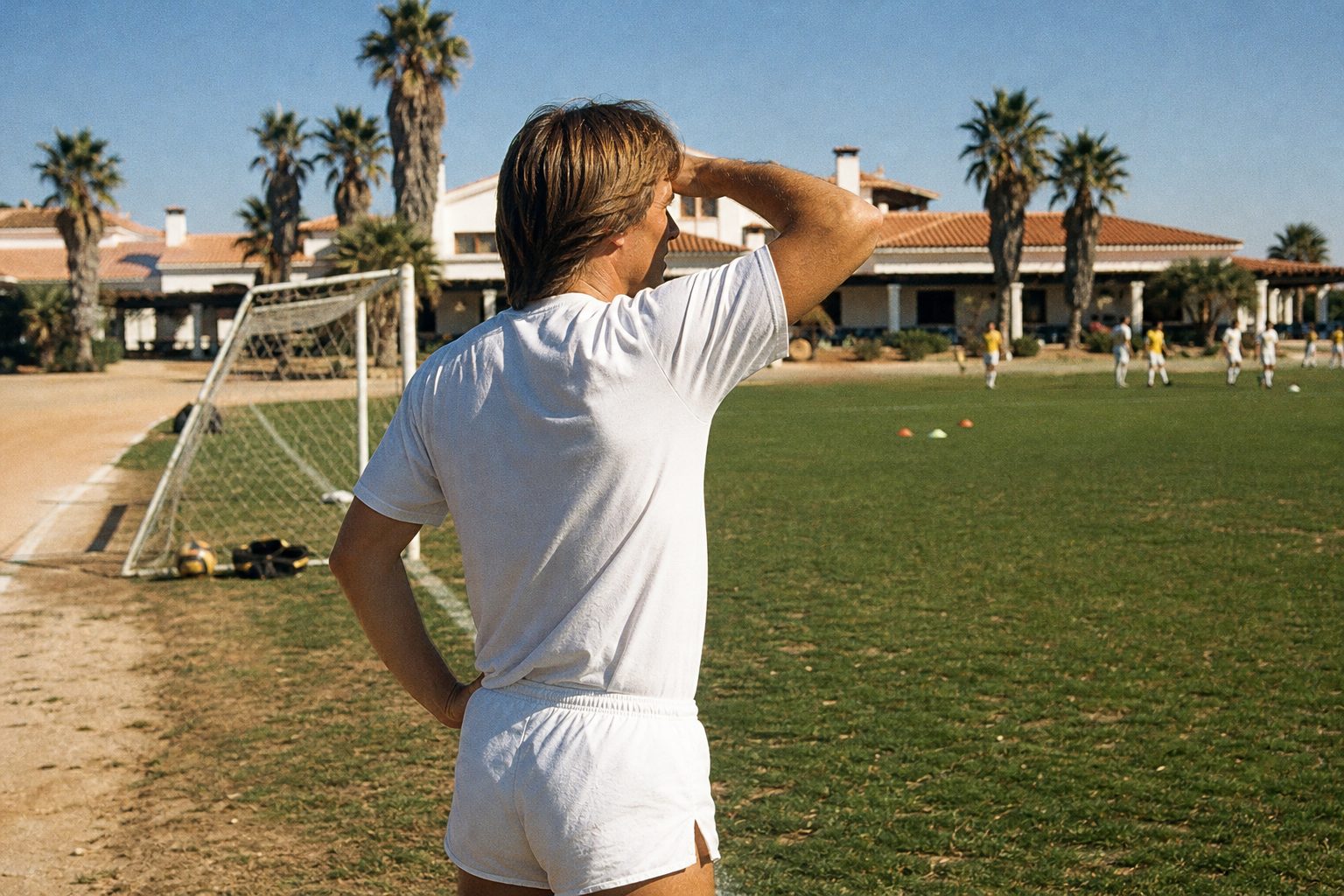
The stereotype of the Brit abroad is not a flattering one: patriotic swimming shorts, sunburn by lunchtime and a stubborn refusal to try the local food. Footballers have generally been even more reluctant travellers. For most of the game's history, British players and managers saw little reason to leave a domestic league that paid well and spoke their language.
Some did go, though, and a few went on to win things. Here are 33 of those pioneers, of varying fame and varying success, in a quiz that tests both the memory and a working knowledge of transfers that stretched beyond the English Channel.
The first to leave
The template was set by John Charles, the Welsh centre-forward and centre-half who left Leeds United for Juventus in 1957. He became a hero in Turin, won Serie A titles and earned the nickname Il Gigante Buono, the gentle giant. For decades afterwards, any British player who moved to Italy was measured against him and most fell short.
The early 1960s brought a brief rush of British forwards to Serie A, several of whom came home within a season, homesick and baffled by training camps, curfews and defensive football. The lesson most clubs drew was that British players did not travel well. It took a generation to unlearn it.
Why the 1980s changed things
After the Heysel disaster in 1985, English clubs were banned from European competition for five years. Ambitious players who wanted to test themselves against the best had a simple choice: wait, or go. A wave of moves to Italy, Spain, France and Germany followed, and through the late 1980s and early 1990s it was briefly normal to see British internationals in the colours of continental clubs on the television.
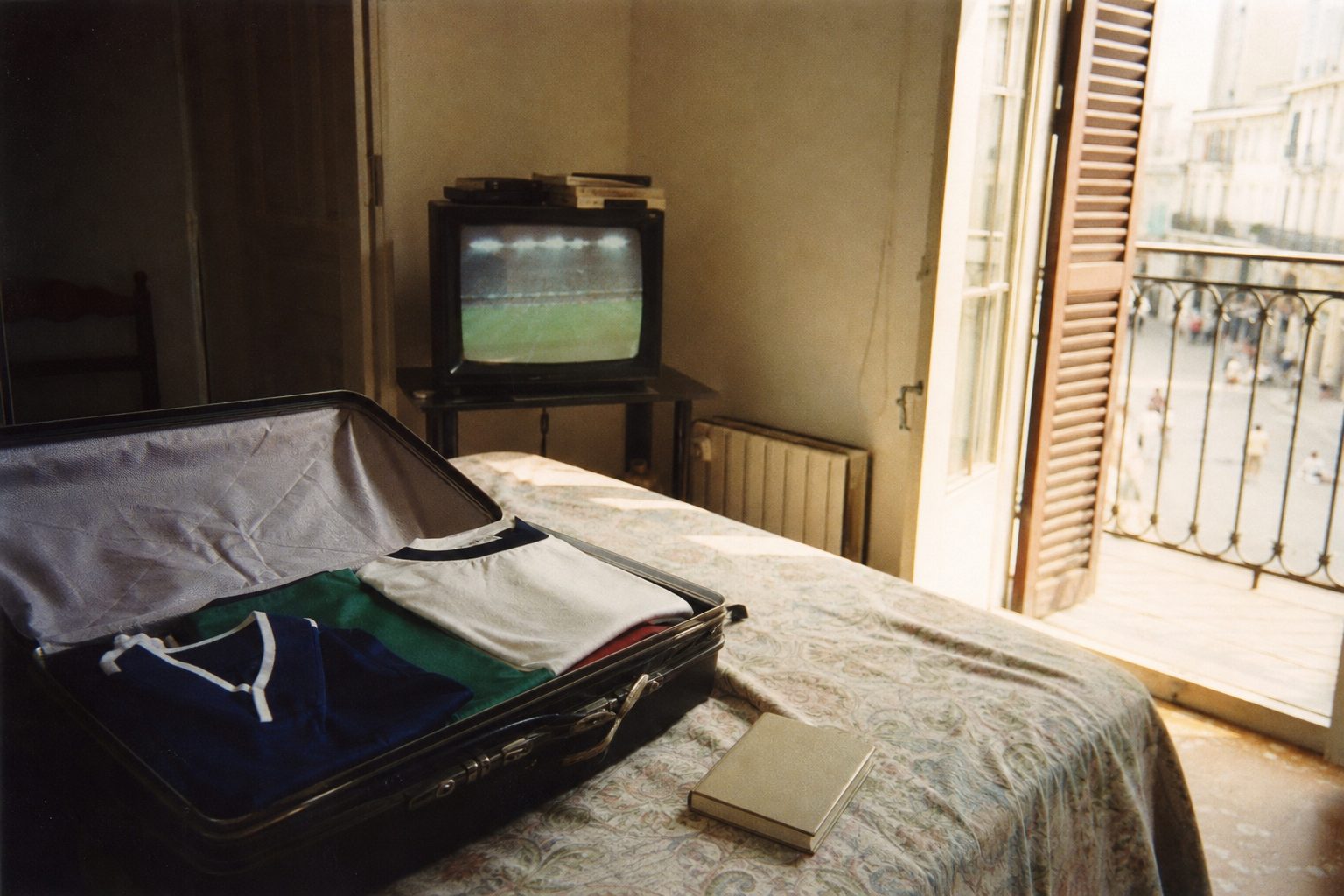
The money helped. Serie A was the richest league in the world at the time, and from 1992 Channel 4's Football Italia brought it into British living rooms every weekend, turning a handful of exports into Sunday afternoon fixtures. Managers travelled too, taking jobs in Portugal, Spain and the Netherlands and coming home with ideas about diet, tactics and training that English football was slow to adopt.
Not every move worked. Some players spent a single season on the bench, learned three words of the language and came home. Others stayed for years, married locally and still return as honoured guests.
A shrinking club
Once the Premier League became the richest competition in the world, the traffic reversed. Fewer British players had any financial reason to leave, and those who did were often at the end of their careers, heading to the United States or the Gulf. The handful who moved abroad in their prime became news simply for going. For the opposite flow, the Premier League imports sticker quiz collects the overseas players who came the other way.
The stickers below come from those foreign albums and from home, and some of the faces will look strangely out of place in an unfamiliar kit. That is the point. Anyone who enjoys following a career across borders should also try the transfer history quiz, while the manager sticker quiz picks up several men who learned the trade overseas. And for what can go wrong when supporters rather than players travel, read supporting your team abroad.
How to play
Type your answer in the box under each sticker. There is no sign-up: when the name is right, the box turns green and the score counter goes up.
Use full names, first name and surname, as the club quizzes expect "Queens Park Rangers" rather than "QPR". Spell carefully. A familiar face in a foreign club's shirt is surprisingly easy to miss, and the managers are just as tricky as the footballers.