 ThreeMatchBan
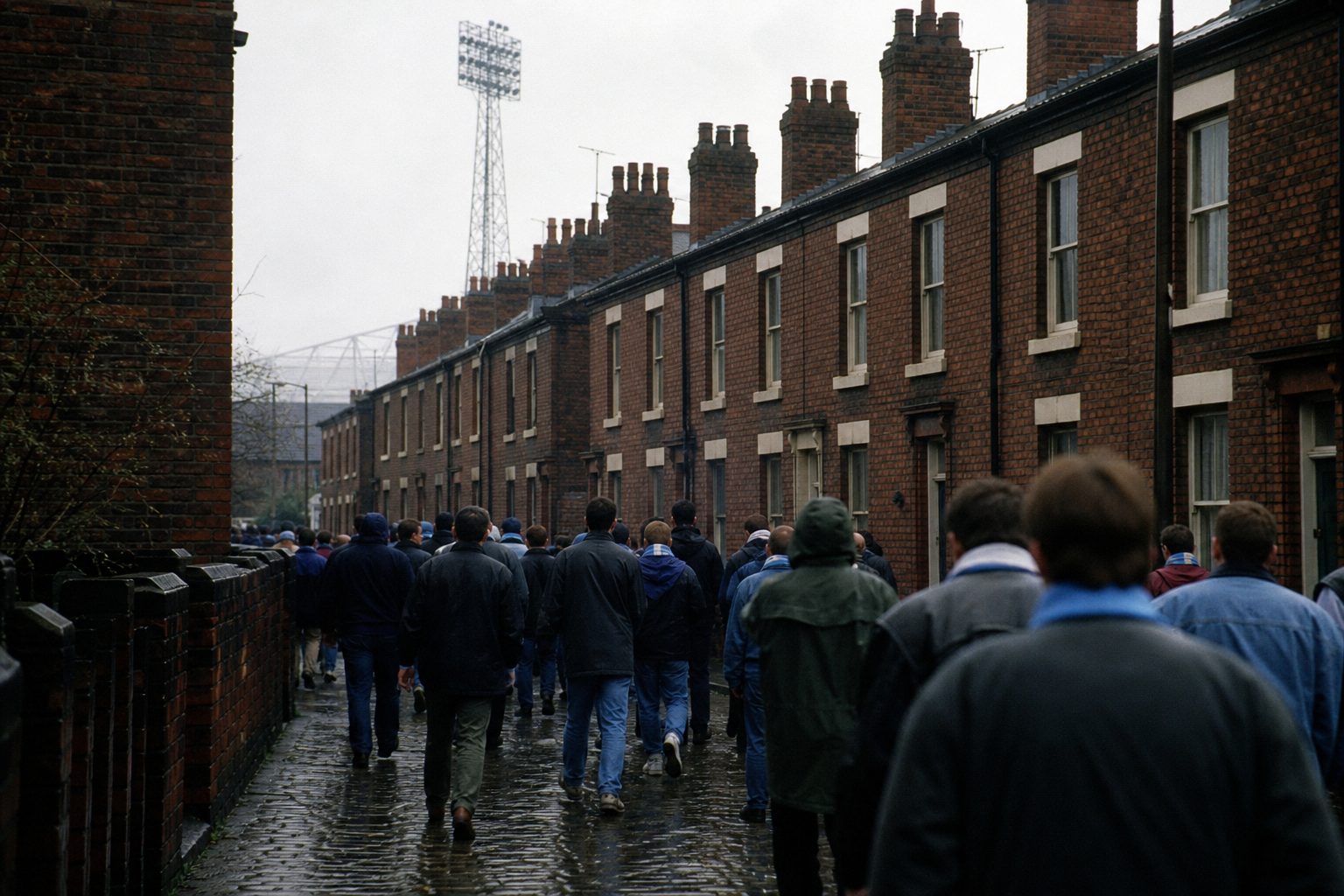
Manchester City have a history of extremes. The club began in 1880 as St Mark's (West Gorton), a church side, became Ardwick and then Manchester City in 1894, and won the FA Cup for the first time in 1904. Since then City have been champions of England, members of the third tier, Cup Winners' Cup winners and, in 2023, holders of a treble that only one other English club had managed.
Maine Road and the Mercer years
From 1923 City played at Maine Road in Moss Side, a ground that once drew the biggest crowds in English club football. The great side of the late 1960s, managed by Joe Mercer with Malcolm Allison coaching, won the league in 1968, the FA Cup in 1969, and both the League Cup and the European Cup Winners' Cup in 1970. Colin Bell, Francis Lee and Mike Summerbee were the stars, and supporters of a certain age still regard that team as the purest City ever produced.
The decades that followed were less kind. City lost the 1981 FA Cup final replay to Tottenham, dropped out of the top flight more than once and, in 1998, fell into the third tier for the first time.
The way out was pure melodrama. In the 1999 Second Division play-off final at Wembley, City trailed Gillingham 2–0 in the 90th minute, scored twice through Kevin Horlock and Paul Dickov, and won on penalties.
Kinkladze, cult heroes and the long wait
For many supporters the defining player of the 1990s was Georgi Kinkladze, the Georgian playmaker who dribbled past half a team against Southampton in 1996 while the side around him was being relegated. City fans adored him precisely because nothing else was going right. Shaun Goater, Uwe Rösler and Nicky Weaver all earned similar devotion in leaner years.
The club moved to the City of Manchester Stadium, built for the 2002 Commonwealth Games, in 2003. In 2008 the Abu Dhabi United Group bought the club, and on deadline day that September City signed Robinho from Real Madrid for a British record fee. That transfer history has become one of the most debated in the sport.
Agüero, Guardiola and the modern era
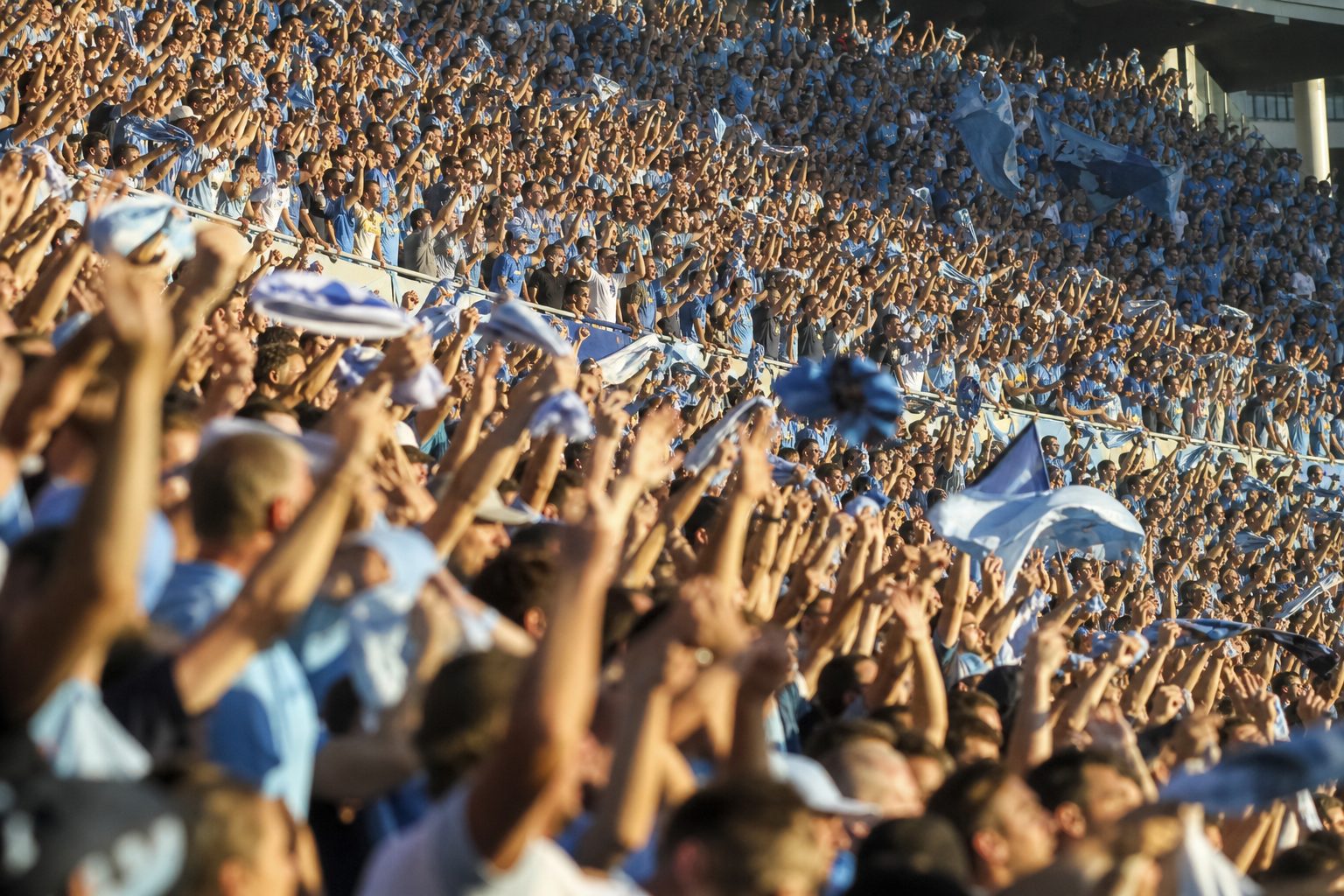
On the final day of 2011–12 City trailed Queens Park Rangers 2–1 going into stoppage time. Edin Džeko equalised, and Sergio Agüero's winner at 93 minutes 20 seconds gave the club its first league title since 1968, on goal difference ahead of Manchester United. It remains the most replayed moment in Premier League history.
Pep Guardiola arrived in 2016. His side reached 100 points in 2017–18, won the treble of league, FA Cup and Champions League in 2022–23, beating Inter 1–0 in Istanbul, and in 2024 became the first team to win four consecutive English titles. The club's spending and its long-running dispute with the Premier League over financial rules have made City the most argued-about club in the country.
Nobody in Moss Side in 1998 saw any of this coming.
More on Manchester City
The eagle, the ship and the red rose all have their place in the history of the Manchester City badge. Before the 2011 FA Cup semi-final against United, the Manchester derby in statistics laid out the cold numbers behind the rivalry. A year later a look at the Premier League title race had City two points clear of United with Tottenham trailing.
The 2012 finale ties City to Loftus Road for good, and the QPR hub covers the other side of that afternoon. Own goals of every variety feature in a celebration of the other goal, and a tabloid round-up from May 2011 covers City's game with Spurs as United closed on the title.
Quiz players can try the Premier League goalscorer GIF quiz and the Brit abroad sticker quiz, both of which include City players among the answers.