 ThreeMatchBan
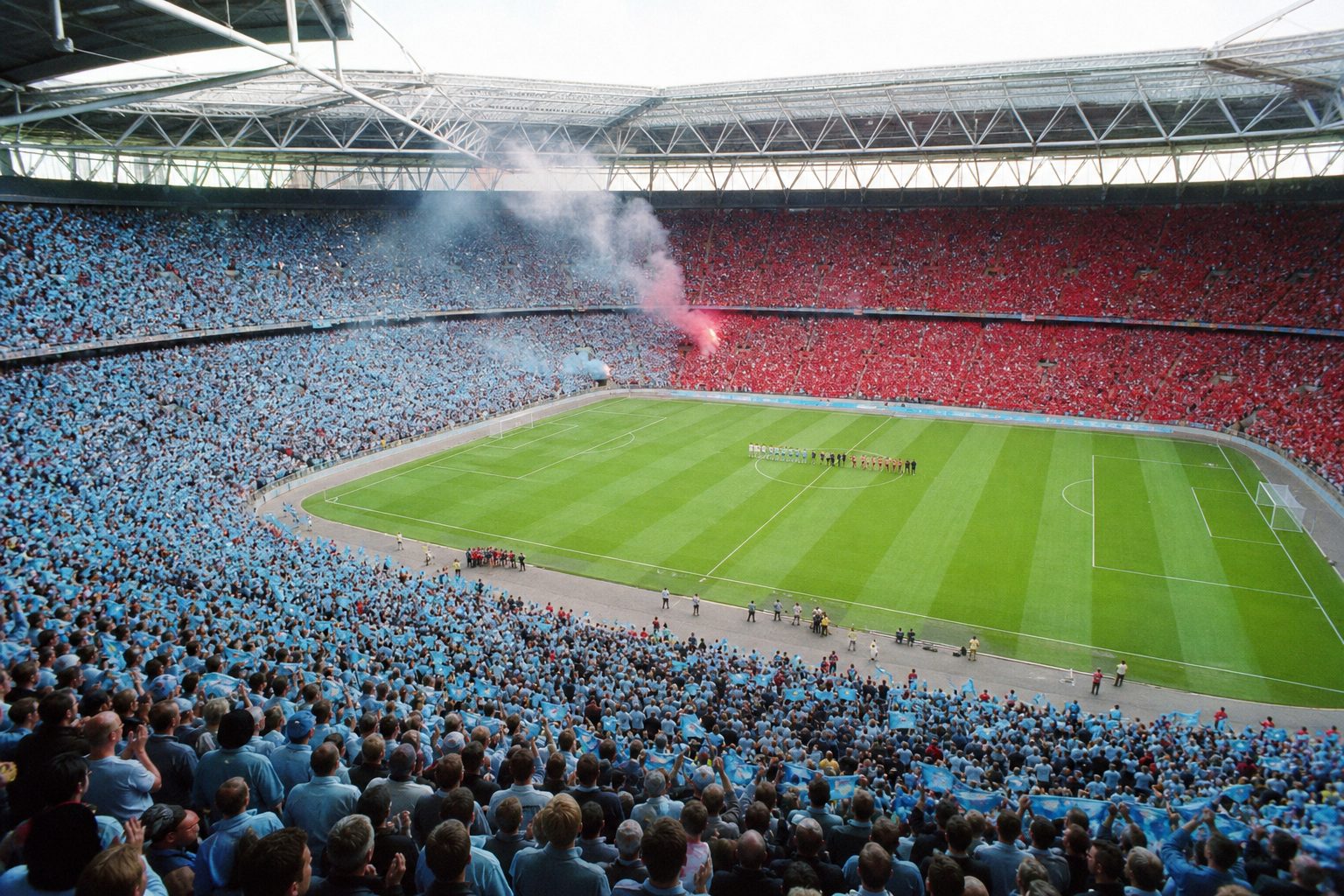
So much has been written about meetings between Manchester's two clubs that another essay on passion, pride and bragging rights would only add to the pile. Before the FA Cup semi-final of 16 April 2011, the more useful exercise was to set out the derby in cold, hard facts.
The form guide before Wembley
The numbers going into the tie told an odd story. City had won none of their previous ten matches away from Eastlands, so the neutral setting of Wembley was not obviously a help. United, by contrast, had failed to score in only five of their 49 matches that season.
According to Soccerbase, the two sides had met 157 times. United had won 65 of those games, City 42, and the remaining 50 had been drawn.
The FA Cup had produced only six meetings in history, with United winning four and City two. Wayne Rooney, meanwhile, had the best minutes-per-assist rate in that season's Premier League, setting up a goal every 161 minutes according to Opta.
The previous FA Cup derby had come seven years earlier, in the fifth round in February 2004. United won 4–2: Paul Scholes opened the scoring, Ruud van Nistelrooy added two and Cristiano Ronaldo got the other. They managed it with ten men for more than half the game after Gary Neville was sent off.
Cup history, from 1904 to 1987
Alex Ferguson's first meeting with his neighbours came in an FA Cup third-round tie in January 1987, a 1–0 win for United settled by a second-half goal from Norman Whiteside. United went out in the next round, and City were relegated to the old Second Division at the end of the season.
In January 1970 another cup derby went United's way, 3–0, with Brian Kidd scoring twice and Willie Morgan adding the third. Four decades later Kidd was assistant manager at City, which says something about how tangled the rivalry can be.
For their last cup win over United before 2011, City supporters had to go back to January 1955, when Joe Hayes and Don Revie, the future Leeds and England manager, scored in a 2–0 victory. City lost the final to Newcastle that year but returned twelve months later to beat Birmingham City 3–1.
The 1926 semi-final, played at Bramall Lane in Sheffield, was the only previous meeting at that stage. City won 3–0, with Tommy Browell scoring twice inside the first half-hour. That year offered another parallel with 2011: City lost the final to Bolton, who in 2011 were contesting the other semi-final against Stoke. The 1925–26 season was a strange one for City. They thrashed United 6–1 in the league and reached Wembley, yet were relegated.
Going into the 2011 semi, United had won the FA Cup 11 times, most recently in 2004. City had won it four times, the last in 1969. City, though, were the first Manchester club to lift the trophy, beating Bolton in the 1904 final.
Records, scorers and players who crossed the divide
Ryan Giggs had made the most derby appearances by 2011, with 34. City's biggest win came on 23 January 1926, the 6–1 at Old Trafford. United's biggest was much more recent: a 5–0 win at Old Trafford on 10 November 1994, with Andrei Kanchelskis scoring a hat-trick.
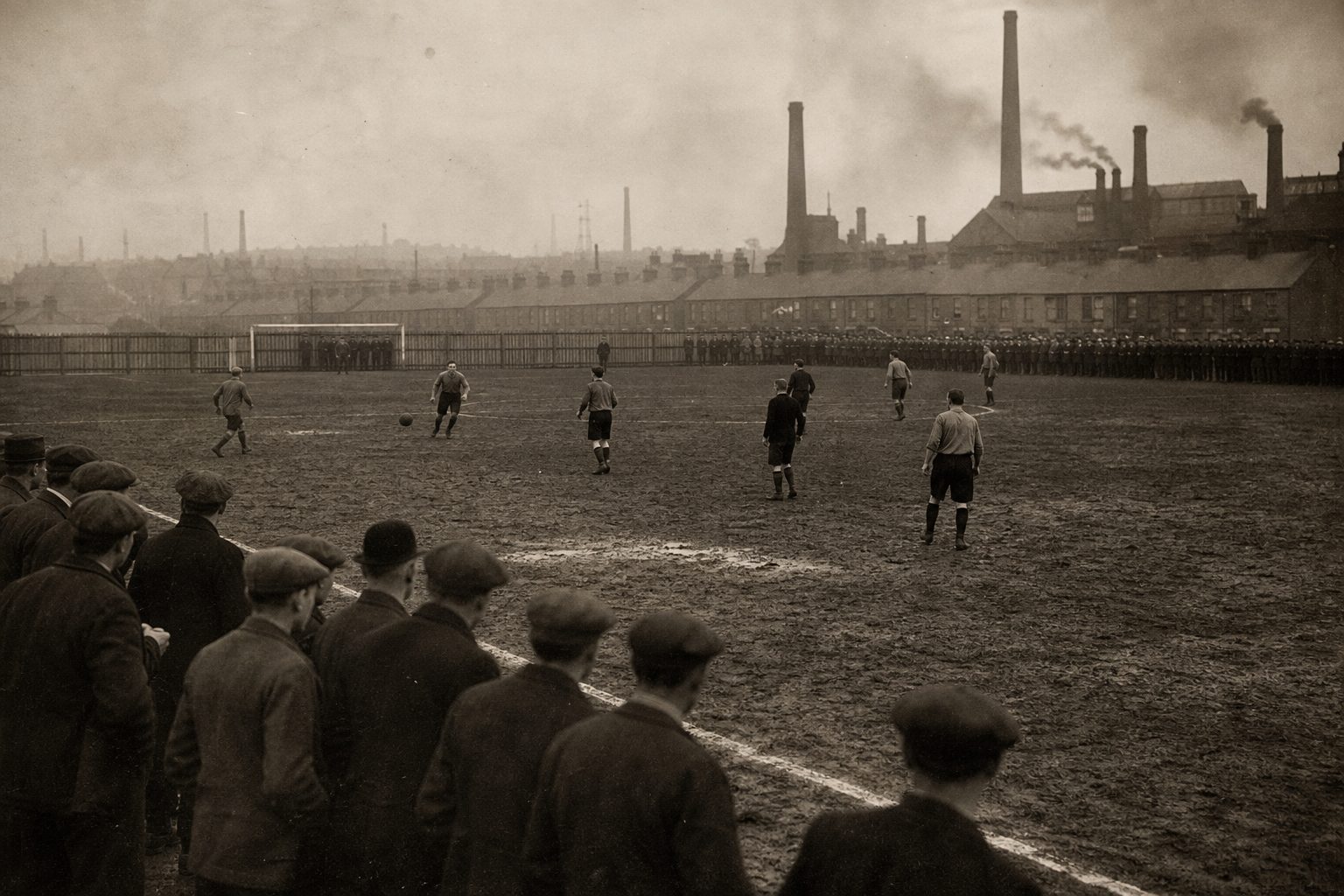
The rivalry goes back to 12 November 1881, when West Gorton, the club that became Manchester City, played Newton Heath, the forerunners of Manchester United. Newton Heath won 3–0, according to Gary James's history Manchester: The Greatest City.
Early meetings were cup ties and friendlies. Both clubs joined the Football League in 1892, Newton Heath going into the First Division and Ardwick, who became Manchester City in 1894, into the new Second Division. The first league derby came in 1894–95, Newton Heath winning 5–2 at Hyde Road, and the first top-flight meeting arrived in December 1906, a 3–0 win for City.
Joe Hayes and Francis Lee share City's record for derby goals, with ten each. Bobby Charlton leads United's list with nine.
Plenty of players have worn both shirts, most famously Denis Law, Peter Schmeichel, Andy Cole and, at the time, Carlos Tévez. Only one manager has taken charge of both clubs: Ernest Mangnall, in charge of United from 1903 to 1912 and City from 1912 to 1924. The evolution of each club's crest over that long history is set out in the Manchester City badge history and the Manchester United badge history.
Trautmann, and what happened at Wembley
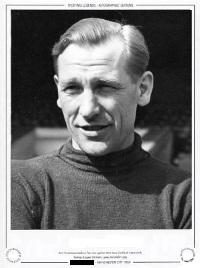
Any player tempted to duck a tackle in a derby should remember Bert Trautmann. In the 1956 final against Birmingham, the former German paratrooper and prisoner of war broke a bone in his neck diving at an opponent's feet, yet played on for the last 15 minutes to see City through to a 3–1 win. He even attended the banquet afterwards, unable to turn his head.
The 2011 semi-final belonged to City. Yaya Touré scored the only goal early in the second half, pouncing on a loose pass from Michael Carrick, and Paul Scholes was sent off late on. City then beat Stoke 1–0 in the final, Touré again the scorer, to win their first major trophy since 1976.
That afternoon changed the balance of the rivalry. City won the Premier League a year later, and the two clubs have since met in two FA Cup finals: City won in 2023 and United took revenge in 2024, both by 2–1. Title predictions from the years when both clubs chased the crown feature in top tips for the Premier League title.
Trautmann, for the record, did not have his injury properly diagnosed until days after the final.