 ThreeMatchBan
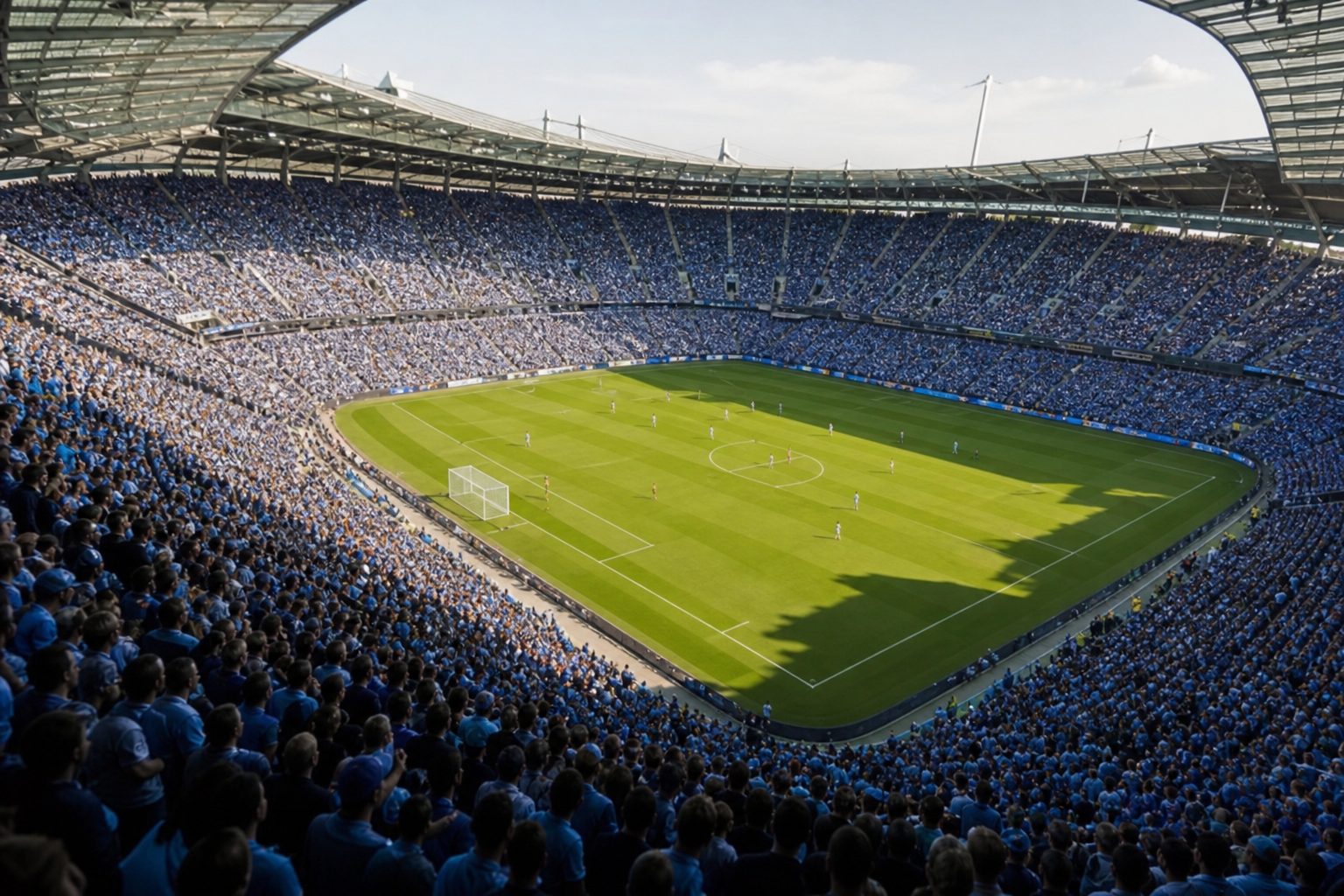
By the second week of March 2012 the Premier League had become a two-horse race. Manchester City led their neighbours United by two points, and Tottenham, in third, were 11 points behind the leaders. The prices on offer at bookmakers and casino sites reflected that gap between second and third almost exactly.
Looking back at those odds now is a reminder of how little anyone knew about what was coming.
What the odds said in March 2012
With 66 points, City were favourites at around 4/6. In plain terms, that meant a £6 stake would return £4 profit plus the stake if Roberto Mancini's side finished top. Short prices like that are typical for a favourite: the more likely the outcome, the smaller the reward.
United, on 64 points, were close to even money, with some firms offering 11/10. At that price, £10 would return £11 profit on top of the stake. For a side managed by Sir Alex Ferguson, with the experience of a dozen titles behind them, it looked generous.
Everyone else was a long shot. Spurs, the best of the rest under Harry Redknapp, were between 150/1 and 250/1. Fourth-placed Arsenal were around 400/1, and most traders had written them off completely.
The side markets: Van Persie and McLeish
The title is the biggest prize in the Premier League, but it was not the only market. Bookmakers also priced up the top scorer, the PFA Player of the Year and even the next manager to lose his job, a grim little sideline that has its own following, much like the Euro 2012 scoring race that summer.
Arsenal's Robin van Persie was favourite for both the Golden Boot and the PFA award. Aston Villa manager Alex McLeish was the odds-on favourite to be the next manager out, at 11/4. Villa supporters, who had never forgiven his move from Birmingham, would not have needed persuading, and the mood at Villa Park that spring was summed up by the sense of bad news piled on bad news.
Pundits from Gamblingplanet to ESPN agreed that it was a two-team race. Spurs had a slim outside chance, and the window was closing. City, the odds suggested, were the safer pick.
How the 2011–12 race actually ended
The next few weeks turned the market upside down. City stumbled, losing at Swansea and Arsenal and dropping points at Stoke and Sunderland, and by early April United were eight points clear with six games left. At that stage the 11/10 on United looked like the steal of the season.
Then United wobbled. They lost at Wigan and threw away a 4–2 lead at home to Everton in a 4–4 draw. On 30 April Vincent Kompany headed the only goal of the Manchester derby at the Etihad, and City went top on goal difference. The numbers behind that rivalry are laid out in the Manchester derby in statistics.
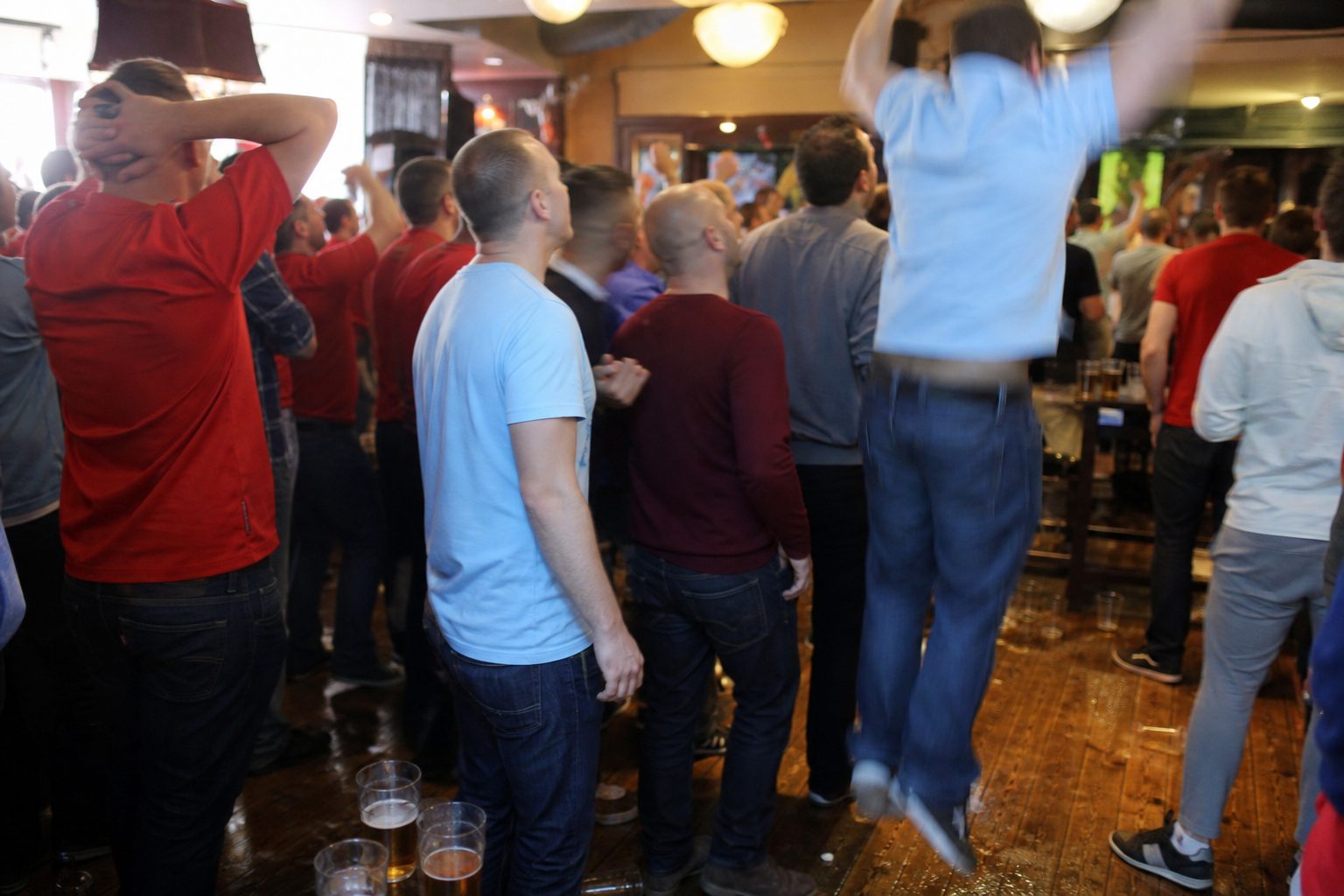
It came down to the final day, 13 May 2012. United won 1–0 at Sunderland. City, at home to a Queens Park Rangers side fighting relegation, were losing 2–1 going into stoppage time. Edin Džeko equalised. Then, with 93 minutes and 20 seconds on the clock, Sergio Agüero scored the goal that won City their first league title since 1968. Both teams finished on 89 points. City won it on goal difference.
The rest of the March predictions
Some of the other tips held up. Van Persie scored 30 league goals, won the Golden Boot and was named PFA Player of the Year, then joined United that summer and won the title with them a year later. McLeish was dismissed by Villa in May 2012 after a 16th-place finish.
Spurs, priced at up to 250/1 for the title, finished fourth and still missed out on the Champions League, because Chelsea, who finished sixth, won the competition in Munich and took the place. Arsenal, the 400/1 outsiders, came third.
The one certainty of March 2012 turned out to be the only thing anyone got right: it really was a two-team race, settled by a single goal in the final minute of the season. Everything in the club's modern era, right up to the round Manchester City badge introduced in 2016, came after that afternoon.
Ferguson's side were not finished either. In 2012–13 they took the title back by eleven points, the last of his 13 league championships before retirement.