 ThreeMatchBan
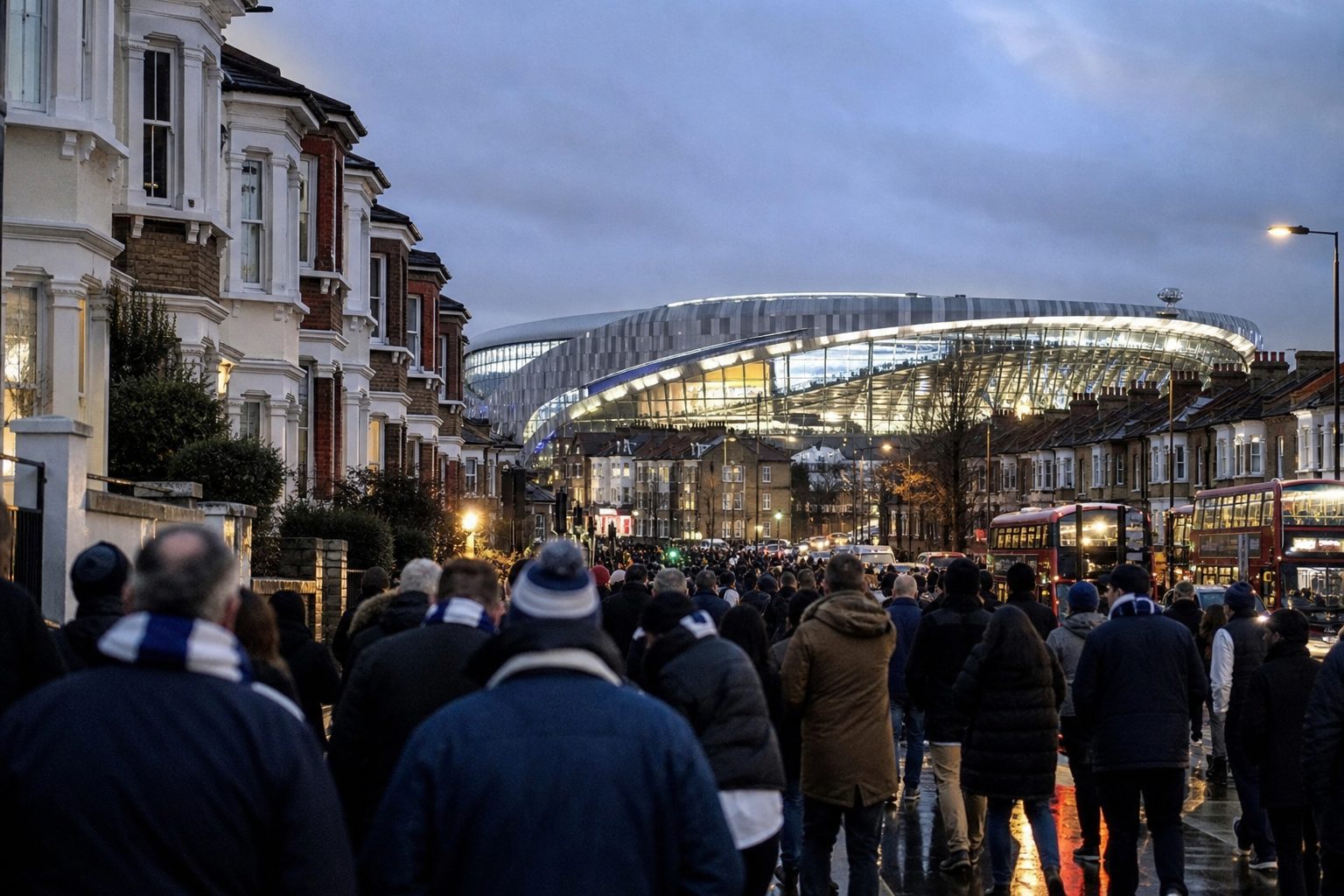
Tottenham Hotspur have always been a club that sells a feeling as much as a results sheet. The phrase that gets quoted at White Hart Lane, and now at the stadium built on the same patch of N17, belongs to Danny Blanchflower: the game is about glory, about doing things in style. Spurs supporters tend to believe it, even in the seasons when style has been the only thing on offer.
The club that keeps breaking ceilings
Founded in 1882 by schoolboys from a cricket club, Tottenham were still in the Southern League when they won the FA Cup in 1901. No non-league side has done it since. Sixty years later Bill Nicholson's team became the first club of the twentieth century to win the League and FA Cup Double, and in 1963 they beat Atlético Madrid 5–1 in Rotterdam to lift the Cup Winners' Cup, the first major European trophy won by a British club.
The UEFA Cup followed in 1972 and again in 1984. In between came Ossie Ardiles and Ricky Villa, arriving from Argentina's World Cup winning squad in 1978, and Villa's slaloming goal in the 1981 FA Cup final replay against Manchester City. Spurs won the Cup again in 1982 and in 1991, when Paul Gascoigne's reckless challenge in the final cost him most of a year. It is a list full of firsts and cup nights, and rather short on league titles.
That last gap is the part opponents enjoy most. The 1960–61 championship remains the most recent.
Cult heroes and short, strange stays
The Premier League era gave Spurs some of the most entertaining squads in the country and some of the most baffling transfer business. In the summer of 1994 Ardiles, now manager, paired Jürgen Klinsmann with Teddy Sheringham and signed the Romanian forwards Ilie Dumitrescu and Gica Popescu after the World Cup. The attacking football was thrilling; the defending was not, and Ardiles was gone by November. The story of Dumitrescu's brief, tabloid-heavy spell in north London sums up that season rather well.
Further down the list of imports sits Willem Korsten, the Dutch winger whose Tottenham career was over almost before supporters had learned to pronounce it. Clubs like Spurs collect players like that: a flash of talent, a couple of memorable afternoons, then an injury and a quiet exit.
The modern era had its own heroes. Gareth Bale, Luka Modrić, Harry Kane and Son Heung-min all passed through, Mauricio Pochettino took the club to the 2019 Champions League final in Madrid, lost 2–0 to Liverpool, and the move from White Hart Lane to the new stadium on the same site was completed that spring. Then, in May 2025, Ange Postecoglou's side beat Manchester United 1–0 in the Europa League final in Bilbao, ending a wait for a major trophy that had lasted since the 2008 League Cup.
Tottenham in sticker albums and old television
For anyone who grew up in the 1970s and 1980s, Spurs are tied up with Sunday afternoon football on ITV and the sticker swaps of the school playground. Glenn Hoddle's passing, Steve Archibald's goals, Ray Clemence in goal late in his career: these were the faces peeled from shiny paper and stuck slightly off-centre in an album.
The supporters' culture around the club has its complications too, including the long and uncomfortable debate over the "Yid" chant, which the club has asked fans to stop using. It is one of the few subjects where Tottenham's identity, history and modern sensibilities pull hard in different directions.
More on Tottenham Hotspur
Planning a trip to N17? The away fans' pub guide to Tottenham Hotspur covers where visiting supporters can drink before kick-off. For the history behind the cockerel, see the story of the Tottenham badge.
Quiz players can test their memory with the star of English football sticker quiz, which leans heavily on Spurs and Liverpool favourites, and the FA Cup finalist sticker quiz, where Tottenham's cup pedigree helps. British exports turn up in the Brit abroad sticker quiz, while the Premier League goalscorer GIF quiz includes more than one White Hart Lane finish.
Among the articles, a look back at The Big Match recalls Spurs in the age of Brian Moore and muddy pitches. Son Heung-min and the forgotten wonder goals starts from his crisp strike against Swansea in an FA Cup quarter-final, ruled out by VAR, and works back through other great goals that never counted. A piece on following Spurs in Europe deals with the risks of travelling and the chant debate.
Title talk features in a set of predictions for the Premier League title, and a review of ten chaotic months of managerial change touches on Tottenham as well. Cup romance gets a sideways look in the tale of a non-league club rejecting FA Cup money, and an account of upsetting four sets of supporters at once includes some heated Spurs replies.
Finally, two weekly round-ups: the week Spurs stunned Milan at San Siro in the Champions League, and the week United closed in on a 19th title, when the tabloids somehow found a Hollywood angle on Tottenham's game with Manchester City.