 ThreeMatchBan
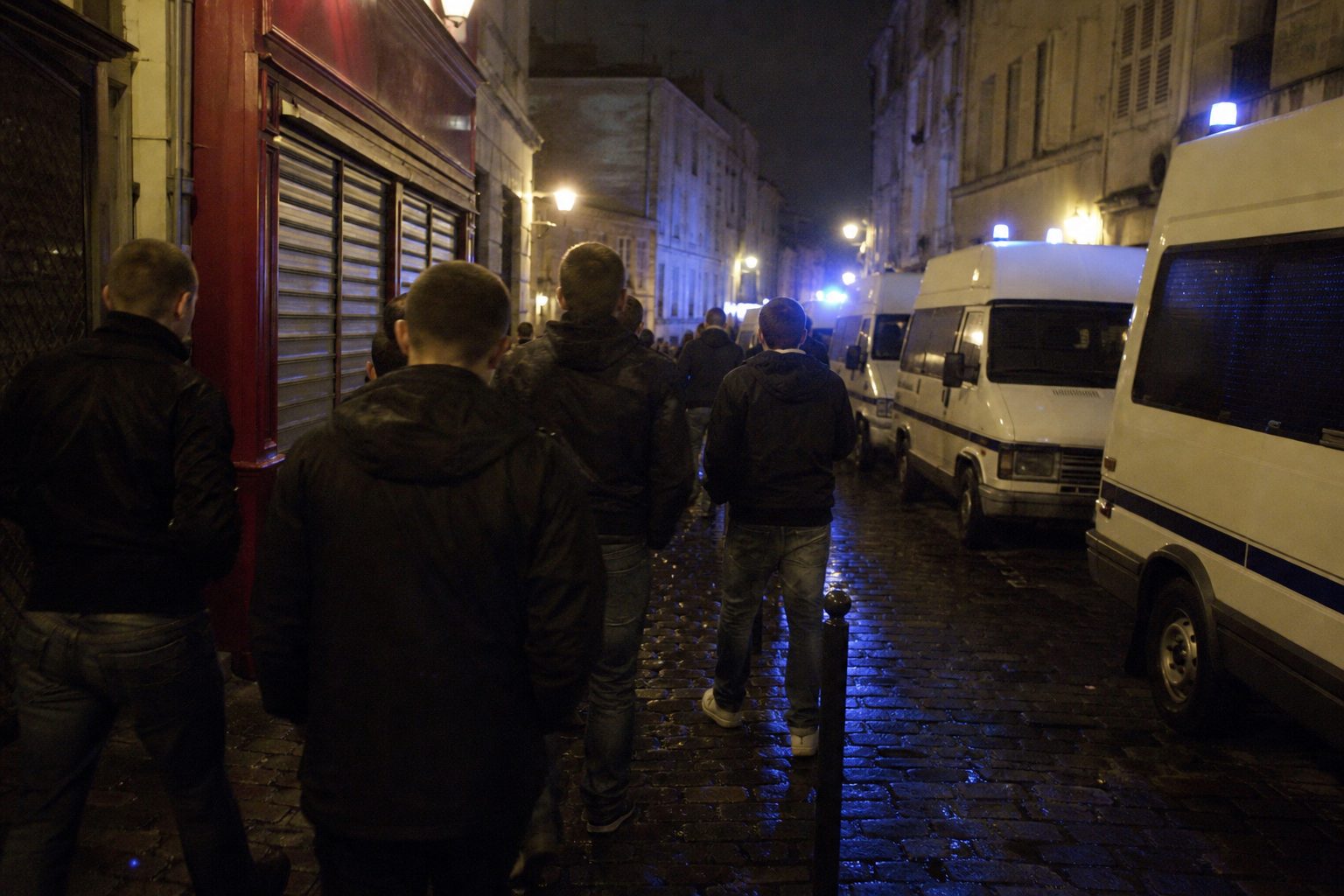
The violence inflicted on Tottenham supporter Paul Eccles, 51, who feared for his life during a gang attack in Lyon in February 2013, had no place in something as simple as a football match. Hours before Spurs played Olympique Lyonnais in the Europa League, he and his 20-year-old son Patrick were set upon by a group of around 20 men, and were only spared further harm when local people hid them.
It followed an attack on the Smoking Dog pub, which was full of travelling Spurs fans at the time. One supporter, speaking anonymously to The Guardian, described two waves of attackers, around 50 and then 25, and said it was frightening to be confronted by people making Nazi salutes.
Two attacks in one season
Lyon was the second such incident of the season. Earlier in the campaign, Spurs supporters had been attacked in a bar in Rome before a group game against Lazio, an assault that left one fan seriously injured. Both carried clear marks of antisemitism.
On the pitch Spurs went through against Lyon over two legs and were drawn against Inter Milan in the next round, with the second leg in Italy in March. Tight security planning for that trip was essential.
The advice available to travelling supporters was thin. The Foreign Office had issued specific guidance for Newcastle fans heading to Metalist Kharkiv, but nothing aimed at Spurs fans despite the previous incidents. The Football Supporters’ Federation’s away guidance did not yet cover mainland Europe, and the FA’s website offered nothing at all. Supporters could, and did, take steps to protect themselves, but the gap in official information was striking.
Identity, history and a contested word
Tottenham’s position among English clubs is unusual because of the historic links between the club’s support and the Jewish community of north and east London. Over decades many supporters, Jewish and not, adopted a term for themselves that is, outside that setting, an antisemitic slur. Fans who used it argued they had reclaimed it as a badge of unity, much as other communities have reclaimed words once used against them.
Inside White Hart Lane, the word had come to mean little more than support for the team. Outside it, the same word meant something else entirely, particularly to the far-right groups who seemed to treat the club’s identity as a pretext. Eccles told BBC Sport that at home the term was a throwaway label, but abroad it was taken far more seriously, and he believed that was what lay behind the attack.
Not every supporter accepted the premise. Some older fans have long argued that the Jewish association is overstated: Tottenham is a club of an area, not a religion, and the heroes of their youth, from Ted Ditchburn to Jimmy Greaves, had nothing to do with it.
Politicians, police and statistics
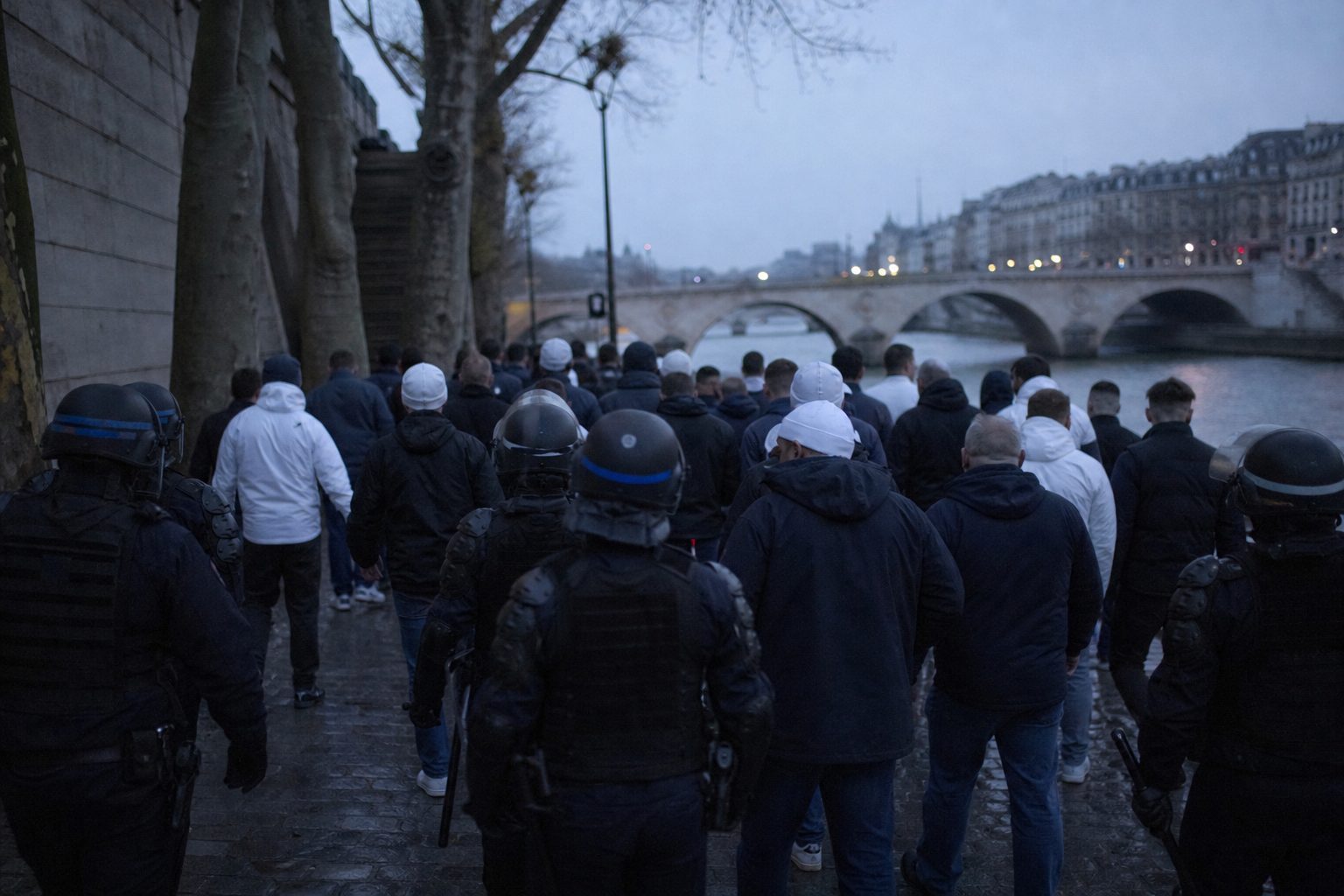
David Lammy, the MP for Tottenham, said it was alarming that fans had been attacked twice in a few months and that the reports of Nazi salutes were deeply worrying. Spurs fans, he said, would be feeling very vulnerable.
Chris Hobbs, a former Metropolitan Police officer who policed football until 2011, argued that supporters had to take more responsibility. He pointed to footage of clashes in Lyon involving fans of Ajax, another club with Jewish associations, in November 2011, and said a little research would have revealed the risk.
The wider context in France was bleak. A report by the security service of France’s Jewish community recorded 614 antisemitic acts in 2012, up 58% from 389 the year before. Bernie Kingsley of the Tottenham Supporters’ Club offered a different reading, suggesting that racial differences were often simply an excuse for violence.
How the debate moved on
The conversation did not end in Lyon. Later in 2013 the FA warned that chanting the term could amount to a criminal offence, a stance some Spurs fans resented. Tottenham consulted its supporters in 2019 and, in 2022, said it wanted fans to move away from using the word altogether. Many supporters have since done so, others have not, and the argument about who gets to use a word, and where, has never quite gone away.
The practical lesson for anyone travelling to watch their team stays the same. Read the local situation before going, avoid obvious gathering points in cities with a known far-right presence, and remember that a chant sung happily at home can be heard very differently a thousand miles away. Fans planning a trip to the new stadium can find a calmer guide to the area in the away fans’ pub guide to Tottenham Hotspur, and the cockerel on the Tottenham badge has its own long story too.