 ThreeMatchBan
Money never stops moving in football. Long after the transfer window shuts, cash is still being thrown around the game with reckless abandon, as if it were being fed into a slot machine. The clubs, at least, have to stop between September and January. Their supporters do not.
That was the point made in the autumn of 2012, once the summer window had closed. With the clubs unable to spend, it was left to the fans to splash out, and the disposable income of most supporters seems to make room for their team whatever the economic weather. How much the habit actually costs is a sum few people ever do.
A price comparison with a twist
That year a large comparison company did the maths, in a tool that was clever, genuinely interesting and, underneath, a piece of viral advertising. It priced up a season of following each club, home and away, adding tickets, travel and matchday food together. The results made for grim reading for a travelling Norwich fan, facing long trips out of Norfolk to almost every fixture, and for an Arsenal home supporter paying some of the highest ticket prices in the country.
The happiest readers were from Wigan. A Latic who loved a bargain and a pie was in for a treat, and the season that followed was the strangest in the club's history: Wigan won the FA Cup in May 2013, beating Manchester City 1–0 at Wembley, and were relegated from the Premier League days later.
Source: MoneySupermarket.com
Where the money goes on an away day
A home match is a known quantity: a season ticket, a familiar route, the same pub. An away day multiplies every cost and adds a few new ones.
- The ticket. Bought through the visiting club, usually well in advance and often only by members with enough loyalty points.
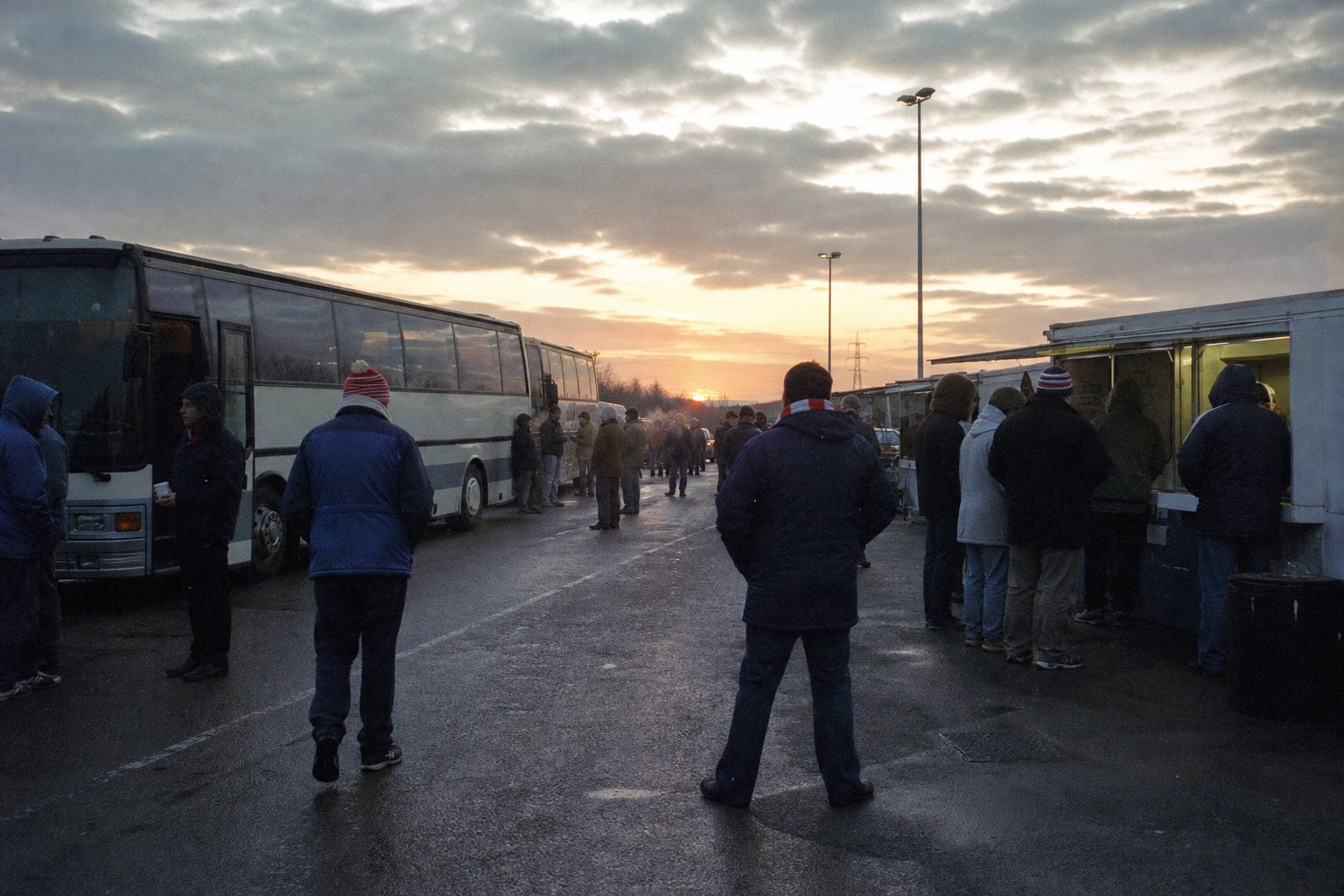
- Travel. Advance rail fares are cheaper but tie the traveller to one train, which is a gamble when kick-offs are moved for television, sometimes only a few weeks before the match. Supporters' club coaches are the traditional alternative: slower, cheaper and more sociable.
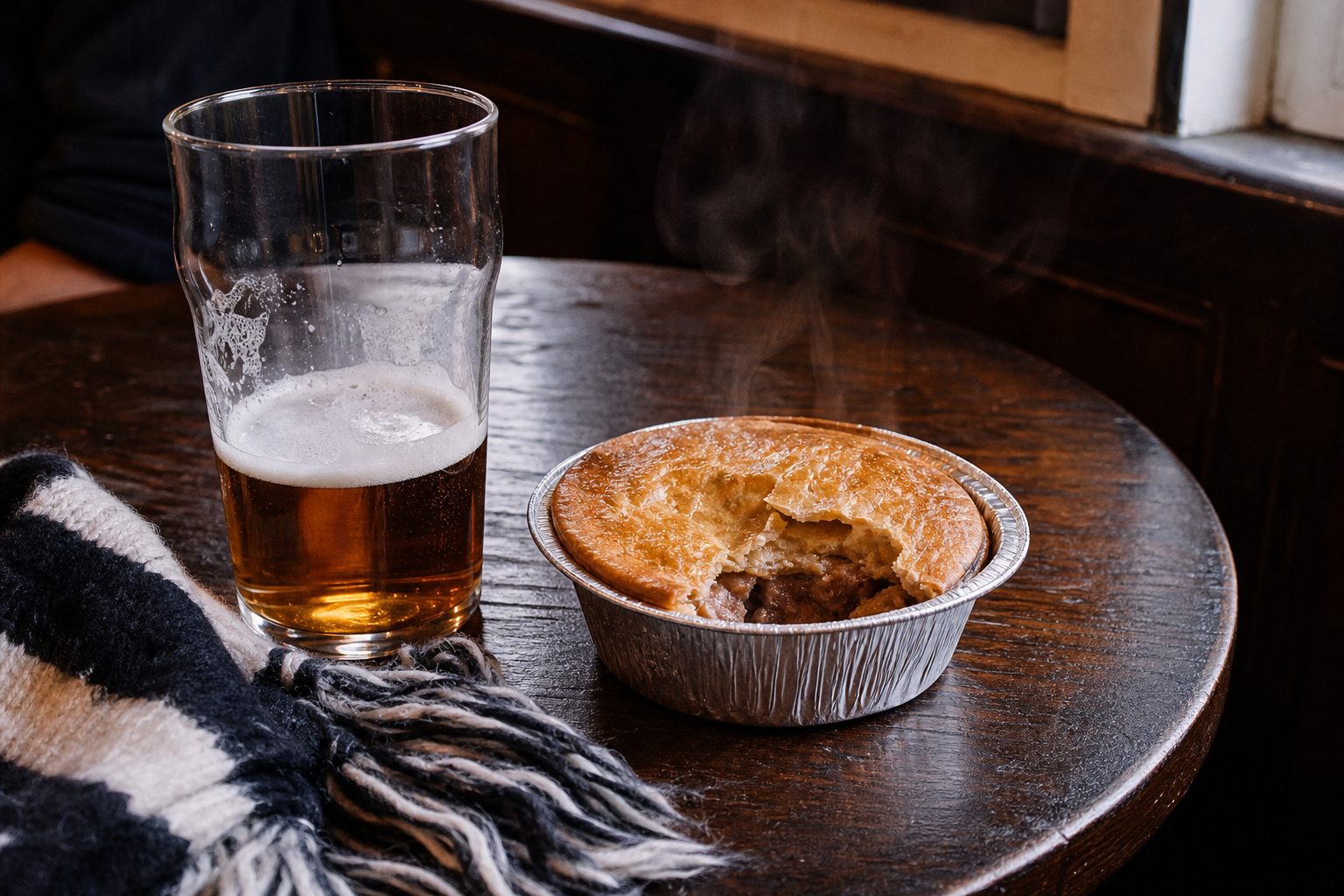
- Food and drink. A pint and a pie near the ground, another on the way home, and whatever the station sells in between.
- The programme. Still a ritual for many, kept in a drawer long after the score is forgotten.
The pint is the easiest of these to compare over time. In 2012 Guinness cost £3.20 at The Elmhurst near the old White Hart Lane, £3.50 at the Faltering Fullback in Finsbury Park, £4.10 at The Crabtree near Craven Cottage and £4.30 at The Old Ship in Hammersmith. Even then the riverside pubs in west London charged a pound more than the boozers of N17, and nobody expects any of those prices to look modest now.
Twenty's plenty and the £30 cap
Travelling supporters eventually organised. The Football Supporters' Federation ran a campaign called Twenty's Plenty, arguing that away tickets should cost no more than £20, on the simple logic that visiting fans pay for the atmosphere that broadcasters sell around the world.
It worked, partly. From the 2016–17 season Premier League clubs agreed to cap away tickets at £30, a rare piece of good news for anyone who spends their Saturdays on motorways. The cap did nothing for the cost of trains, petrol, food or beer, which is where the bill for a long away trip really adds up. Ask anyone who has crossed the country for a midweek game.
Spending it wisely
None of this stops people going, and nor should it. The trick is to spend the money on the bits that make the day worth it. A good pub, close to the ground and friendly to visitors, is one of those, which is why the away fans pub guides exist at all.
For London trips, the guides to Craven Cottage pubs, pubs near the Emirates and Tottenham pubs near the new stadium cover the stations, the away ends and the pubs that still welcome visitors.
The rest is down to luck. The cheapest away day of all is the one that ends with a late winner, because nobody on the coach home is counting the cost.