 ThreeMatchBan
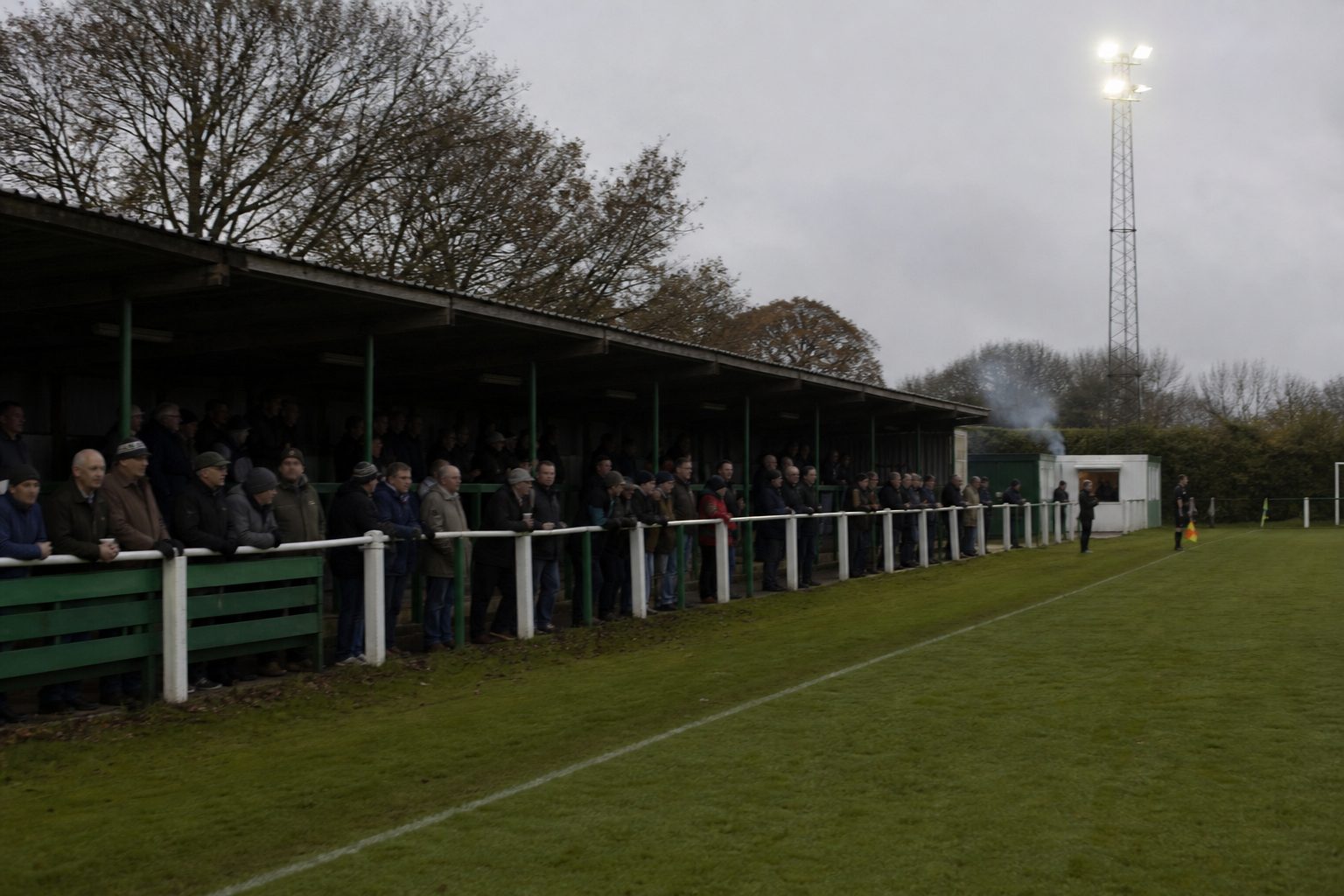
Football is a cruel game. Managers, players and supporters say it all the time, usually about a late own goal or a penalty that should have been given.
At Hendon in 2012 the cruelty had nothing to do with 90 minutes. One of the best-known names in amateur football was facing the possibility that it might simply stop existing.
Shaking through the FA Cup
There were no television cameras at Hendon's FA Cup second qualifying round tie with Lewes that September, but the pressure on chairman Simon Lawrence was every bit as real as anything in the Premier League. Hendon won, and the victory was worth £4,500 in prize money from the FA. Lawrence admitted he spent “the entire game shaking”, such was the importance of the result to the club's finances.
That figure means nothing at the top of the game. For a club in the Isthmian League Premier Division, it was the difference between paying bills and not.
Lawrence was adamant that cup money alone would not save the club. Founded in 1908, Hendon were 104 years old, and he warned that their future was in real doubt unless supporters did more. “It's been well documented at the [Supporters'] Trust annual general meeting that the club can't sustain itself based on revenue income and current gates,” he said that week.
“Anyone who professes to be a supporter needs to act as in time there won't be a football club to follow. Soon they won't be able to look for the results on Sky Sports, as they'll be hidden at the back of the Sunday papers.”
A club without a home
Part of the problem was the ground, or the lack of one. Hendon had left Claremont Road, their home for decades, and were sharing with Harrow Borough at Earlsmead. The plan was to move to Vale Farm in Wembley for the following season, sharing again. Without a ground of their own the club lost the bar takings, the hire income and the small everyday revenue that keeps a non-league side afloat.
So Lawrence set out the numbers plainly. “It's a drum we've been banging for six years now and it's alarming how few people are coming through the doors,” he said. “I'm asking people to at least join the Hendon Supporters' Trust, as if around 500 extra people sign up then that's £10,000 for the club.”
He was explicit about why he was going public. “I don't want people to turn around and say I wish I'd known about it and I wish I could've done something.”
The letter to supporters
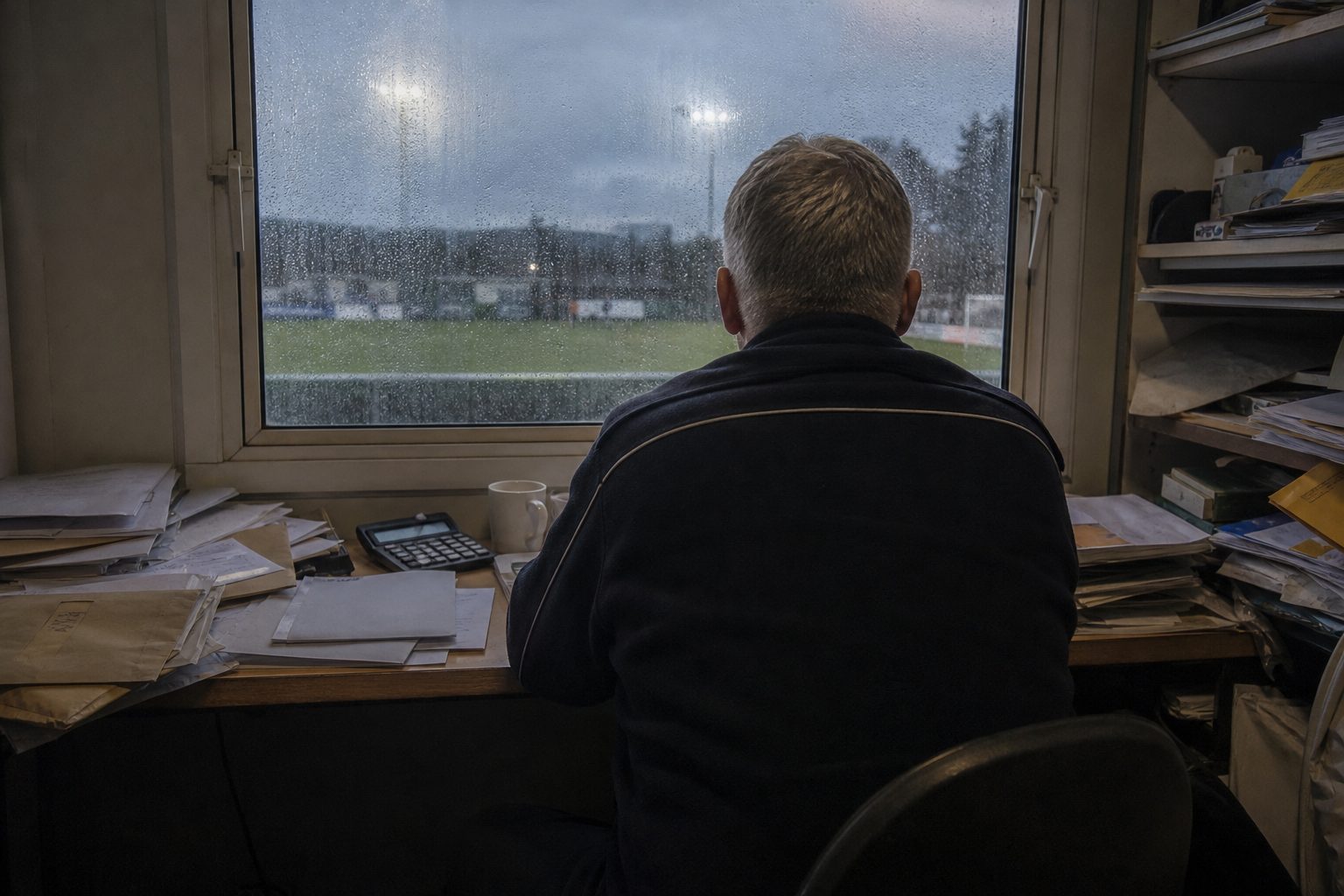
After the Lewes win Lawrence wrote an open letter to fans, posted on the club’s website. “Fortunately, we successfully negotiated our way through our difficult FA Cup tie and into the 3rd Qualifying Round with an excellent performance from the players,” he wrote. “This means we'll be £4,500 better off with the prospect of further prize money to come.”
The warning followed straight after. “However, should we lose in the next round, be under no illusions, it won't be too long before the consequences really start to kick in. For those who understand the FA Cup, clubs of our size die a thousand deaths hoping we get the result.”
The next round brought Eastbourne Borough, a Conference South side from the division above, with a further £3,000 on offer to the winners. Lawrence did not fancy it. “We have a tricky draw against Eastbourne, who are mid-table in the Conference South, the level above us, and I wouldn't give us a chance as they're a strong side very well equipped to deal with us,” he said. “I'll be there ready and I'll be shaking as I know what's at stake.”
Why small cup ties matter
The FA Cup's early rounds are where the competition's prize money does its most important work. A few thousand pounds for a qualifying-round win will not register at a Premier League club, but at Hendon's level it can cover a month of wages or a winter of floodlight bills. That tension, between glory and simple survival, runs through stories like the tense early rounds of the cup and the odd case of a club that turned down cup money for a car boot sale.
Hendon's past made the situation sharper. The Greens won the FA Amateur Cup three times, in 1960, 1965 and 1972, and were among the strongest amateur sides in the country. Plenty of grounds at that level have a similar story, and the devotion it takes to keep them going is clear in Sunday league football in the south as well.
The club came through, and Hendon are still playing. Further information about how supporters could contribute to the survival of Hendon FC was set out by the Trust here.