 ThreeMatchBan
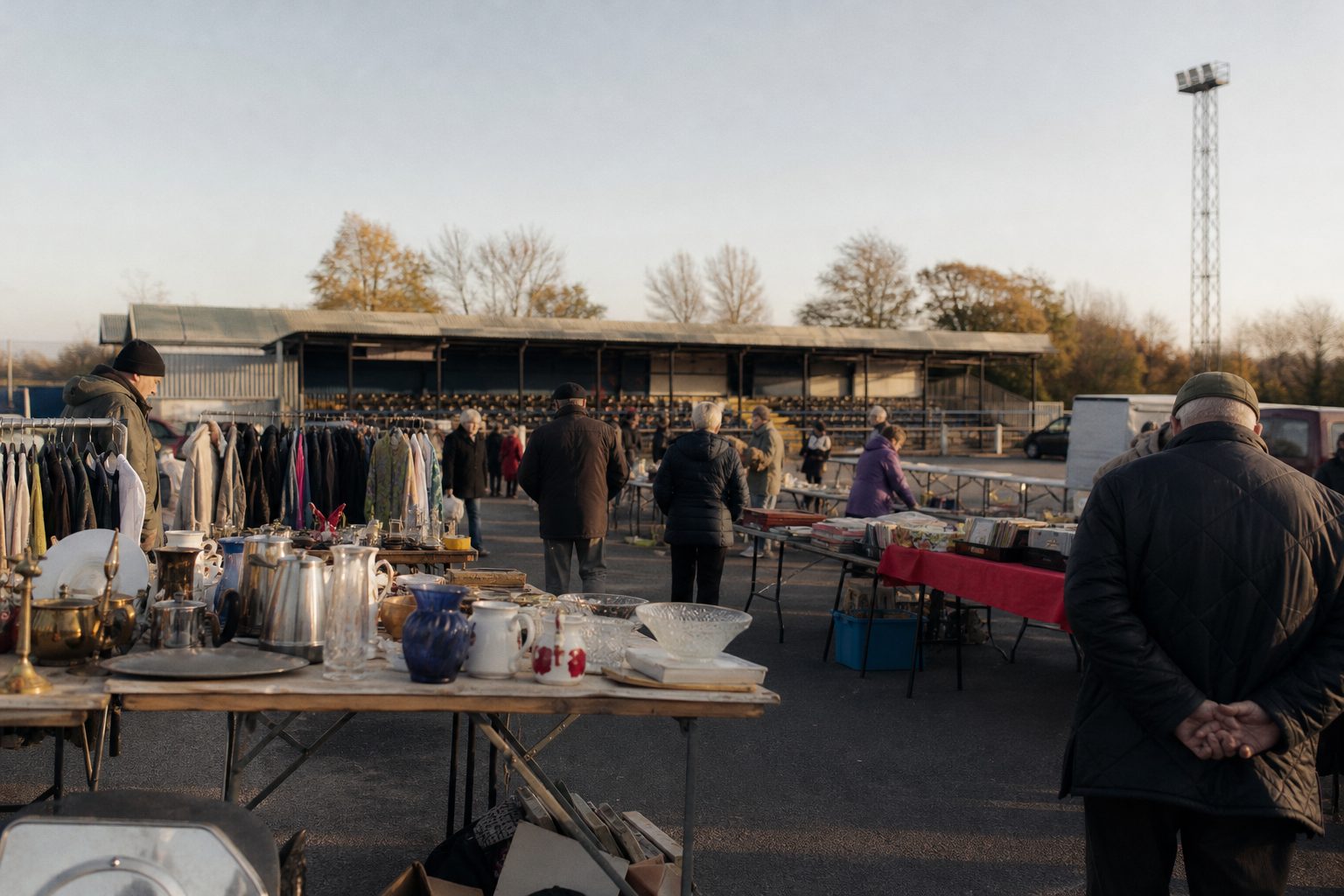
“I got told during the week,” said Haringey Borough manager Tom Loizou. “I spoke to a couple of the players and a few of them said they couldn’t get in for that time because of work commitments, and that was it, we had to say no. Also, we’ve got a boot sale here in the morning which we would have had to cancel, which would have meant more revenue lost as well.”
The game in question, in October 2017, was an FA Cup fourth qualifying round tie against Heybridge Swifts, a promotion rival in the Isthmian League North, the eighth tier of English football. Victory promised Haringey a first ever place in the first round proper and an estimated £100,000 windfall.
A short-notice offer from the BBC
Excitement at the community club had been building, and peaked when the BBC called during the week offering to stream the match live. The offer came with a condition: an earlier kick-off at 12.30.
Loizou and chairman Aki Achillea turned it down. For a club of Haringey’s size, broadcast money could have been transformative, but two things mattered more. Several players had Saturday-morning jobs and could not get away in time, and the club’s weekly car boot sale was something local people relied on.
“The extra money would have been nice, but they gave us only a few days’ notice and wanted the match to kick off at 12:30. Our players work, and lots of them work on Saturday mornings. It was extremely short notice and I couldn’t get all the players in on time.”
On the boot sale he was equally firm. This was not a wealthy area, he explained, and many people relied on it to buy clothes and even food. With more time, the club might have moved things around, but cancelling an event the community depended on to suit television was not an option.
The gesture deserved a fairy tale. It did not get one. Heybridge won 4–2 on the day, and Haringey were left to think about what might have been.
Every penny back into the club
Loizou was stoic about it. Everything earned in that cup run was going back into the club: new dressing rooms, another car park behind one of the goals. “It’s all going back into the club, it’s not going back in anyone’s pockets,” he said. The lost £100,000 would have paid for another artificial pitch and a training area for children.
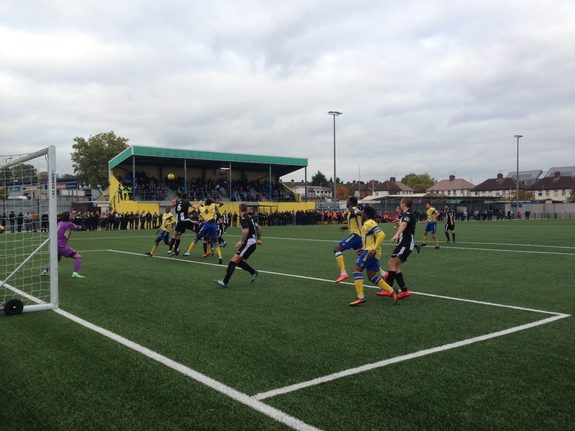
He had arrived nine years earlier with Football League experience, including a spell as caretaker manager at Leyton Orient, to find poor facilities. He put a business plan to the chairman. The boot sale grew, and alongside the chairman’s investment it helped build the clubhouse. An artificial surface followed, and a stronger first team gave local youngsters something to look up to. Promotion came in 2015.
The club made a point of giving things away. Two thousand free season tickets were available that season to local families who showed an interest, so a parent could bring two or three children at no cost, and free martial arts sessions ran at the ground on Thursday evenings for children and adults. In an area of north London that had too often made national news for the wrong reasons, the club tried to be a fixed point.
One full-time employee
All of this rested on remarkably few shoulders.
“We have to do things gradually at this football club because I am the only full-time person here,” Loizou said. “There’s no one else and there’s only so much I can do. At the moment I’m a groundsman, caretaker, maintenance man, hire out the bar for the club, all sorts.”
Far from being worn down, he was buoyed by rising crowds, an improving team, the new 3G surface and scouts from Football League clubs turning up to watch his players. When he took the job the brief had been to avoid relegation to the tenth tier. By 2017 the ambitions were bigger: promotion to the Isthmian Premier, then the National League South, and perhaps a full-time under-23 side to push on further.
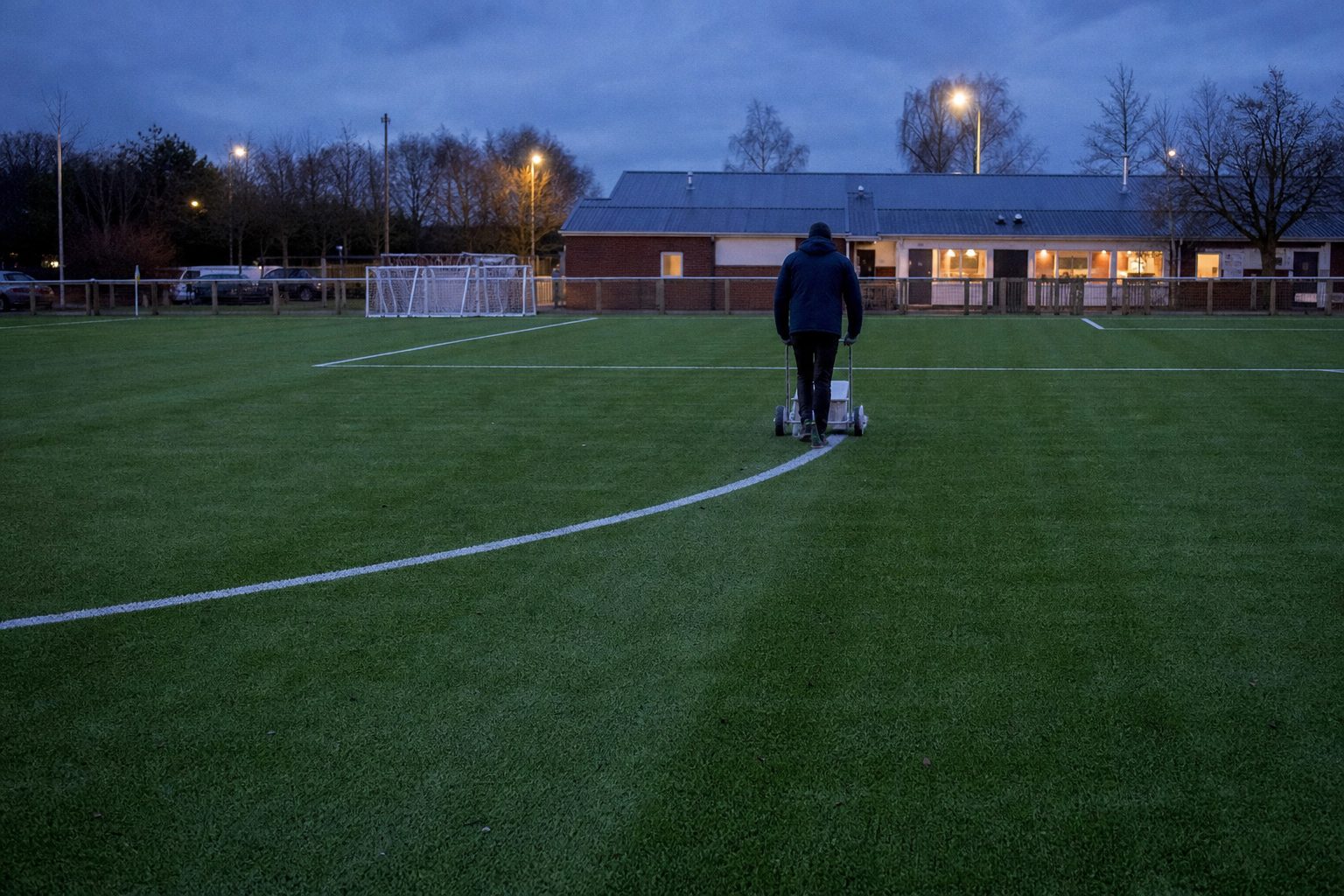
At 58 he called the club his “personal little battle” and hoped to stay for the rest of his managerial career, for as long as the chairman wanted him.
What came next
Haringey did reach the first round proper two years later, drawing Yeovil Town at Coles Park in November 2019. That tie made national headlines for the worst reason: it was abandoned after Haringey’s players left the pitch in protest at racist abuse aimed at members of their team. It was a grim echo of the reputation the club had worked so hard to change, and the response from the players was widely praised.
The FA Cup still produces stories like this every autumn, from the tense early qualifying rounds to clubs where volunteers mark the lines and run the tea bar. The same devotion shows up in parks football, as anyone who has seen Sunday league players in freezing conditions will know, and in the close-up intimacy of lower-league grounds. Few clubs, though, have ever chosen a car boot sale over a live television fee. Haringey did, and the stalls opened at the usual time.