 ThreeMatchBan
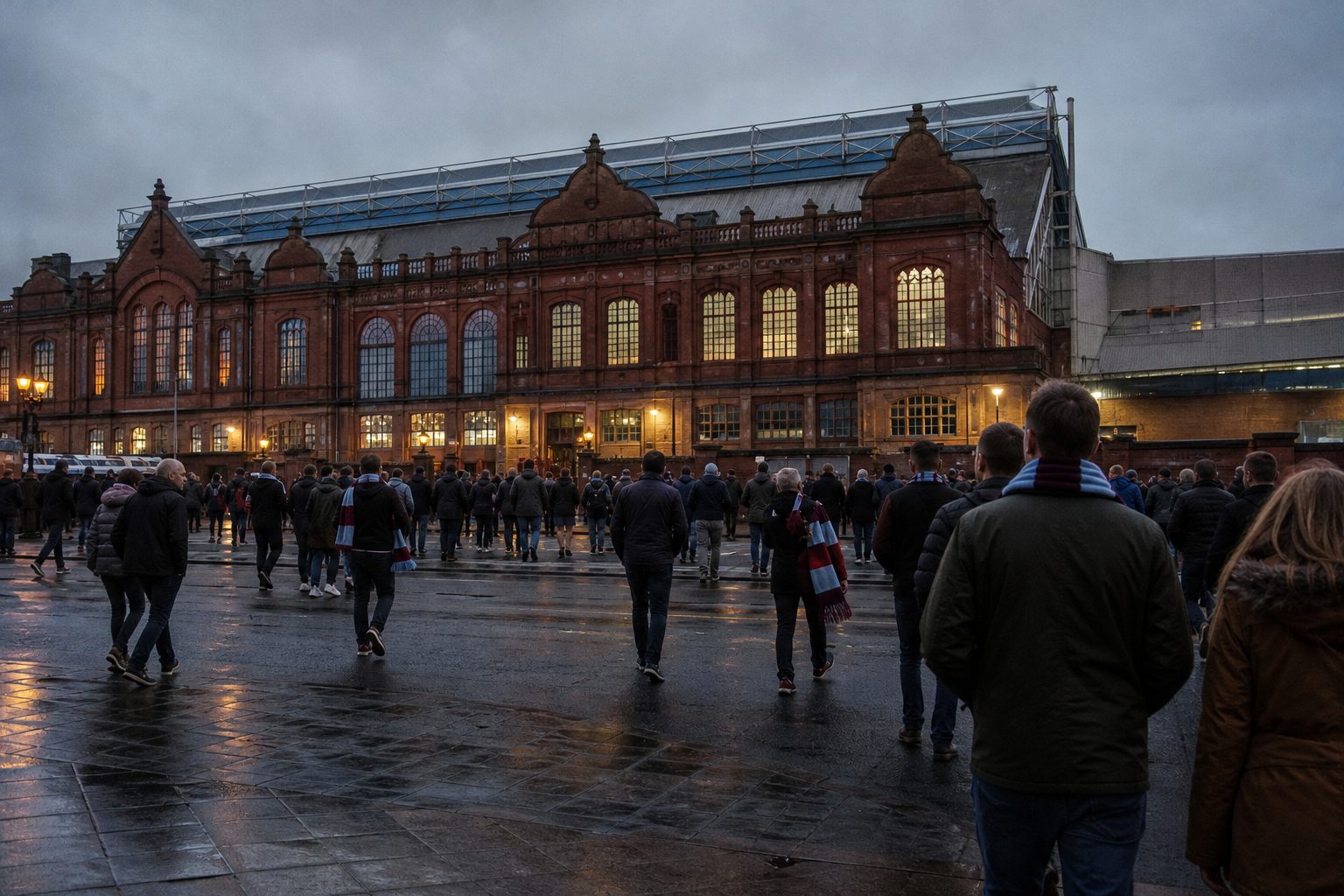
Aston Villa are one of English football's founding families. The club was formed in 1874 by members of a Methodist chapel cricket team in Aston, and its director William McGregor wrote the letter in 1888 that led to the creation of the Football League. Villa were among the twelve founder members, and by the end of the Victorian era they were the dominant team in the country.
Founders, champions and a night in Rotterdam
Seven league titles sit in the Villa Park trophy room, most of them won before the First World War. The seventh came in 1980–81, when Ron Saunders built a side around Dennis Mortimer, Gordon Cowans, Tony Morley and the goals of Peter Withe and Gary Shaw, and used just fourteen players across the whole season.
What happened next still reads like fiction. Saunders resigned in February 1982, his assistant Tony Barton took over, and in May Villa beat Bayern Munich 1–0 in the European Cup final in Rotterdam. Withe scored from close range after Morley's run down the left, and the young substitute goalkeeper Nigel Spink, thrown on early after Jimmy Rimmer was injured, kept Bayern out for the rest of the night. Villa remain one of only a handful of English clubs to have won the competition.
The aftermath was less glamorous. A trip to Tokyo for the Intercontinental Cup that December ended in a 2–0 defeat to Peñarol, and within five years the European champions had been relegated.
The Premiership years and the merry-go-round
Ron Atkinson's side ran Manchester United close in the first Premier League season of 1992–93, finishing as runners-up, with Dean Saunders and Dalian Atkinson scoring some memorable goals. League Cup wins followed in 1994, when Atkinson's team beat United at Wembley, and in 1996 under Brian Little. Martin O'Neill's spell in the late 2000s brought three successive sixth-place finishes and a League Cup final, but the summer of 2010 began a cycle of managerial exits, star sales and anxious springs.
That cycle ended in relegation in 2016. Three seasons in the Championship followed before Dean Smith's side won the 2019 play-off final against Derby County. Under Unai Emery, Villa then qualified for the Champions League and reached the quarter-finals in 2024–25, a run that would have seemed absurd during the Championship years.
Supporters know the pattern. Highs arrive quickly; so do the lows.
Rivalries and the second city
The Birmingham derby against Birmingham City is the fixture that defines the club locally. When Blues were relegated in 2011 it disappeared from the top-flight calendar, and the two clubs have spent long stretches in different divisions since. Villa's other old rivalries, with West Bromwich Albion and Wolves, carry less heat but plenty of history from the days when Midlands football meant packed terraces on the Holte End.

More on Aston Villa
The lion on the shirt has changed shape several times, as the history of the Aston Villa badge explains. The derby's long absence is the subject of a piece arguing that losing the Villa and Blues fixture hurt both clubs, and an account of upsetting four sets of fans with a single article shows how strongly Villa supporters respond.
The 1982 trip to Japan gets proper attention in the story of Villa's forgotten world title bid in Tokyo. For the early Premiership years, a BBC documentary on Villa and the 1992–93 title race ends with Big Ron singing My Way at Symphony Hall.
The emotional side of supporting the club runs through a reflection on the repetition of being a Villa fan, written as Gérard Houllier's illness ended his reign. Communications at the club get a sharp look in a piece on burying bad news beneath more bad news and in a study of the club's ill-judged social media banter.
Elsewhere, a review of a year of Championship sackings and the tale of Haringey Borough turning down FA Cup money carry the Villa tag too. A tabloid round-up from May 2011 covers the end of that season.
For quiz players there is the FA Cup finalist sticker quiz, the Brit abroad sticker quiz, which has a Villa connection among its exiles, and the Premier League goalscorer GIF quiz, where a Villa Park strike or two may jog the memory.