 ThreeMatchBan
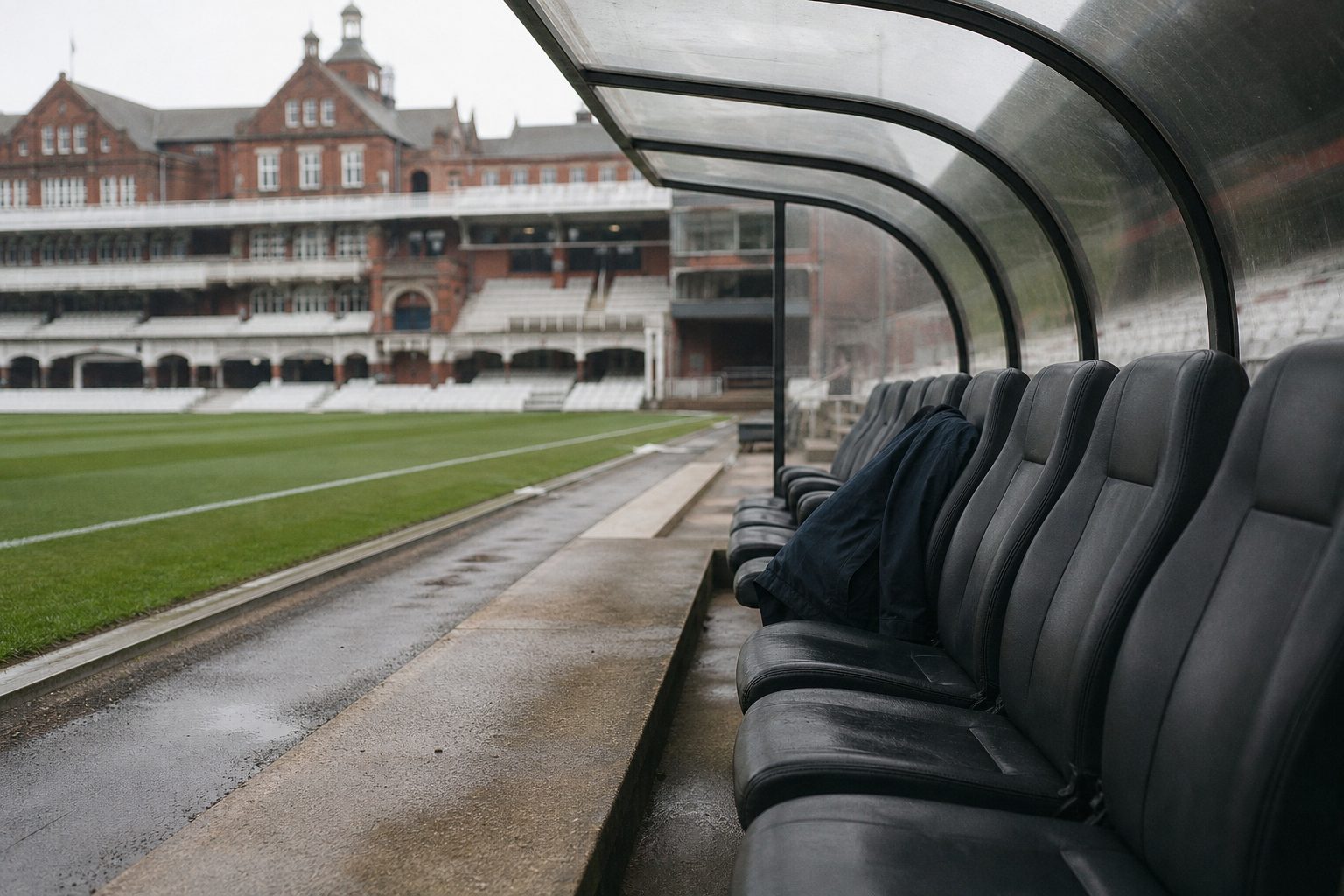
Modern football management is a stressful trade, and a weak heart does not sit easily alongside the running of a top-flight club. Gerard Houllier found that out for the second time in April 2011, when he was taken to hospital with chest pains and Aston Villa were suddenly without their manager.
The first warning had come a decade earlier. In October 2001, while in charge of Liverpool, Houllier fell ill at half-time of a game against Leeds and needed emergency heart surgery. He recovered and returned to the dugout that season. At 63, with a second scare behind him, a return to frontline management looked a much bigger ask.
A cautious press, with one exception
Houllier received messages of support from across football and thanked people for them publicly. Much of the media was slow to say the obvious, perhaps out of respect for a well-liked man, and most outlets stayed non-committal about whether he would return to Villa Park.
The Guardian, however, had no time for fence-sitting and offered a strict, practical assessment of where things stood.
The talk-radio stations weighed in as expected. The most authoritative voice was Chelsea's cardiologist, Dr Duncan Dymond, whose radio interview was picked up by The Independent. His advice was blunt: “My own assessment, without knowing Gerard Houllier or having seen him, quite frankly he’s had one brush with the grim reaper already and now’s he had one serious warning, and to put himself through this again with the stresses and strains of being a football manager, I think he should call it a day.”
The rumour mill starts turning
The tabloids did what they do best. Within days they were naming possible successors, and the list looked very like the one printed the previous summer.
The Mirror closed off one route back into football for Houllier, reporting that his old desk job at the French Football Federation had been filled and was no longer an option.
The Sun seemed to recycle the article it had run when Martin O'Neill walked out in August 2010, again putting Mark Hughes and David Moyes at the top of the list. Hughes was in his only season at Fulham, having been sacked by Manchester City, and his record invited some hard questions. Moyes appeared increasingly frustrated by the lack of money available to him at Everton.

Transition again at Villa Park
For Villa supporters the timing was miserable. The 2010–11 season had been spent largely at the wrong end of the table, and a change could be read two ways: as another barrier to progress, or as a chance to rebuild under someone new. Nobody wanted the opportunity to arrive like this. The club had barely recovered from O'Neill's departure five days before the season started, followed by Kevin MacDonald's spell as caretaker and Houllier's appointment in September.
Gary McAllister, Houllier's assistant, took charge for the run-in, and Villa finished the season safely clear of trouble. Houllier did not come back. He and the club parted by mutual consent on 1 June 2011, and the speculation of April turned out to be wide of the mark. Hughes resigned at Fulham that summer, Moyes stayed at Everton until Manchester United came for him in 2013, and Villa appointed Alex McLeish from relegated neighbours Birmingham City, a choice that went down badly with many supporters and is part of a familiar pattern of Villa frustration.
According to BBC Sport, Houllier was in a comfortable condition and in relatively good shape in the days after his admission, and the hope was always that he would return to the game in some capacity. He did. He went back to an advisory role in football, working for the Red Bull clubs in New York and Salzburg and later with Lyon.
Houllier died in December 2020, aged 73. Liverpool supporters remember him for the cup treble of 2001. At Villa Park he is remembered for a single season and an empty dugout.