 ThreeMatchBan
Every family has one: the recently divorced uncle, back on the social scene after a few weeks sleeping in his car, trying to win friends with jokes he overheard fourth-hand at a bar. The audience has heard them all before. He tells them anyway.
In October 2016 Aston Villa's Twitter account briefly became that uncle.
A manager-less Villa and a cheeky train company
The timing mattered. Villa had been relegated from the Premier League in May 2016 and started life in the Championship under Roberto Di Matteo, who was sacked on 3 October after a poor start. The club was managerless, frustrated and a long way from the side that won the European Cup in 1982, a high point recalled in the story of Villa's forgotten world title bid.
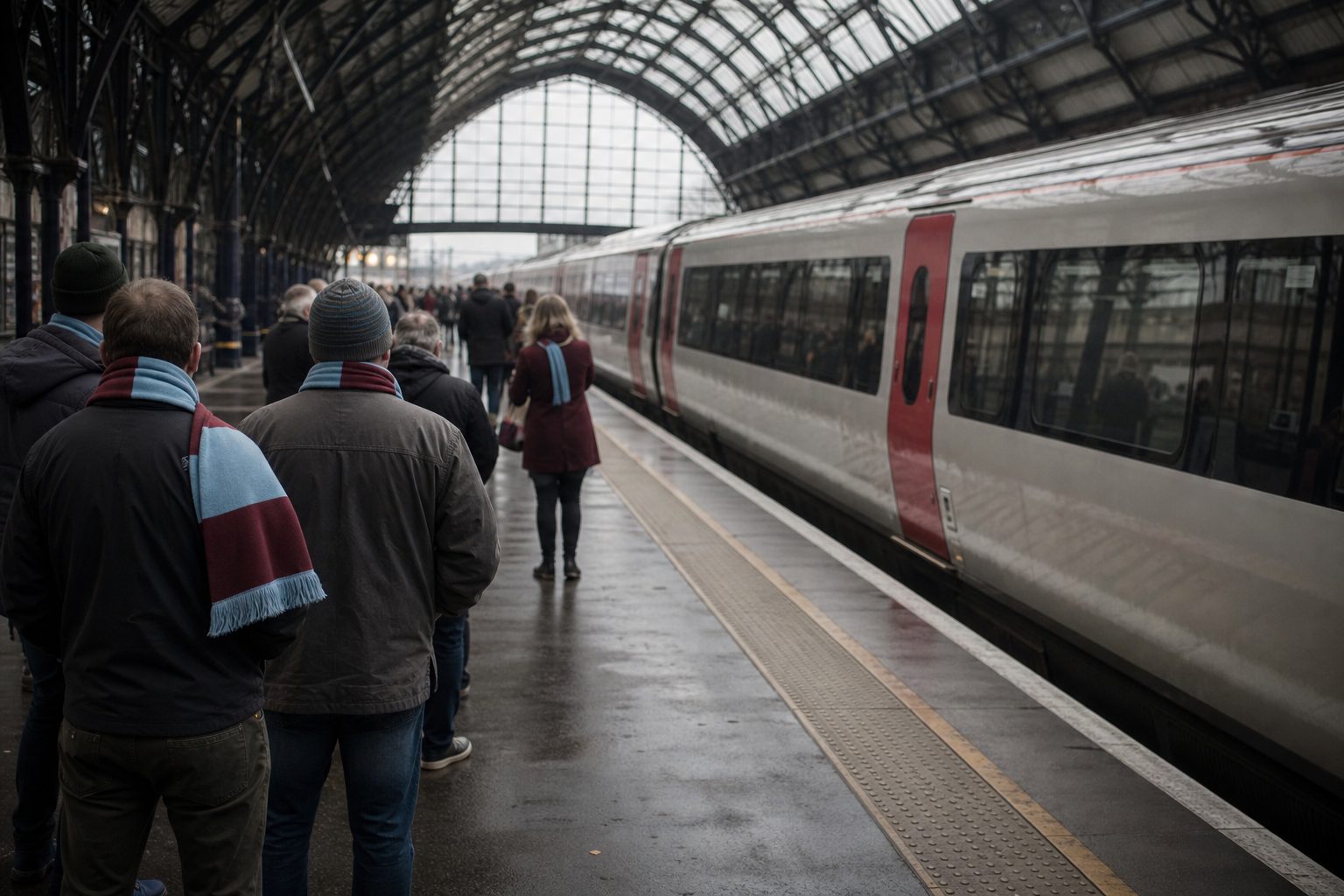
Into that gap stepped Virgin Trains. In the name of banter, the rail company, perhaps keen to draw attention away from its hot-air-ballooning owner Richard Branson and his recent cycling-dunce moment, joked about the shortage of candidates for the vacant job at Villa Park.
The two accounts had already been swapping lines about punctuality and the empty manager's office, including this from Villa:
Would our managerial candidates actually get here for interviews on time if they arrived via
VirginTrains</a>?</p>— Aston Villa FC (AVFCOfficial) October 4, 2016
The reply that took almost a day
Villa's social media team clearly felt a point had to be made. When a friend in the pub lands a joke that cuts close to home, the natural response is a quick comeback. Villa waited nearly 24 hours, which in Twitter terms is the equivalent of replying by fax.
When the answer came, it was the honours list, aimed squarely at the train company: one European Cup, seven league titles, seven FA Cups and five League Cups, finished with an instruction to get back in the Quiet Coach, addressed to @VirginTrains.
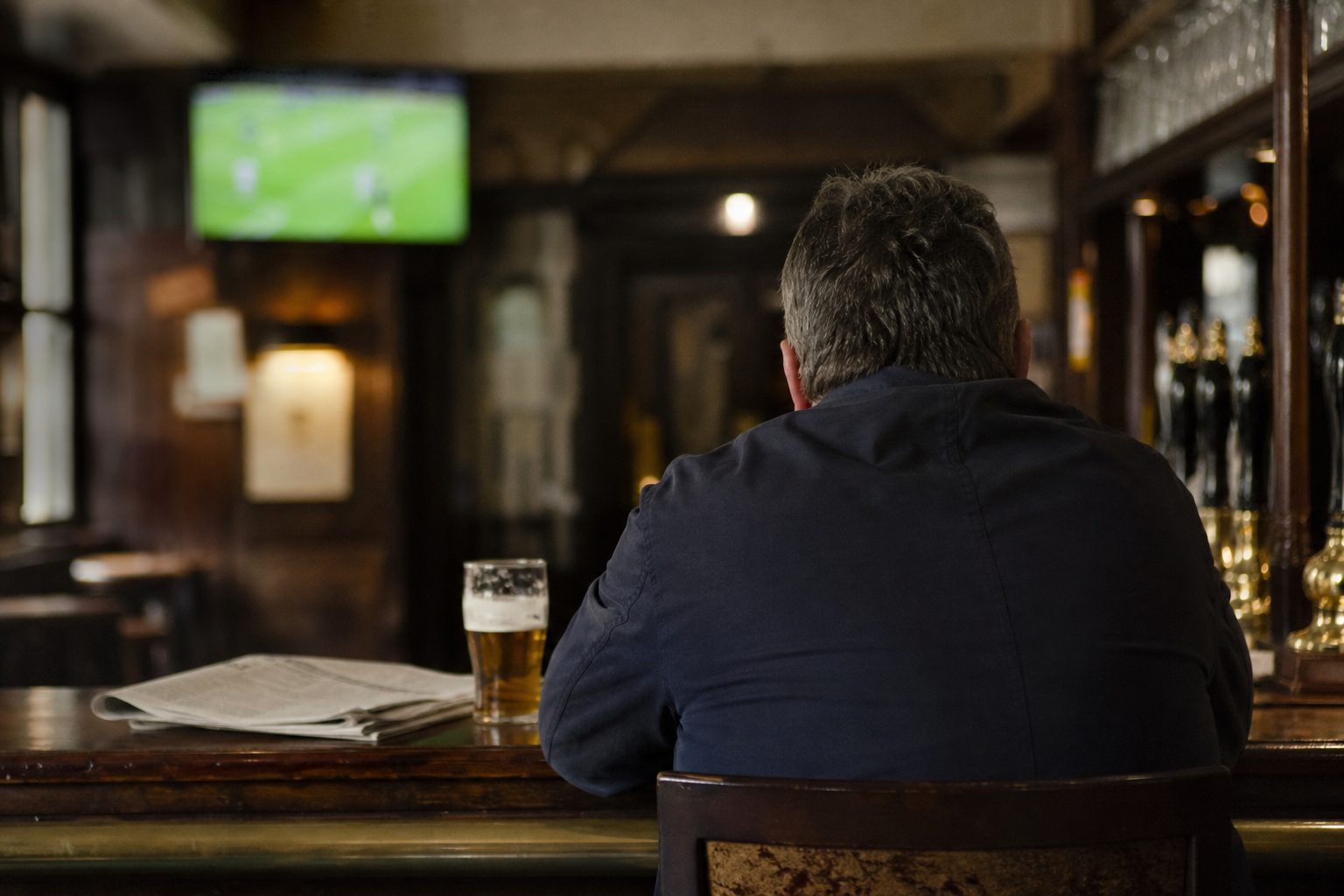
The list was accurate and the trophies are real, as anyone who knows the history behind the lion on the Aston Villa badge will confirm. Reciting them to a train operator while sitting in the second tier without a manager was another matter. It is the uncle at the end of the night telling the barman how good he used to be.
When club accounts learned to joke
Exchanges like this were fairly new in 2016. For years club Twitter accounts had been quiet, impersonal noticeboards: team news, ticket details, a goal alert and the odd happy-birthday message to a former player. Then marketing departments discovered that cheek earns retweets, and every club suddenly wanted a personality.
Footballers had been providing that kind of material for years. The classic forms of football banter, a surprise international call-up, a bit of vandalism or a spot of indoor fireworks, made the move from tabloid back pages to the digital age without much trouble.
That same October, Ander Herrera laughed out lol when he was called up by Spain while on holiday with his family, after injuries to Saúl Ñíguez and Thiago Alcântara. It took confirmation from his friend David de Gea to convince him it was not a wind-up, and the kit-less midfielder had to buy a pair of boots on the way to training.
At the other end of the scale, leaving your UGG boots lying around a dressing room was a risk in 2011: Joey Barton cut Jay Bothroyd's pair in half at QPR, a story that fits neatly beside any defence of Barton.
Bruce arrives and the joke moves on
The Twitter row ended the way these things do: everyone moved on within a day. Villa appointed Steve Bruce on 12 October 2016, and the long climb back to the Premier League began, one that would take until 2019 and a play-off final win over Derby County at Wembley.
The lesson for club social media teams remains. Banter works when it is quick and when the club is not the punchline. Fire off a trophy list a day late from the Championship and you end up alone at the bar beside the divorced uncle, explaining dad jokes to a train. The photograph known as Just divorced, credited to Wikimedia Commons / Jennifer Pahlka, says the rest.
