 ThreeMatchBan
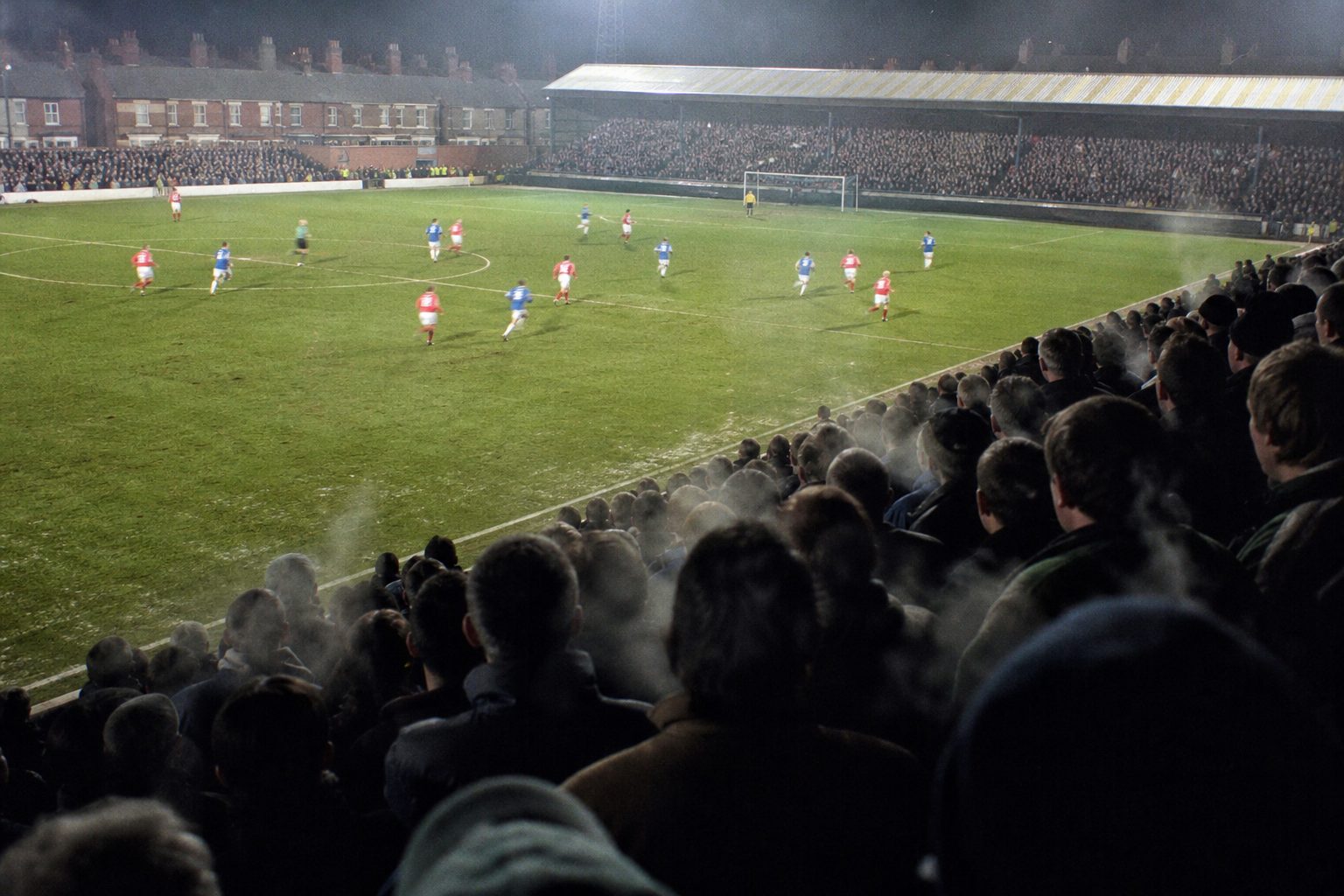
The intensity of the Tyne-Wear clash, the noise of a Merseyside derby and the title consequences of Manchester City against Manchester United are all fixed points of the Premier League season. By the autumn of 2013 one rivalry had gone missing. Aston Villa against Birmingham City, the second city derby, had been absent from the top flight since Birmingham's relegation in 2011, and both clubs were poorer for it.
That relegation came in a strange season for the Blues. In February 2011 they beat Arsenal 2–1 at Wembley to win the League Cup, then went down a few months later. Across the city, Villa carried on in the Premier League, but the fixture that had defined their calendar was gone.
A fixture that stood out weeks in advance
Without Birmingham in the division, Villa spent seasons meandering through fixtures. There were still matches of note, relegation scraps and the odd big scalp, yet none captured the city in the same way. The derby used to stand apart on the fixture list weeks before it was played, glowing between a run of dull and dreary away trips.
It was rarely a good game. More often it brought out the worst in both teams, as players abandoned tactics, sometimes entirely, and chased the ball as if trying to match the fervour of the crowd. Tackles flew in. Passes went astray. Matches lost their shape and turned into a battle for midfield supremacy that neither side would concede, and to anyone outside Birmingham the result was usually an ugly ninety minutes.
To the people inside the city, that was the point. Plenty of supporters on both sides will tell you a scrappy derby win is worth more than a stylish victory anywhere else, and it is a claim that would be hard to argue with at Aston Villa or St Andrew's.
The goal that summed up the pressure
When the clubs met in the Premier League in September 2002, it was the first league derby the city had seen since December 1987 in the old Second Division. Birmingham won 3–0 at St Andrew's, and the moment everyone remembers involved Villa's Finnish goalkeeper. Peter Enckelman inexplicably let a throw-in from his own defender skim under his boot and could only watch the ball roll across the line. A goal cannot be scored directly from a throw-in, but the referee judged that the goalkeeper had touched the ball, so it stood.
No single incident captures the tension of the fixture better. A city fixated on one game, a goalkeeper caught out by the simplest thing in football, and a home end that has never let anyone forget it.
Hollow bravado from a distance
By 2013 both sets of supporters had little to look forward to beyond a respectable mid-table finish, the occasional heart-warming result and the hope of a cup run. Villa, under Paul Lambert, were stuck in an uninspiring cycle of survival. Birmingham were flirting with the wrong end of the Championship. Week after week fans endured the kind of graceless football that might at least have been excused in a derby, without the derby itself to make it worthwhile.
The old songs about the other lot still rang around Villa Park and St Andrew's whenever either side played. Without any prospect of a meeting, though, the bravado sounded hollow, like two children shouting threats at each other from behind their mothers' legs. The rivalry had become a fond memory that deserved to be reborn, and few saw how it would happen soon.
The gap between the two clubs had narrowed and widened at different times over the years, but never had both sides seemed so far from anything worth fighting over.
What happened next
The derby did come back, though not in the way either club would have chosen. Villa were relegated from the Premier League in 2016, and the fixture returned in the Championship in the 2016–17 season. For three seasons the city had its game again, played in the second tier but with all the old edge.
Too much edge, at times. In March 2019, at St Andrew's, a spectator ran onto the pitch and attacked Villa captain Jack Grealish. Grealish scored the only goal of the match later that afternoon, and Villa went on to win promotion through the play-offs that May, beating Derby County 2–1 at Wembley.
Since then the clubs have drifted apart once more. Villa climbed under Unai Emery into the Champions League, while Birmingham fell into League One in 2024 before bouncing straight back as champions. The derby is again a cup-draw fantasy, and the supporters on both sides of the city are back to shouting across a gap that only a cup draw can bridge.
Following Villa through the lean years taught patience. Following Birmingham taught something closer to stubbornness.
Image: Flickr / Paul Townsend