 ThreeMatchBan
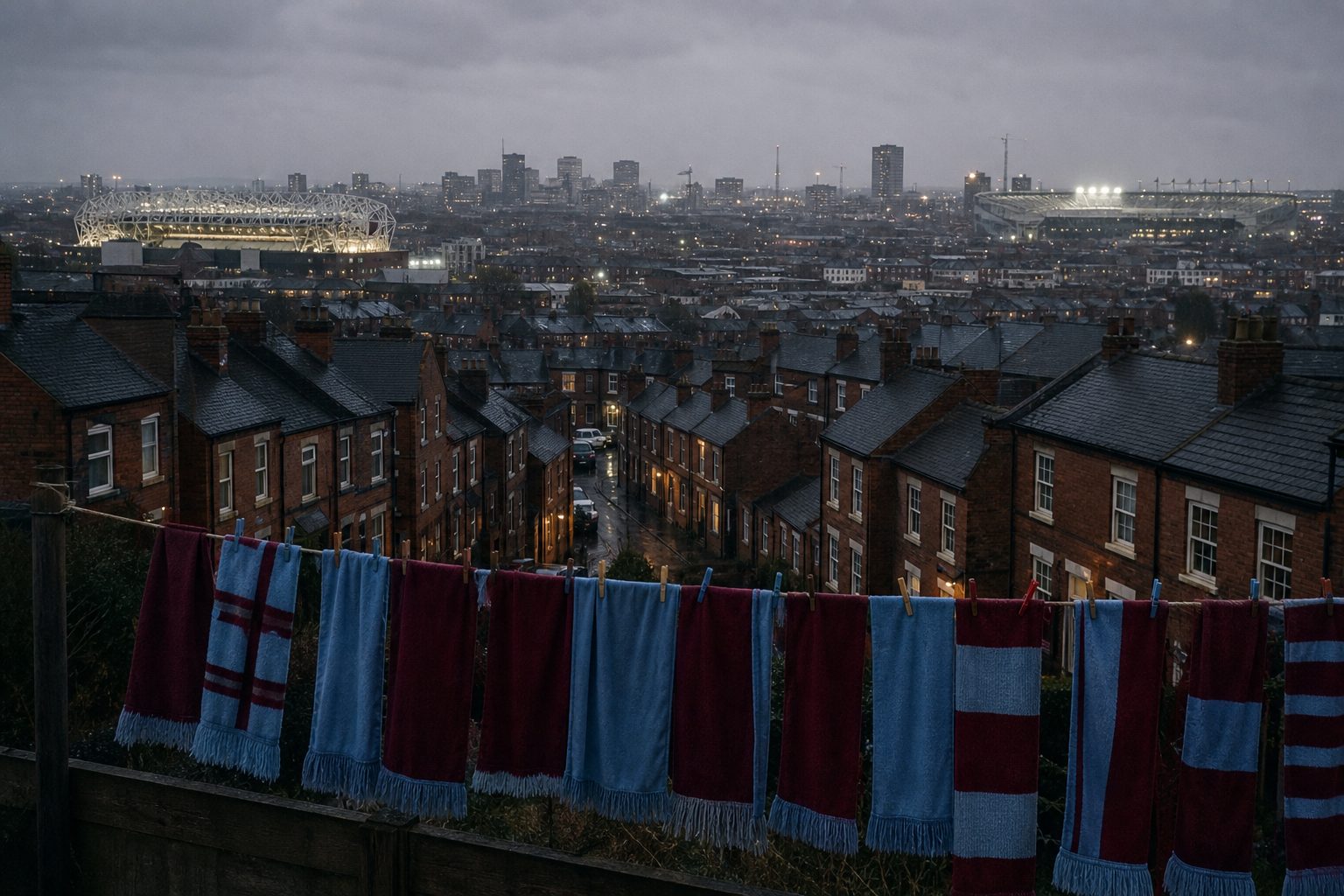
Few rivalries in English football are as lopsided on paper as the one between Aston Villa and Birmingham City. Villa have seven FA Cups, seven league titles and the 1982 European Cup. Birmingham’s major honours amount to League Cups. Yet in the winter of 2010–11, for a few months, the distance between the two clubs looked smaller than at any time in living memory, and the arguments it provoked among supporters said a great deal about how a derby really works.
A season when the table refused to behave
Villa began the campaign in turmoil. Martin O’Neill walked out days before the opening game, and Gérard Houllier arrived in September to inherit a squad already stretched by injuries. Results slid, and the Holte End grew restless as the club spent much of the first half of the season far closer to the relegation zone than anyone had expected.
Birmingham, under Alex McLeish, were organised and hard to beat. The three derbies that season told the story: two league draws and a League Cup quarter-final at St Andrew’s that Birmingham won 2–1. For a fan base used to being reminded of its neighbour’s trophy cabinet, that run felt like something.
It mattered more because of what came next. Birmingham beat West Ham over two legs in the semi-final and then, on 27 February 2011, beat Arsenal 2–1 at Wembley, Obafemi Martins pouncing on a late defensive mix-up to win the League Cup. It was the club’s first major trophy since the same competition in 1963, when they had beaten Villa in the final.
Plenty of Villa supporters bristled at any suggestion that the gap had narrowed. Their case was sound in the long view: history, facilities, attendances and a stronger youth system all favoured Villa, and one good season does not reorder a city. The counter-argument was narrower and harder to dismiss. On the pitch, in that particular season, the clubs were very hard to separate.

Spending power and the Darren Bent signing
Villa answered in January the way big clubs do. They signed Darren Bent from Sunderland for a fee reported at £18 million, potentially rising to £24 million, a club record at the time. Bent scored on his debut and his goals pulled Villa clear. Some fans saw the deal as proof that the real gap, the financial one, had never moved at all.
Birmingham went the other way in the same window, adding experienced loan players rather than record buys. That contrast fed a familiar theme in Birmingham’s football: Villa supporters pointing to the size of their club, Blues supporters pointing to the table and to the trophy.
When players and managers cross the city
Cross-city transfers are rare in Birmingham because they are so badly received. Craig Gardner, brought through at Villa, joined Birmingham in January 2010 and was treated by some of his former fans as a deserter. Moves in that direction are always read as a statement about status, which is why they cause such heat.
None compared with the summer of 2011. Birmingham were relegated on the final day of the season, a dizzying fall three months after Wembley, while Villa recovered to finish ninth. Houllier stood down because of ill health, and in June Villa appointed Alex McLeish, the man who had just taken Birmingham down. Ron Saunders had crossed the city in the opposite direction in 1982, months before Villa won the European Cup without him, but this felt worse because it came so soon after a relegation. Protests outside Villa Park greeted the news, and the Birmingham support was no happier at the speed of his departure.
McLeish lasted one season. Villa finished 16th in 2011–12, only just above the drop, and he was dismissed in May 2012. Few appointments in the club’s modern history have been as unpopular from the first day.
The divide since then
The pendulum kept swinging in unexpected ways. Villa were relegated in 2016, and the two clubs spent three seasons together in the Championship before Villa won promotion through the play-offs in 2019. Birmingham dropped to League One in 2024 and came straight back up as champions a year later. The long gaps between derbies have done neither club much good, as anyone who remembers the noise of a full St Andrew’s on derby day will confirm.
Villa, meanwhile, grew under Unai Emery into a Champions League side, and in league terms the old order is firmly back in place. That makes 2010–11 look stranger with every passing year: the one season when a League Cup, three tight derbies and a manager’s walk across the city made the gap feel thin. Supporters who prefer to find the positives in following Villa could at least point out that the claret and blue lion on the Villa badge was still flying in the top flight when the season ended.
Sport, he said, should be played and watched like sport.