 ThreeMatchBan
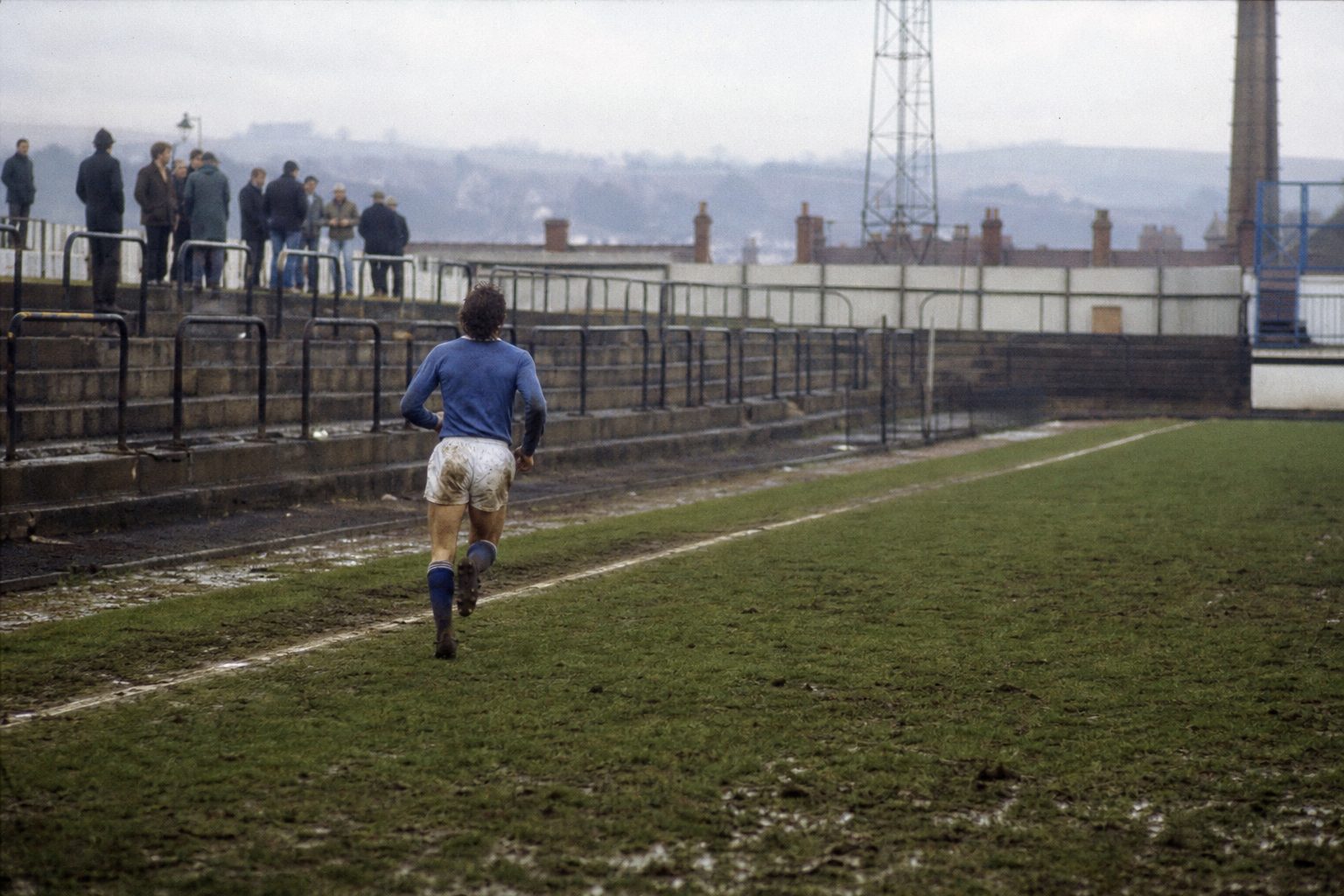
Few footballers have taken as unusual a route into English football as Tony Dorigo. Born in Melbourne with Italian family roots, he grew up in a country where football was a minority sport behind Australian rules and cricket. As a teenager he wrote to English clubs asking for a trial, and Aston Villa took him on. He went on to win a league title and play for England, the country he chose over Australia.
Villa Park apprentice
Dorigo came through the youth ranks at Villa in the early 1980s, the era of the club's league title and European Cup triumph, and broke into the first team as an attacking left-back. He was quick, comfortable on the ball and keen to get forward, a style that was still slightly unusual for English full-backs of the time. By the mid-1980s he was an England Under-21 international.
Villa, though, were declining fast after their European peak, getting through managers and selling the stars of 1982. When the club was relegated in 1987, Dorigo moved on, heading south to London and a club with problems of its own.
Chelsea and the Full Members' Cup
He joined Chelsea, who were themselves relegated at the end of his first season, then bounced straight back as Second Division champions in 1988–89. Dorigo was one of the most popular players at Stamford Bridge in those years, and his free kick won the 1990 Full Members' Cup final against Middlesbrough at Wembley, a modest trophy that Chelsea supporters of the period remember with real affection.
His England debut came in 1989, and he was part of Bobby Robson's squad at the 1990 World Cup in Italy, playing in the third-place match against the hosts in Bari.
Champions with Leeds
In 1991 Howard Wilkinson signed Dorigo for Leeds United. It proved an inspired move. Leeds won the last old First Division title in 1991–92, edging Manchester United, with a side built on Gordon Strachan, Gary McAllister, David Batty and Gary Speed in midfield and Lee Chapman's goals. Dorigo was the first-choice left-back throughout, overlapping down the left in a side that lost only four league games all season.
He stayed at Elland Road until 1997 and then tried his luck in Italy with Torino, a natural choice given his family background. Spells at Derby County and Stoke City brought his career to a close. Afterwards he moved into broadcasting as a summariser and pundit, and he has remained a familiar figure around Leeds.
His England career brought 15 caps. In another era, with fewer gifted left-backs around, it might have been many more; Stuart Pearce stood in his way for most of it.
The pin-up years
Dorigo is also remembered for something less tangible. With his tanned looks and neat haircut he was one of the more unlikely heart-throbs of late 1980s football, a face found on bedroom walls as well as in sticker albums at a time when footballers were only just becoming pin-ups. It seems quaint now, in an age of image rights and personal brands, that a left-back with a good haircut could cause a stir. Fans who collected stickers then will remember his face peering out of the Chelsea and Leeds pages.
More on Tony Dorigo
For the clubs that shaped his career, see the Aston Villa hub, the history of the Chelsea badge and the Leeds United badge story, which covers the crests worn by the 1992 champions. A later Leeds midfielder, who joined in 1994, gets a light-hearted treatment in a pictorial analysis of Carlton Palmer. And the sticker albums in which Dorigo's face appeared are celebrated in a love letter to collecting football stickers.