 ThreeMatchBan
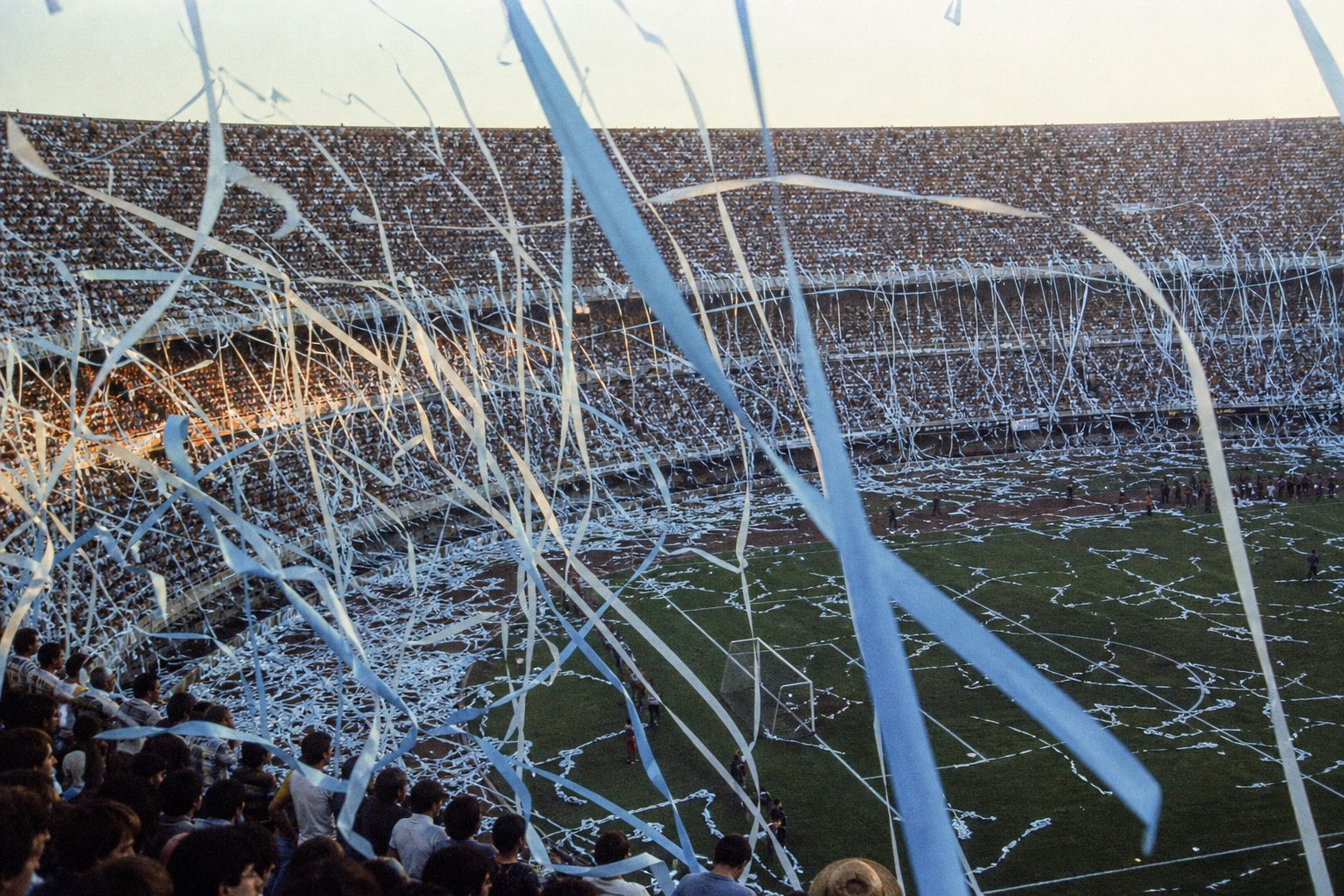
Argentina has won three World Cups, more Copa América titles than any other nation and a place in football's imagination that goes far beyond its trophies. It is the country of Alfredo Di Stéfano, Diego Maradona and Lionel Messi, of Boca Juniors and River Plate, of crowds that turn stadiums into clouds of paper and smoke. And it is the home of a very particular idea about how the game should be played.
Three World Cups, three very different teams
The first came at home in 1978. César Luis Menotti's side, led by the long-haired striker Mario Kempes, beat the Netherlands 3–1 after extra time in Buenos Aires, amid ticker tape and a military dictatorship that used the tournament for its own ends. Two of that squad, Osvaldo Ardiles and Ricardo Villa, moved to Tottenham that summer and opened English football's eyes to South American players.
The second belonged to one man. At Mexico 1986 Maradona scored both goals against England in the quarter-final, the first with his hand, the second after a run from his own half that is still the most replayed goal in the history of the World Cup. Argentina beat West Germany 3–2 in the final.
The third took 36 years. In Qatar in December 2022 Messi finally completed his collection, scoring twice in a 3–3 draw with France before Argentina won the shoot-out. It is widely regarded as the greatest World Cup final ever played. Copa América wins in 2021, at the Maracanã against Brazil, and 2024 in Miami against Colombia, made it a golden spell to rival any in the country's history.
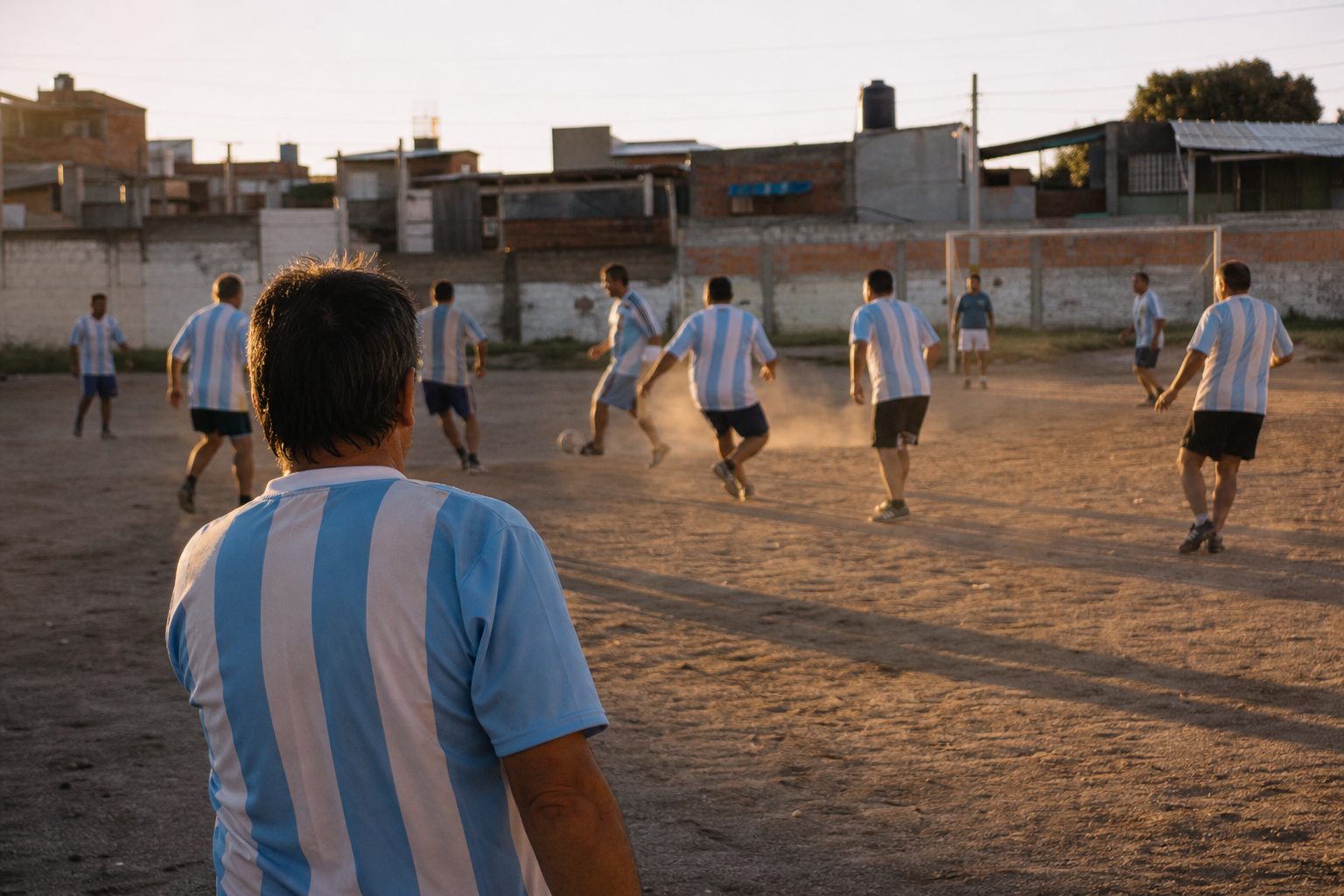
The enganche: Argentina and the number 10
Argentine football has its own vocabulary. The playmaker who sits between midfield and attack is the enganche, literally "the hook", and the role is so closely tied to the number on the shirt that people simply call it "the 10". Shirt numbers mean slightly different things there: a 5 is the defensive midfielder who protects the back line, an 8 is the all-round runner. The 10 is the artist, and Argentina has produced them in absurd numbers: Maradona, Juan Román Riquelme, Ariel Ortega, Pablo Aimar, Javier Pastore and Messi among them.
The role has always been controversial. A classic enganche barely tracks back, and coaches from Marcelo Bielsa onwards have argued over whether a modern team can afford one. Riquelme's slow, unhurried genius at Boca and Villarreal became the centre of that argument for a decade.
Boca, River and the domestic game
Domestic football is fierce and frequently chaotic. The Superclásico between Boca Juniors and River Plate is one of the great derbies on earth; the 2018 Copa Libertadores final between the two had to be moved to Madrid after Boca's team bus was attacked on the way to the second leg. Independiente, from Avellaneda, hold the record for Copa Libertadores wins with seven. The flow of talent to Europe never stops, which is why so many of the best young Argentine players are already abroad before most fans in England have heard of them.
Some of those exports found their way to England in unexpected roles, from Ardiles and Villa at White Hart Lane to Nelson Vivas, a versatile defender in Arsène Wenger's Arsenal squad at the turn of the century.
More on Argentina
Riquelme gets a pen-and-ink tribute in the gallery of world football characters drawn as cartoons, the piece that carries this tag. The enganche tradition gets a full analysis in the study of Argentina's embarrassment of playmaking riches. The squad and the players left out of it are dissected in the 2011 Copa América guide to the giants, Argentina and Brazil, a tournament Argentina hosted and Uruguay won. Paulo Dybala, then at Instituto de Córdoba in the second tier, leads the young talents scouted in the Latin wonderkids report from 2012. Maradona himself is one of the faces to name in the star of world football sticker quiz. And the Arsenal defender gets his own short hub on the Nelson Vivas page.