 ThreeMatchBan
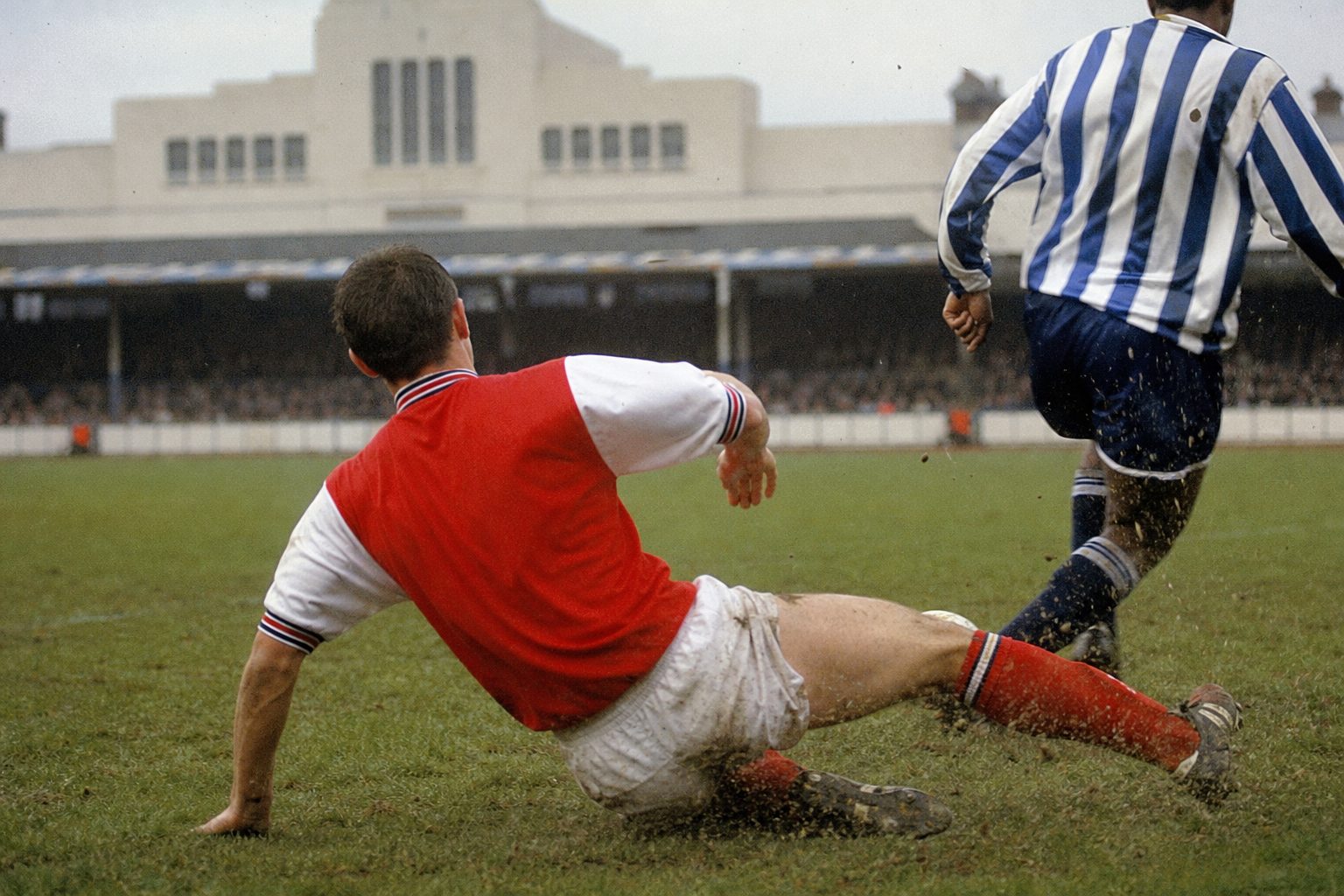
Nelson Vivas arrived in English football in the summer of 1998 as one of the least heralded signings of a remarkable period at Arsenal. The Argentine defender came from Boca Juniors, where he had been part of the squad in the mid-1990s, and he joined a club that had just won the league and FA Cup Double in Arsène Wenger's first full season. He was an Argentina international, small for a defender and comfortable on either flank or in midfield, and he had been brought in to do a job that rarely makes headlines: cover.
Every great side needs a player like that. Few supporters remember them.
From Quilmes and Boca to north London
Vivas began his career at Quilmes, a club from the southern suburbs of Buenos Aires, before moving to Boca. Argentine football in the 1990s exported players at an extraordinary rate, and most of them went to Spain or Italy, where the language and the style of play felt closer to home. A move to England was still unusual for an Argentine then. Osvaldo Ardiles and Ricardo Villa had made it work at Tottenham two decades earlier, but the Premier League of 1998 had only a handful of South Americans.
That makes the signing a small piece of Wenger's wider revolution. The Frenchman was building a squad from markets English clubs had barely scouted, and Freddie Ljungberg arrived from Sweden the same summer, with Nwankwo Kanu following from Inter a few months later.
Life behind the famous back four
The difficulty for Vivas was obvious from the start. Arsenal's defence of that era was one of the most celebrated in the history of English football: David Seaman in goal, Lee Dixon and Nigel Winterburn at full-back, Tony Adams and Martin Keown in the middle. They had played together for years under George Graham and were persuaded by Wenger to change their diets and extend their careers. Breaking into that line-up was close to impossible, so Vivas became the reliable deputy, filling in on either side when injuries or suspensions struck.
Arsenal kept competing at the top during his time in north London. In 1998–99 they finished a single point behind Manchester United, the season of the treble. A year later they reached the UEFA Cup final, losing on penalties to Galatasaray in Copenhagen, and in 2001 they lost the FA Cup final to Liverpool after leading until the last few minutes, when Michael Owen scored twice.
Spain, Italy and home again
Vivas spent part of his Arsenal years on loan at Celta Vigo in La Liga, and in 2001 he moved to Inter in Serie A, a reminder of how highly versatile defenders were valued on the continent. He later returned to Argentina to play for River Plate, crossing the most bitter divide in the country's football after his years at Boca, and wound down his playing career at home before moving into coaching.
His spell in England was short and modest, yet it belongs to the story of how the Premier League opened up to the world at the end of the 1990s. He was one of the first Argentines to wear Arsenal red, a path later followed by Emiliano Martínez, who joined the club as a teenager and went on to win the 2022 World Cup in goal for Argentina.
More on Nelson Vivas
The wider story of the country he came from, from Kempes to Messi and the art of the number 10, is told in the Argentina hub. One of the defenders he spent years understudying is now a television pundit, and his unsettling stare is the subject of the piece on Martin Keown's chillingly entertaining Match of the Day appearances. For a matchday at Arsenal now, there is the away fan's pub guide to Arsenal and the Emirates. Midfield artistry of a different kind is celebrated in the tribute to Ireland's skilful midfielders in the mould of Liam Brady. And the playmakers Argentina kept producing while defenders like Vivas did the hard work are profiled in Argentina's embarrassment of riches.