 ThreeMatchBan
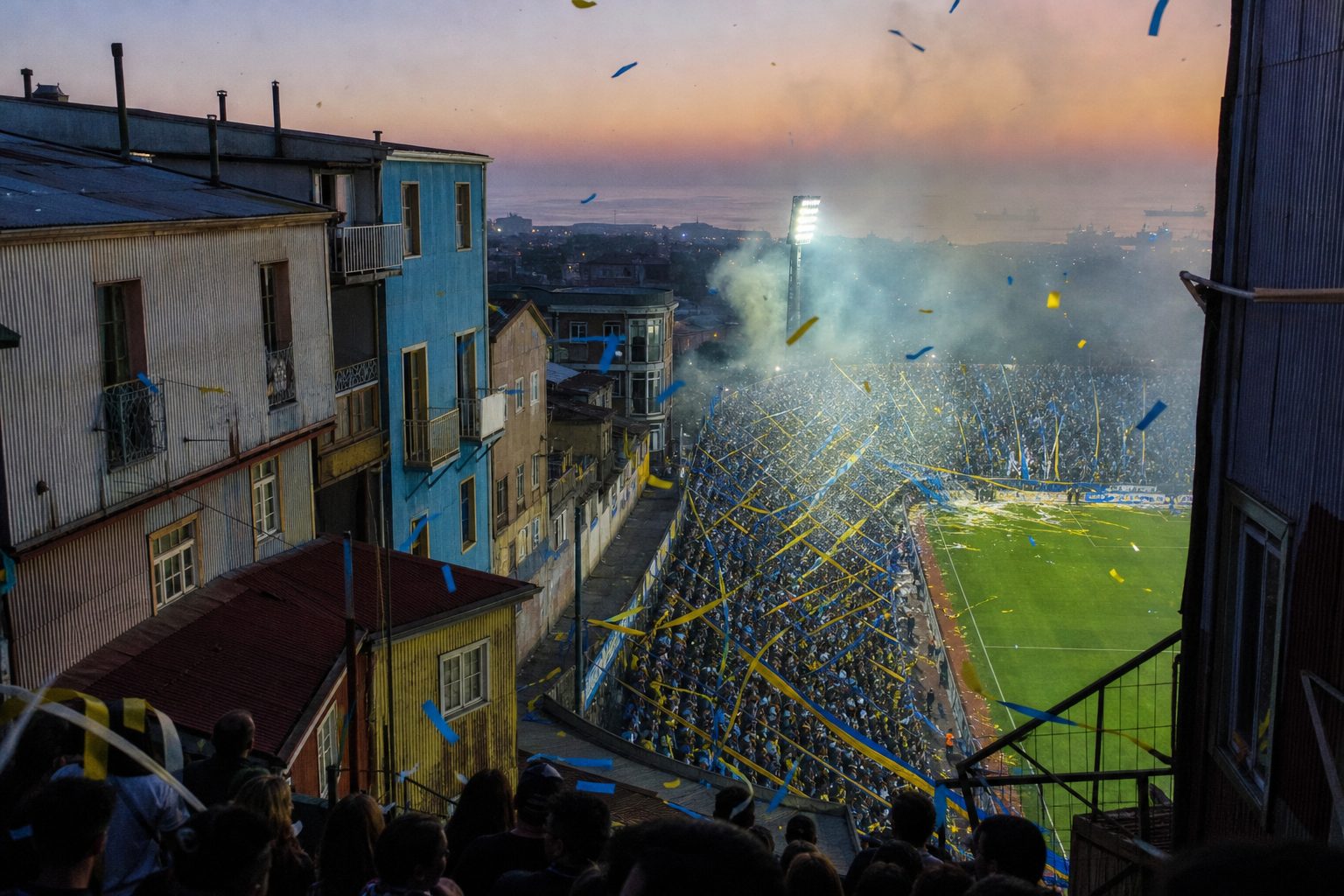
Argentina's top division is one of the oldest leagues in the world. Football arrived with British railway workers and schoolteachers in the nineteenth century, an amateur championship was being played in Buenos Aires by the 1890s, and the professional Primera División began in 1931. Ever since, it has produced some of the most gifted players on earth, usually for a very short time before Europe takes them away.
The big five
Five clubs have dominated Argentine football: Boca Juniors and River Plate, the two giants of Buenos Aires, plus Independiente, Racing Club and San Lorenzo. The first two contest the Superclásico, a fixture with roots in the old dockside district of La Boca, where both clubs were born before River moved north to the wealthier Núñez. River hold the most league titles; Boca the most international honours of the pair. Independiente, from Avellaneda, have won the Copa Libertadores seven times, more than any other club.
Away from the big five, the league is packed with clubs that have their own fierce identities: Estudiantes de La Plata, Vélez Sarsfield, Newell's Old Boys and Rosario Central, whose city derby in Rosario rivals anything in Buenos Aires for intensity. Lionel Messi played as a small boy in the Newell's youth teams before leaving for Barcelona at 13, and Marcelo Bielsa made his name as a coach there, winning the league in 1991. The club's stadium now carries Bielsa's name.
Apertura, Clausura and constant tinkering
For two decades from 1990 the season was split into two short championships, the Apertura and the Clausura, each producing its own champion. Relegation was decided by a points average over three seasons, a system designed to protect the big clubs that still could not save River Plate, who went down in 2011. Since then the format has changed repeatedly, with the league expanding to as many as 30 clubs and cup competitions bolted on. Argentines tend to shrug: the football matters more than the structure, and nobody in Avellaneda or Rosario judges a season by the format sheet.
The enganche and the players who leave
Argentine football has its own vocabulary. The enganche, literally the hook, is the playmaker between midfield and attack, traditionally wearing the number 10. Diego Maradona is the archetype, but the list is endless: Juan Román Riquelme at Boca, Ariel Ortega at River, Pablo Aimar, Javier Pastore. Riquelme in particular became the symbol of a slower, more deliberate style, adored in Buenos Aires and never fully understood in Barcelona, though Villarreal got the best of him in Spain.
The export business shapes everything. Clubs survive by selling young players to Europe, and supporters accept that a teenage forward who dazzles in the Clausura may be gone by the next. The best-known veterans often come back at the end, Riquelme to Boca, Carlos Tevez to Boca, to finish where they began.
Maradona himself returned to Boca in the 1990s. The crowd forgave him everything.
More on Argentine football
The playmaker tradition is examined in detail in a piece on Argentina's embarrassment of riches in the enganche role, which runs from Maradona to Pastore. Riquelme is one of the faces drawn in a set of cartoons of world football characters, alongside Carlos Valderrama and Michael Laudrup.
The national team and its stars feature in the guide to Argentina and Brazil at the 2011 Copa América, a tournament Argentina hosted. Future exports appear in a look at South America's wonderkids, which picked out a young Paulo Dybala at Instituto. Maradona also turns up in the star of world football sticker quiz, and the neighbouring league has its own Brazilian Série A hub.