 ThreeMatchBan
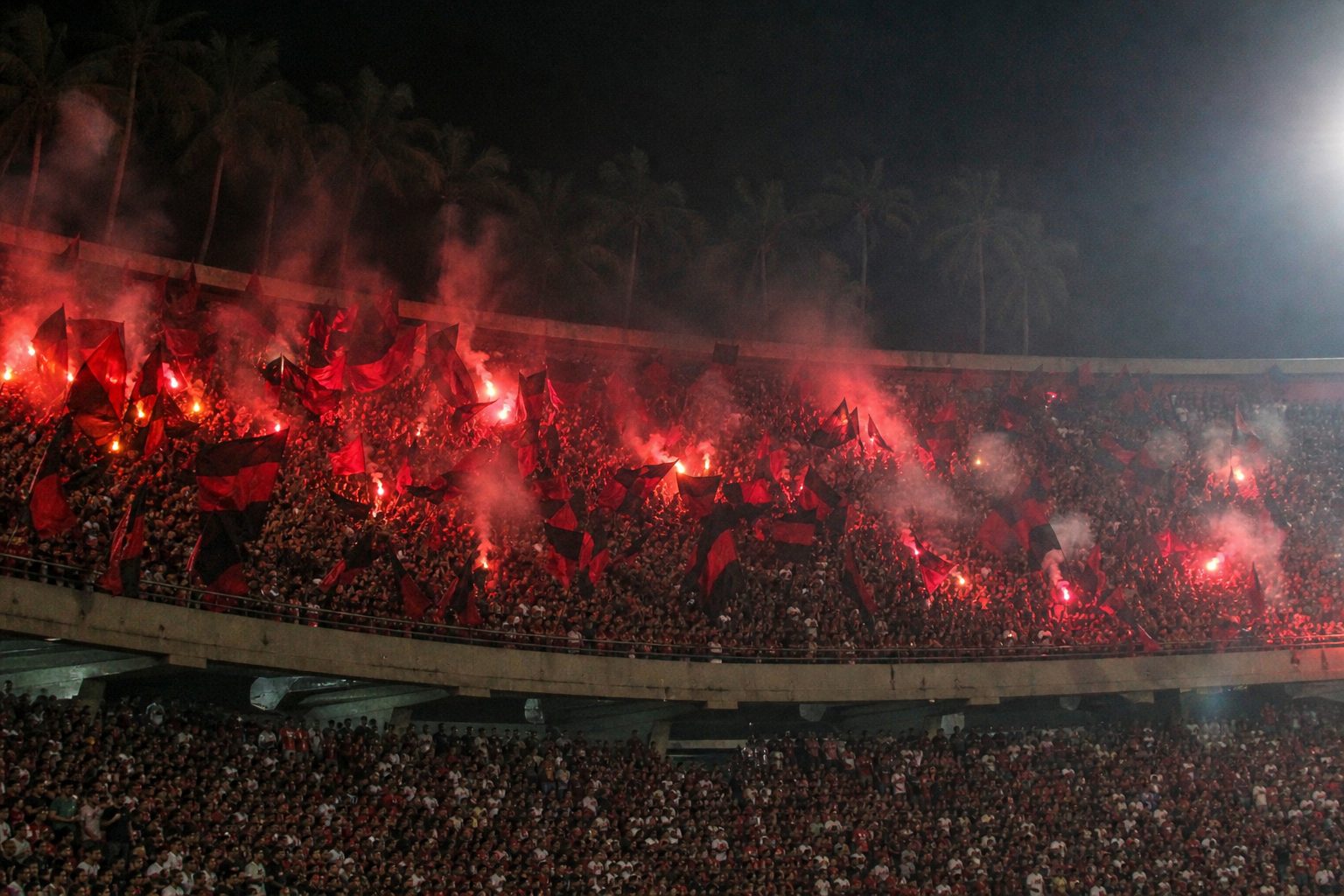
Brazil's national league, the Campeonato Brasileiro Série A, is younger than its fame suggests. For most of the twentieth century Brazilian football was organised around fiercely contested state championships: the Carioca in Rio de Janeiro, the Paulista in São Paulo, the Mineiro in Belo Horizonte and the Gaúcho in Porto Alegre. A truly national league only began in 1971, although the Brazilian football confederation later recognised the earlier Taça Brasil and Robertão competitions from 1959 onwards as national titles too.
The big twelve
Brazil has more genuinely big clubs than almost any country. Rio has Flamengo, Fluminense, Vasco da Gama and Botafogo. São Paulo has Corinthians, Palmeiras, São Paulo FC and Santos, Pelé's club. Belo Horizonte has Atlético Mineiro and Cruzeiro; Porto Alegre has Grêmio and Internacional. Each has won the national title, each has a vast support, and each has endured at least one relegation scare. Several have gone down, including Palmeiras, Corinthians and Vasco, and Santos dropped out of Série A for the first time in their history in 2023.
Palmeiras hold the most national titles. Flamengo have the largest following, with fans spread right across the country rather than concentrated in Rio, and their 1981 side, led by Zico, beat Liverpool 3–0 in Tokyo to become world club champions.
How the league works
For three decades the competition changed format almost every season, with group stages, play-offs and sometimes well over 40 clubs. Since 2003 it has been a straightforward double round-robin, with 20 clubs since 2006, the champion decided on points and four clubs relegated to Série B. Cruzeiro won the first title under that system with a points haul nobody has matched since. The season now broadly runs through the calendar year, which puts it out of step with Europe and leaves the best young players at the mercy of the European transfer window.
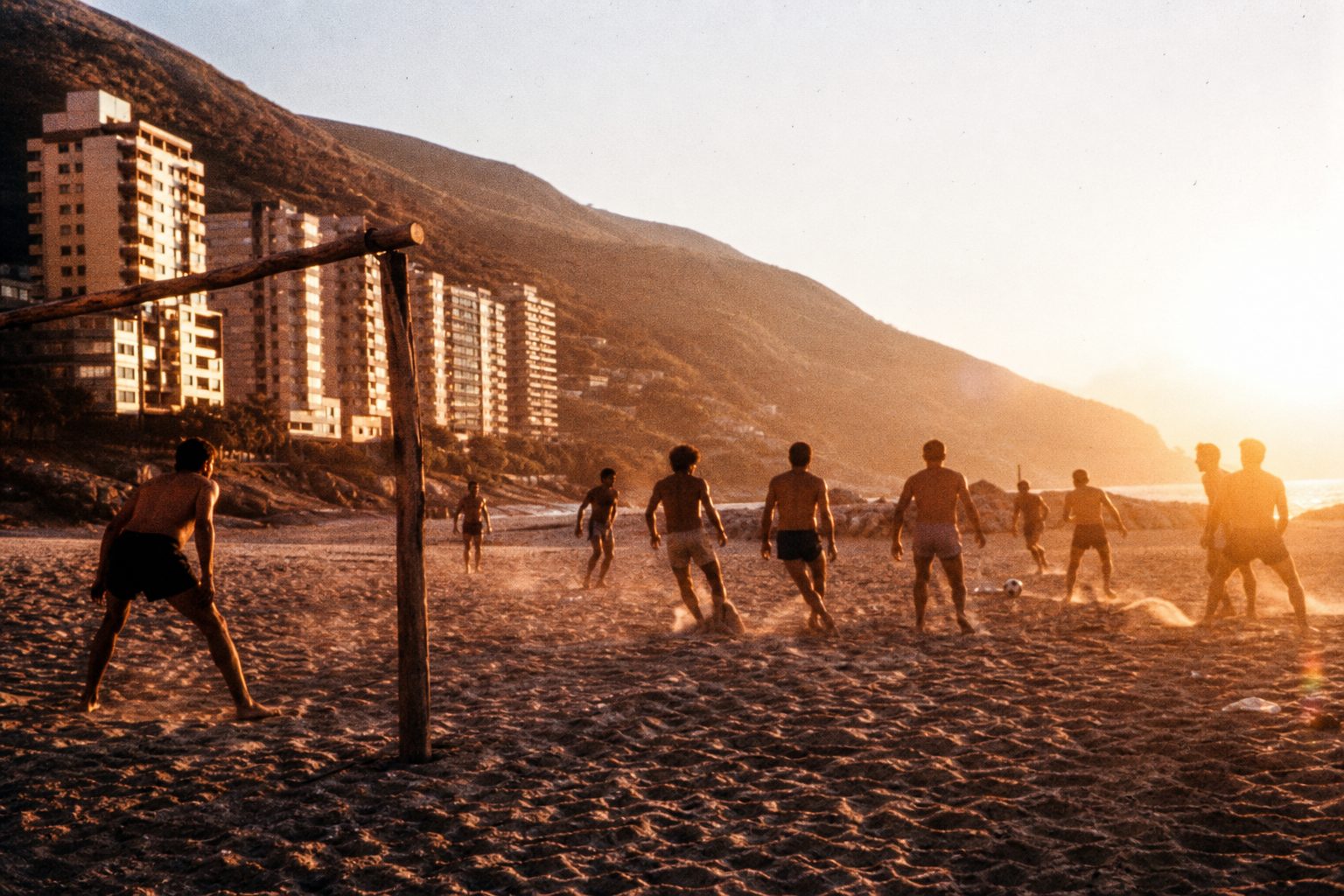
That export trade defines the modern league. Ronaldo left Cruzeiro for PSV as a teenager; Neymar left Santos for Barcelona in 2013; Vinícius Júnior left Flamengo for Real Madrid at 18. The league is a shop window as much as a competition, and supporters have learned to enjoy their best players while they can. A teenager who dazzles in April may be in Lisbon, Porto or Madrid by September.
Foreign legends in a Brazilian league
Imports who succeed in Brazil earn a special kind of devotion. The Chilean defender Elías Figueroa captained Internacional to back-to-back national titles in 1975 and 1976 and is still regarded in Porto Alegre as one of the greatest players ever to appear in the league. The Serbian playmaker Dejan Petković became a cult hero at Flamengo, scoring a famous late free kick to win the Rio state championship in 2001 and later helping the club to the 2009 national title.
Older returning stars are part of the tradition too, and crowds turn out in huge numbers to welcome them home. Romário went back to Vasco and Flamengo, Ronaldinho to Flamengo and Atlético Mineiro, where he won the Copa Libertadores in 2013.
More on Brazilian football
Petković's unlikely path from Red Star Belgrade to Rio is told in full in the player profile of Dejan Petković. Figueroa features in a piece on great players most fans have never heard of, alongside Mágico González and Vassilis Hatzipanagis.
For the national team and the clubs that feed it, see the guide to Argentina and Brazil at the 2011 Copa América. Young talent from across the continent appears in a look at South America's next generation of wonderkids. The great rival league next door has its own Argentine Primera División hub.