 ThreeMatchBan
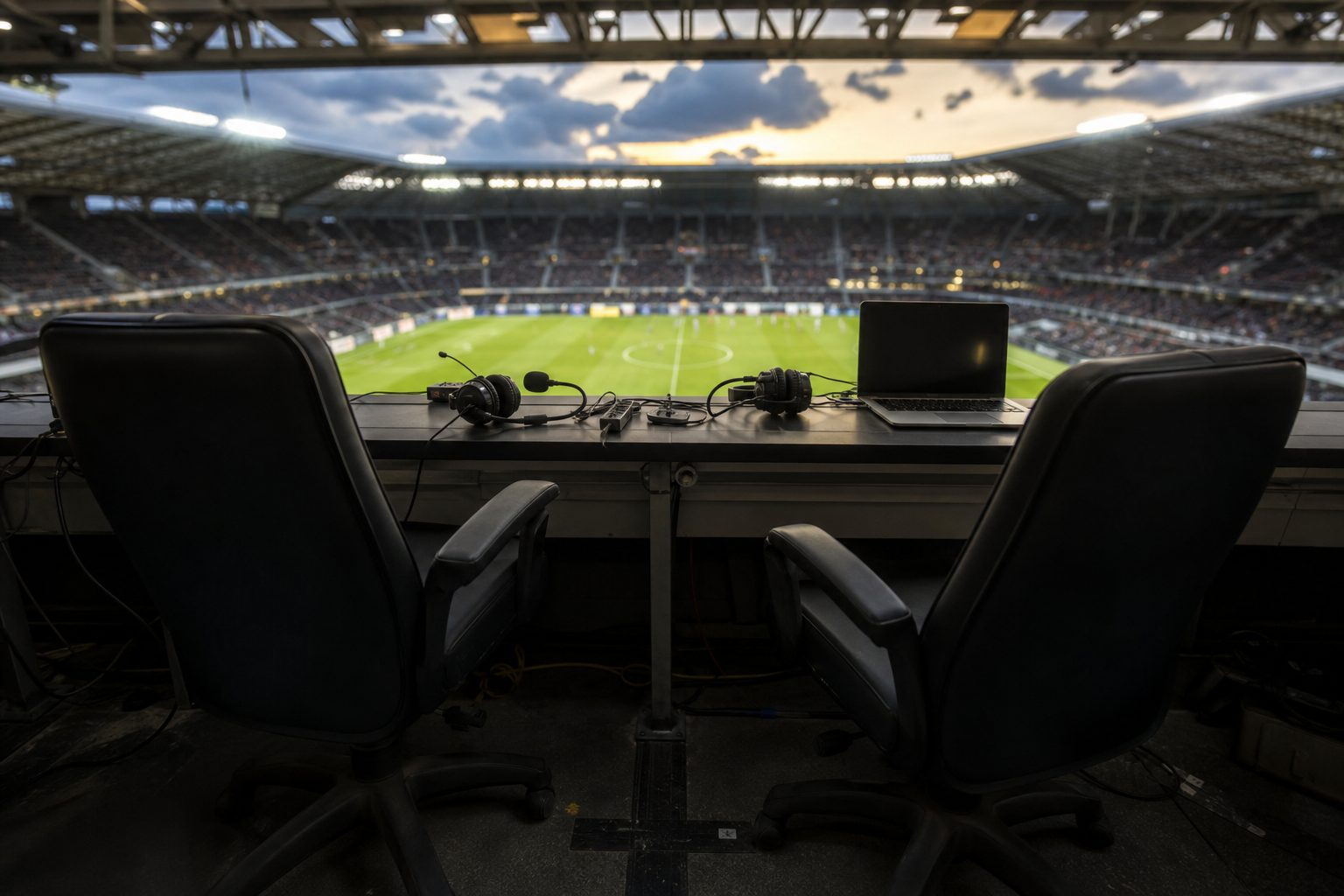
"Where's the referee from?" Mark Lawrenson asked pointedly during Belgium against Panama at the 2018 World Cup, in the tone of a man who suspected the answer would be somewhere that did not serve a proper breakfast. He had already grumbled that free kicks were taking too long. Belgium won 3–0, Romelu Lukaku scored twice, and the BBC's veteran summariser sounded as though he had been sentenced to watch it.
Lawrenson was not alone. Across the first week of the tournament in Russia, Martin Keown and Danny Murphy regularly joined him in serving up a thick soup of gloom, delivered with an overload of sincerity, while a summer of goals and late drama unfolded in front of them.
The chorus of despair
England opened against Tunisia in Volgograd, and in the early minutes Jesse Lingard was flagged offside as he went clean through. "How can that be offside? He's only marginally offside," said Keown, alongside Guy Mowbray, reaching for a decisive contribution and finding a contradiction instead. Harry Kane scored twice, including a stoppage-time winner, in a 2–1 win, but the co-commentary had a weight to it that seemed to belong to a different, much sadder match.
Murphy had his own moment in the thrilling 3–3 draw between Portugal and Spain in Sochi. Moments before Cristiano Ronaldo's late free kick, he suggested that it could not be put over the wall. Ronaldo curled it over the wall and into the net to complete his hat-trick.
Being wrong is part of the job. Nobody watches football for perfect predictions. The problem was the tone: a straight-faced seriousness that seemed designed to win the approval of other former professionals rather than to share the fun of a World Cup with the people at home.
It did not used to be like this
The number two on the gantry was not always occupied by earnest ex-players who either seemed to have fallen out of love with the game or were so focused on sounding authoritative that they forgot what the role was for. The best co-commentators of the past added warmth, stories and the occasional laugh, and they did not treat every throw-in as a test of professional credibility.
Ally McCoist and the omelette
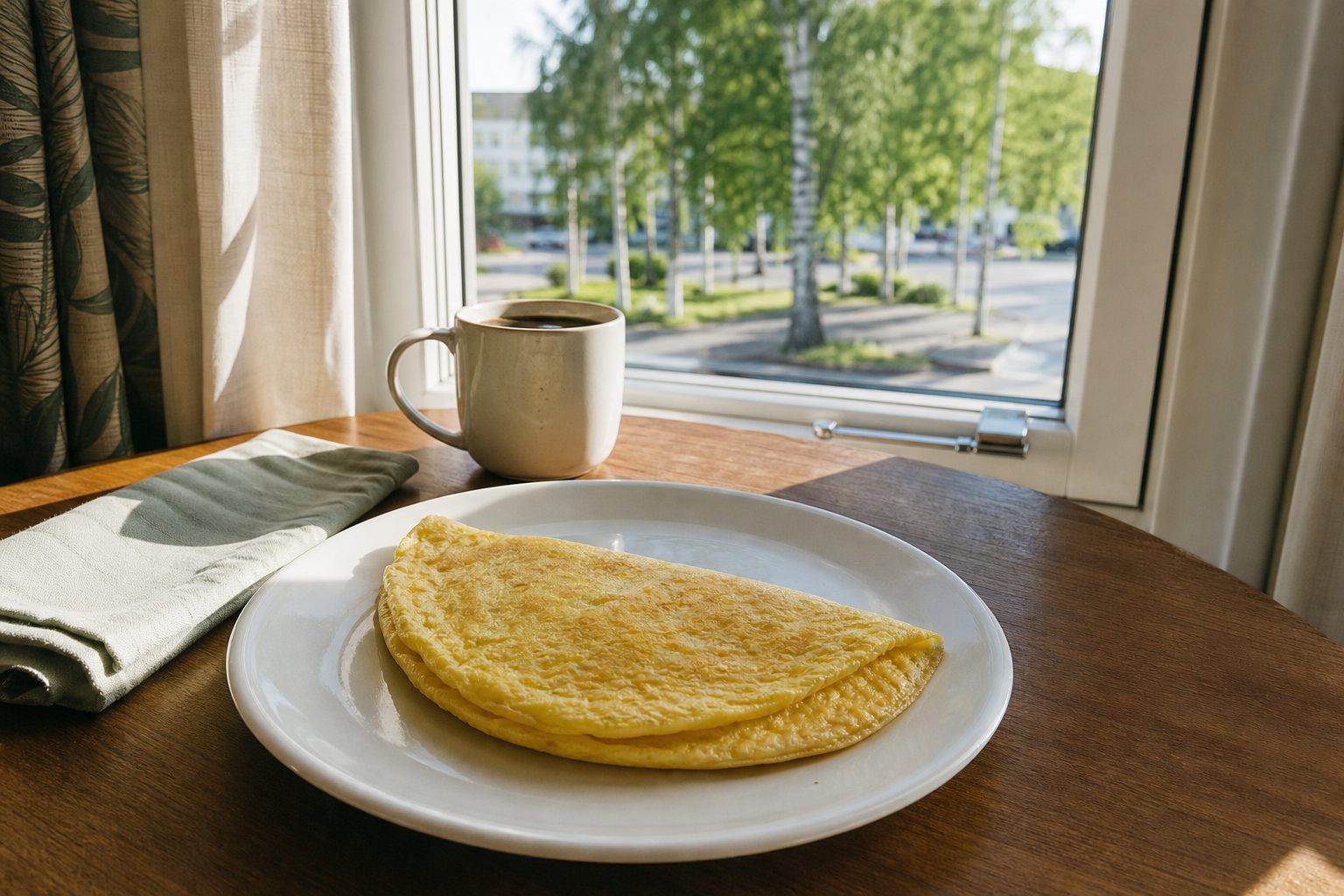
The exception in 2018 was Ally McCoist on ITV. He made no attempt to sound like a man reading out the agenda of a long and tedious meeting. Instead of echoing the main commentator, he happily shared opinions, stories from his playing days and, most memorably, his love for an omelette that Sweden's team chef had made him on the morning of their game against South Korea. Sweden won 1–0. McCoist seemed to take it as proof that good eggs produce good football.
"Ally McCoist nailing his colours to the mast on the basis of an exceptional omelette #myhero pic.twitter.com/W3ZS2D73Lh" (Leon Patterson, June 18, 2018)
He was far from the complete package. But he avoided the self-importance of his colleagues and shared the enthusiasm of the millions of fans who were fit to burst at the prospect of three games a day. A quick search of free photo libraries such as pxhere turns up endless pictures of microphones and headsets; none of them capture the sound of a co-commentator sighing, which was the defining noise of some broadcasts that June.
“For me, Clive”
The wistful question at the time was whether there was anyone else. Somebody with more than 15 years in and around the co-commentary seat, offering a more even view than the gloomy trio. Somebody who might not even be that good in the cold light of day, but who avoided self-aggrandising, was not relentlessly serious and had a sense of humour. Anyone who watched ITV with Clive Tyldesley in the 2000s will know which catchphrase was being hinted at.
England, meanwhile, ignored the mood on the gantry and went on their best run at a World Cup since 1990, beating Colombia on penalties and Sweden in the quarter-final before losing 2–1 to Croatia after extra time in the semi-final. France won the tournament, beating Croatia 4–2 in Moscow. It was one of the most entertaining World Cups in years, which made the misery in some of the co-commentary boxes all the more puzzling.
The debate has not gone away. Keown's intensity had already been noted on Match of the Day, ITV had faced its own studio controversies from the Robbie Earle affair in 2010 to its Euro 2012 set-up, and every tournament brings a fresh argument about who should sit in the second chair. McCoist's omelette remains the benchmark.