 ThreeMatchBan
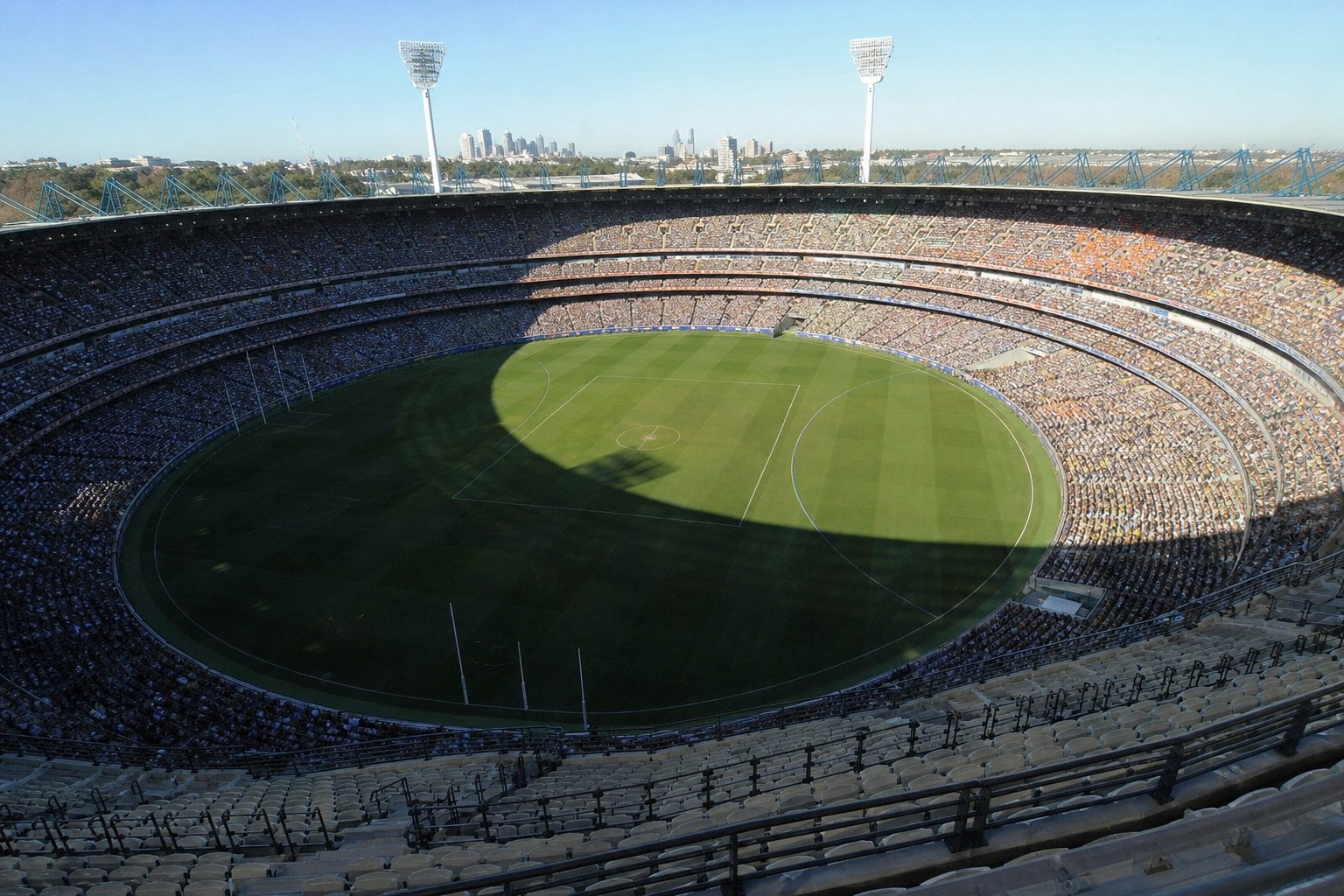
Of all the ways for a television pundit to leave a World Cup early, Robbie Earle's exit from ITV in June 2010 was among the strangest. He was not dropped for a gaffe on air or for a falling-out with the producers. He lost his job because of where some of his match tickets ended up.
The orange dresses
At the Netherlands' opening game against Denmark at Soccer City in Johannesburg, a group of women in identical short orange dresses was removed from the stadium by FIFA officials. The dresses were linked to the Dutch brewery Bavaria, which had no rights to advertise at the tournament, and the episode was treated as a case of ambush marketing. Two of the women were arrested and later released.
The tickets they had used were traced back to an allocation belonging to Earle. ITV, which had to protect its own relationship with FIFA and its official sponsors, decided that was enough and terminated his contract. Earle said the tickets had been meant for family and friends, called himself naive and said he had not known they would end up being used for a marketing stunt. Whatever the exact chain of events, he was out of the studio within days.
It was a harsh outcome. The broadcaster had little choice once FIFA were involved.
The player before the pundit
Earle's sacking overshadowed what had been a fine playing career. He spent the best part of a decade at Port Vale before joining Wimbledon in 1991, where he became one of the most reliable goalscoring midfielders in the top flight, arriving late in the box with the timing that made the "Crazy Gang" more than a long-ball punchline.
His proudest moment came at the 1998 World Cup in France. Playing for Jamaica, the Reggae Boyz, he headed in against Croatia in Lens to score his country's first ever World Cup goal. Croatia won 3–1 and went on to finish third, but the goal made Earle a national hero in Jamaica.
A studio full of clichés
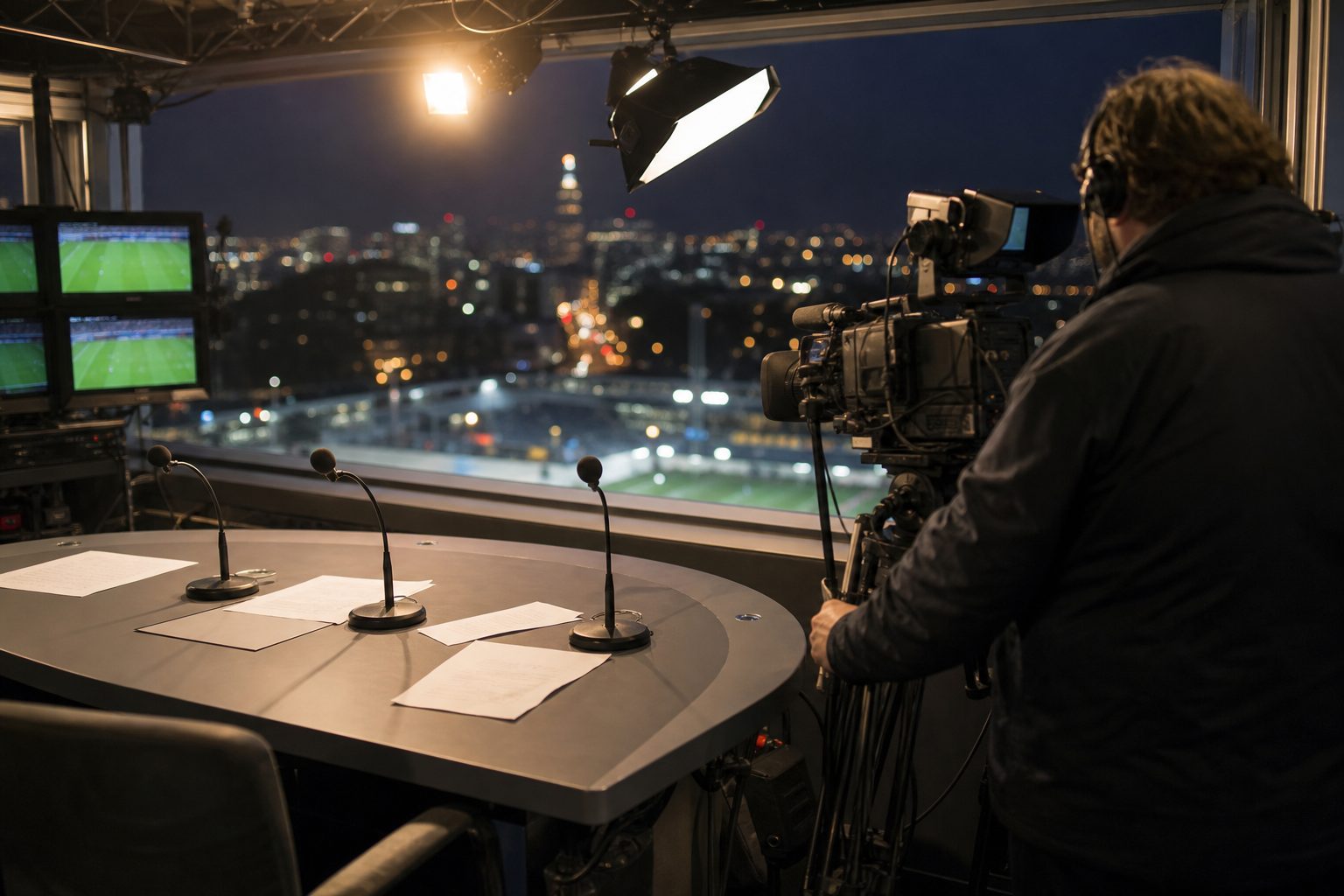
There was another side to the reaction in Britain, and it had little to do with tickets. For viewers who found ITV's coverage heavy on stock phrases, Earle's departure was greeted with a certain dry relief. Like many pundits of the era, he could fall back on the familiar lines: a team needing to "stand up and be counted", a player who "will be disappointed with that", a side that "wanted it more".
That was hardly unique to him. The 2010 World Cup was a difficult tournament for ITV in general. Its HD channel cut to an advert at exactly the moment Steven Gerrard scored England's goal against the United States in Rustenburg, so many viewers missed it live, and its studio was often judged second best to the BBC's. Earle was simply the pundit whose seat suddenly became vacant, and the jokes about clichés filled the space.
Life after ITV
The episode did not end his broadcasting career. Earle moved to the United States, where he became a familiar voice on American television coverage of the Premier League, bringing the measured, friendly style that some British viewers had found too cosy to an audience that took to it well.
The wider issue never quite went away either. Ambush marketing remained a headache for FIFA and its broadcasters at every tournament that followed, and a block of identical outfits in the stands became something security staff were trained to look for. ITV's later studios had their own peaks and troughs, as its Euro 2012 set-up showed, and the debate about punditry moved on to the gloom of serious, miserable co-commentary and the intense stare of Martin Keown on Match of the Day.
For anyone who sat through the long evenings of terrestrial TV tedium in that era, though, the memory of 2010 is oddly specific: a brewery stunt in orange, a pundit gone overnight and a studio that kept saying exactly the same things without him.