 ThreeMatchBan
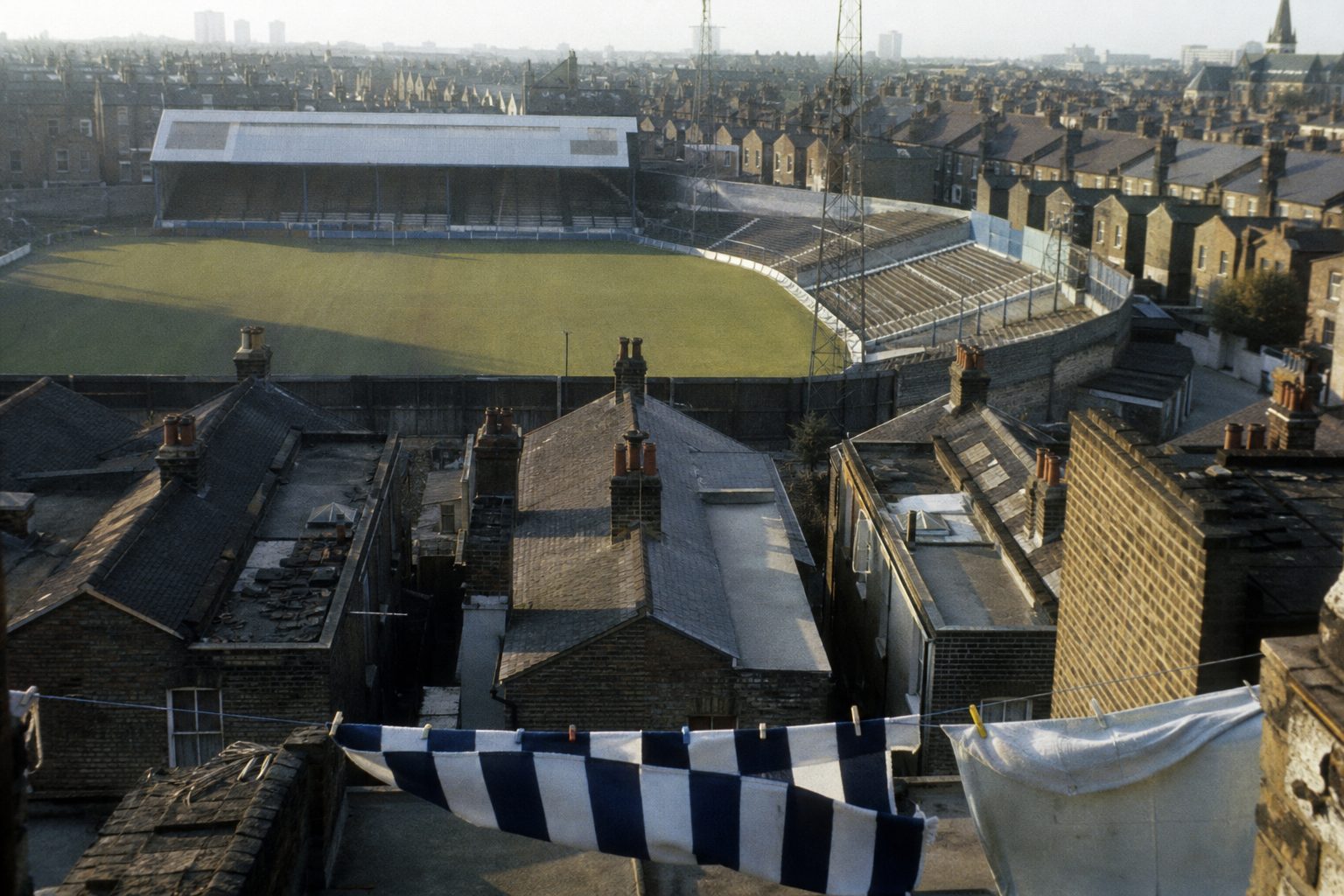
Queens Park Rangers have spent most of their history as a club that punches above its weight in style, if not always in silverware. Formed in 1886 from the merger of St Jude's Institute and Christchurch Rangers, the club wandered between grounds in west London before settling at Loftus Road in Shepherd's Bush. The hooped shirts, the tight stands pressed against the pitch and a long line of flamboyant forwards give the club an identity far larger than its trophy cabinet.
Wembley, 1967
The club's best-known triumph came in the first League Cup final staged at Wembley, in March 1967. QPR were a Third Division side, West Bromwich Albion were the holders, and Albion led 2–0 at half-time. Rangers came back to win 3–2, with Rodney Marsh scoring a solo goal that still turns up on every list of great Wembley moments. The same season they won the Third Division title, and promotion to the top flight followed soon after.
Bowles, Francis and nearly the title
The mid-1970s side under Dave Sexton was the best in the club's history. Gerry Francis captained England, Stan Bowles was the most gifted and unpredictable forward in London, and in 1975–76 QPR finished runners-up in the First Division, a single point behind Liverpool, after leading the table with one game left.
That second place earned a first European campaign. In the 1976–77 UEFA Cup Rangers reached the quarter-finals, where they went out to AEK Athens on penalties, and Bowles scored freely along the way. It is still the furthest the club has gone in Europe.
Loftus Road itself is part of the appeal. The four stands sit right on the touchline, the roof traps the noise, and visiting players have long complained that the place feels smaller and louder than it looks on television. For a home crowd that rarely tops a provincial gate, it has always been a useful weapon, and its awkward charm survived the move into the modern all-seater era.
Bowles is still the archetype of the Loftus Road maverick. Marsh before him and players like Les Ferdinand and Trevor Sinclair later kept the tradition going.
The plastic pitch and the Premier League
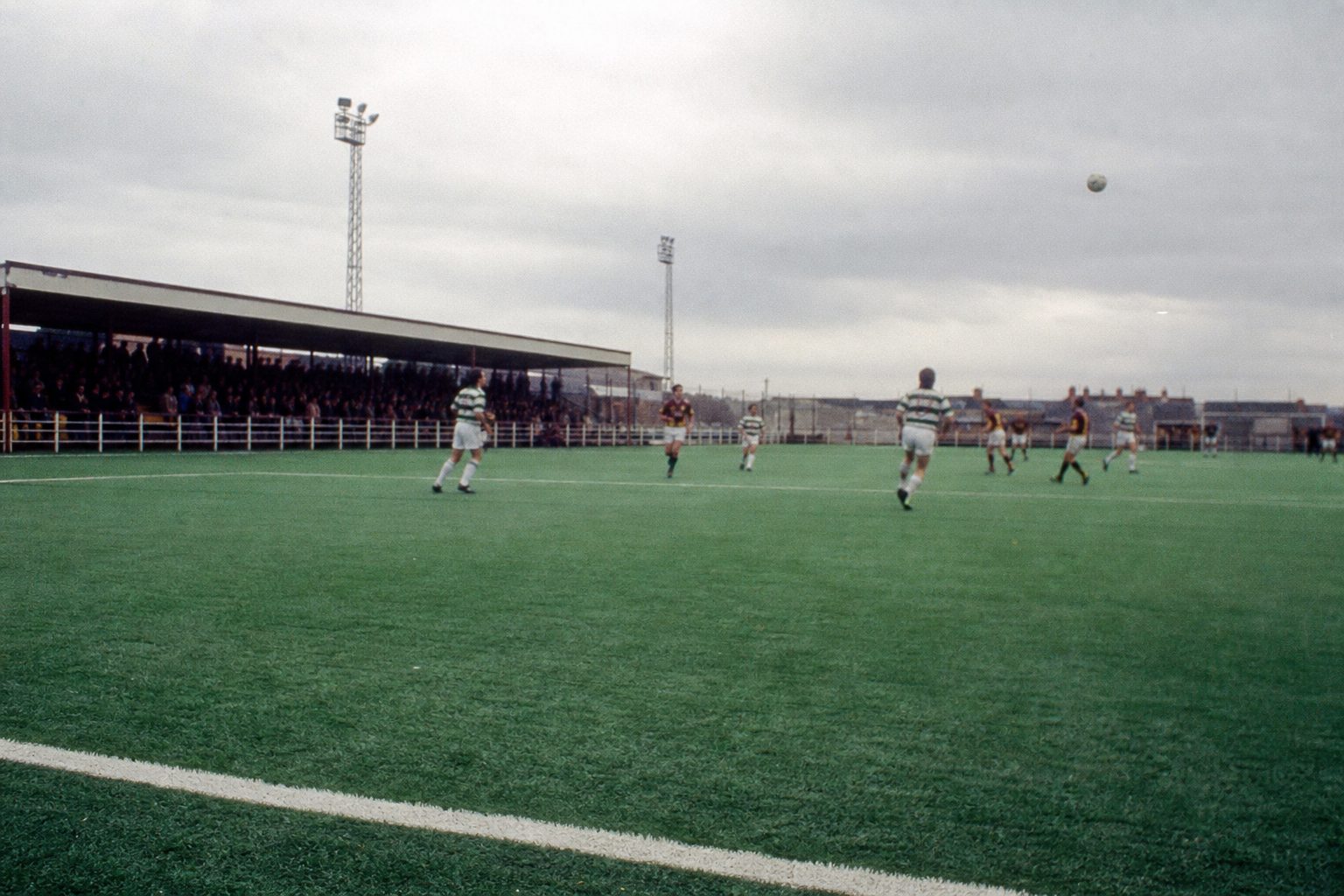
In 1981 QPR became the first top-level English club to install an artificial pitch, and they kept it until 1988. Visiting teams hated the high bounce; Terry Venables' side reached the 1982 FA Cup final while in the Second Division, losing to Tottenham in a replay. QPR were founder members of the Premier League in 1992 and finished fifth in its first season, the highest of any London club that year.
The decades since have been bumpy. There were relegations, financial crises, changes of ownership and a short return to the top flight from 2011. On the final day of 2011–12 Rangers lost 3–2 at Manchester City, conceding twice in stoppage time, yet stayed up because Bolton failed to win at Stoke. Two years later Bobby Zamora's late goal against Derby County in the Championship play-off final took them back up, although the stay lasted a single season.
Few clubs have been on the losing side of a more famous day and still celebrated afterwards.
More on QPR
One of the club's best-loved players and later its manager, Ian Holloway, has his own player profile. The 2012 afternoon at the Etihad is told from the other side on the Manchester City hub.
QPR turn up in odd places on the site. A farewell to Ceefax recalls that Bruce Rioch learned of his sacking as Rangers' assistant manager in 1997 by reading it on the teletext service. The financial reward for dropping out of the Premier League, a subject QPR know well, is examined in a piece asking whether clubs should be paid for relegation. And the free transfer XI of summer 2012 picks a team of out-of-contract players from the summer when Rangers were spending heavily to stay up.