 ThreeMatchBan
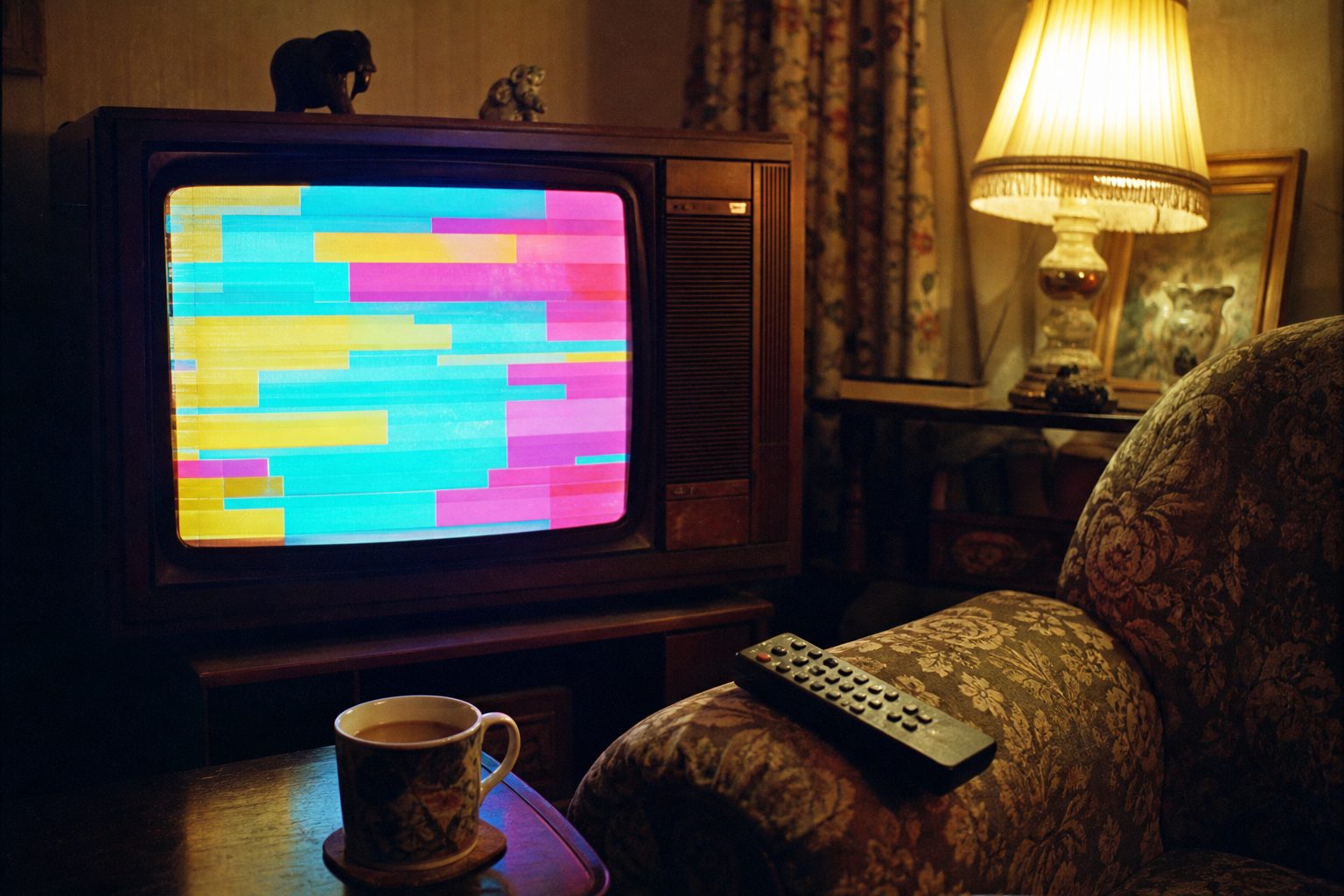
Its blocky graphics looked as if they had been coloured in with a box of crayons, it made you wait while the pages turned over, and in 1997 Bruce Rioch learned from it that he had been sacked as Queens Park Rangers assistant manager. It could only be Ceefax.
The BBC's text service went on air in September 1974 and was the height of information on demand in an analogue world. Before it, finding out the football results meant waiting for the news, the classified check on the radio or the pink Saturday sports paper. The service was finally shutdown in October 2012, when the last region switched to digital, after 38 years.
Bergkamp, page 301 and the shock of a transfer
Football fans of the 1980s and 1990s may remember it through slightly rose-tinted glasses, but its effect on football culture is hard to overstate. Dennis Bergkamp found that out when he signed for Arsenal in 1995.
“After the press conference we get back to the hotel. The deal's done, and we're in our room relaxing,” he wrote in his 2013 autobiography, Stillness and Speed. “As normal, I look up the sports headlines on teletext. We get the BBC in Holland so I know about Ceefax. I call up page 301 and I'm shocked. The first two lines are in huge letters: BERGKAMP JOINS ARSENAL. For the first time it hits me: ‘Woah! What's going on here?' I'm in this big country. I'm in London.”
It belonged to the same era as The Big Match and its successors, a time of shell suits, warehouse raves, Kickers shoes, Les Dennis, Rodney falling through the bar in Only Fools and Horses, Perry Groves and Bruce Forsyth's Price Is Right. If you wanted the league table, you were at the mercy of page 324 and its slow rotation.
The Saturday night ritual of the turning page
Picture the scene. You arrive home from a family meal in your dad's new Ford Orion, switch on the telly and wait for the page to turn so you can see your team's result. Few things matched that small thrill, and only people of a certain age will understand it.
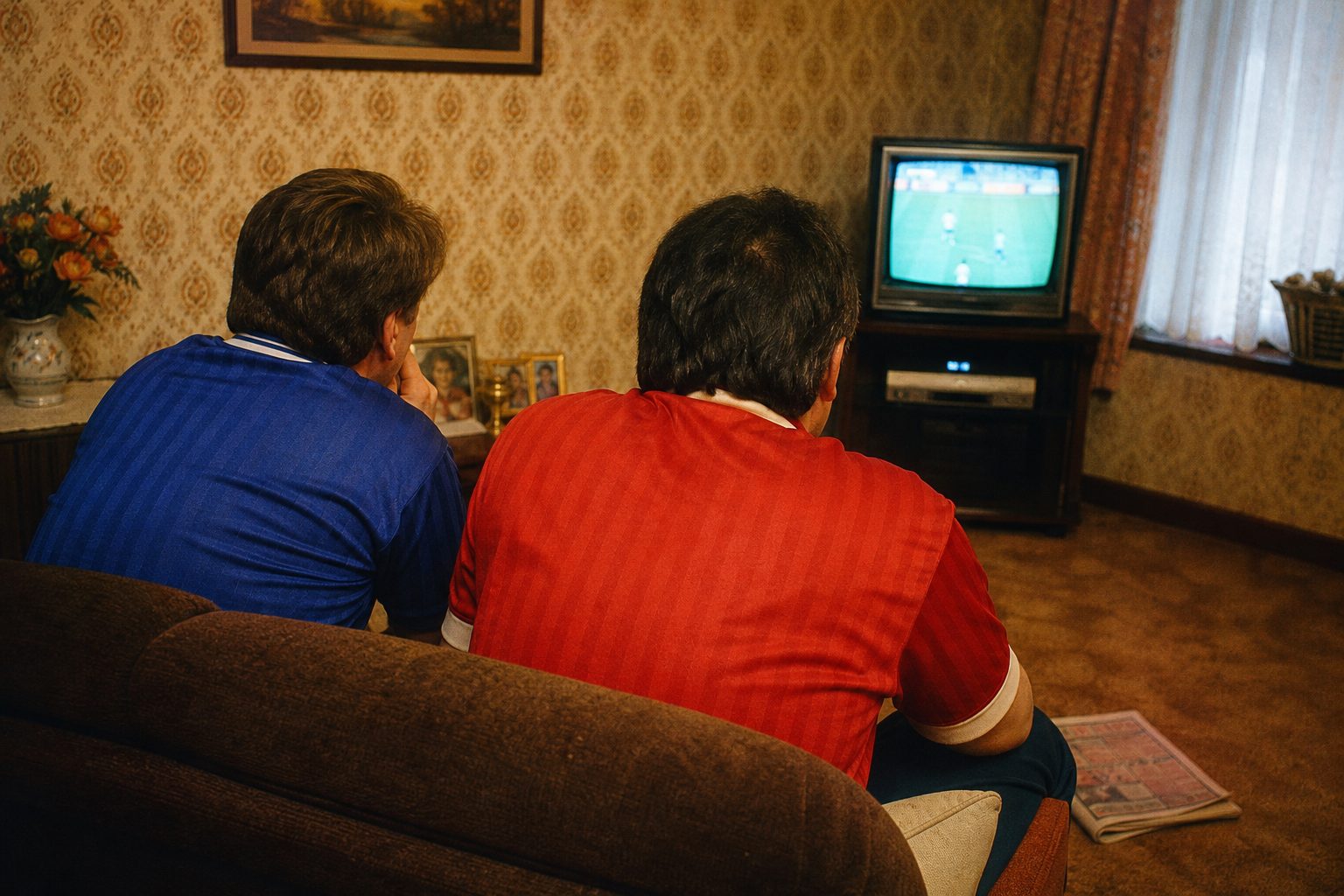
It sounds laborious in the age of instant notifications. At the time it was liberation. Ceefax meant nobody had to sit through the badminton on Grandstand waiting for the vidiprinter, and a curious teenager could browse the Serie A table at leisure, long before any British channel showed much foreign football, as the video age of football later would.
It was more than a statistician's toy, too. Ceefax could even land you a professional game in a televised FA Cup quarter-final. In 2001 Wycombe Wanderers, short of fit strikers, put out an appeal for players, and Roy Essandoh answered it. He scored the winner against Leicester City, one of the great cup stories, and he owed it to Ceefax and text-on-screen appeals.
Plain English in chunky letters
Look at it now and it hardly seems welcoming: a limited format, clashing colours, outsized letters and only a few short paragraphs per page. That simplicity was its strength. Every story had to be condensed and precise, and the Plain English Campaign gave Ceefax a lifetime achievement award for clarity and its use of everyday words.
Even the name was simple. It was called Ceefax because viewers could quickly "see facts".
Flicking through the sport pages was an idle pleasure for millions, often between rounds of Bamboozle on the rival Teletext service. At its peak in the 1990s around 20 million people used Ceefax at least once a week. Many of them were waiting for the same thing: a single line of white text confirming that their team had held on.
The final switch-off
When the service closed, Labour's then deputy leader and shadow culture secretary Harriet Harman called it “a great national institution”, adding that it was sad to say goodbye to a service that gave so many people access to news, sport, TV listings and more. Her consolation was that the digital switchover brought more channels and interactive services, the successors of Ceefax.
Those successors are faster and far more detailed. None of them have the same charm, and few things on screen were as gloriously dull as terrestrial TV on a slow afternoon, which only made the text pages more precious. The photograph of a classic Ceefax screen credited to Flickr / Sean MacEntee is a reminder of how little it needed: a few words, a few colours and a whole Saturday afternoon squeezed onto one screen.
The best tribute is the one many viewers remember from late at night, when the BBC ran Ceefax pages over the closedown with easy-listening jazz and a saxophone drifting over the scrolling news, waking anyone who had dozed off on the sofa after one glass of Blue Nun too many.