 ThreeMatchBan
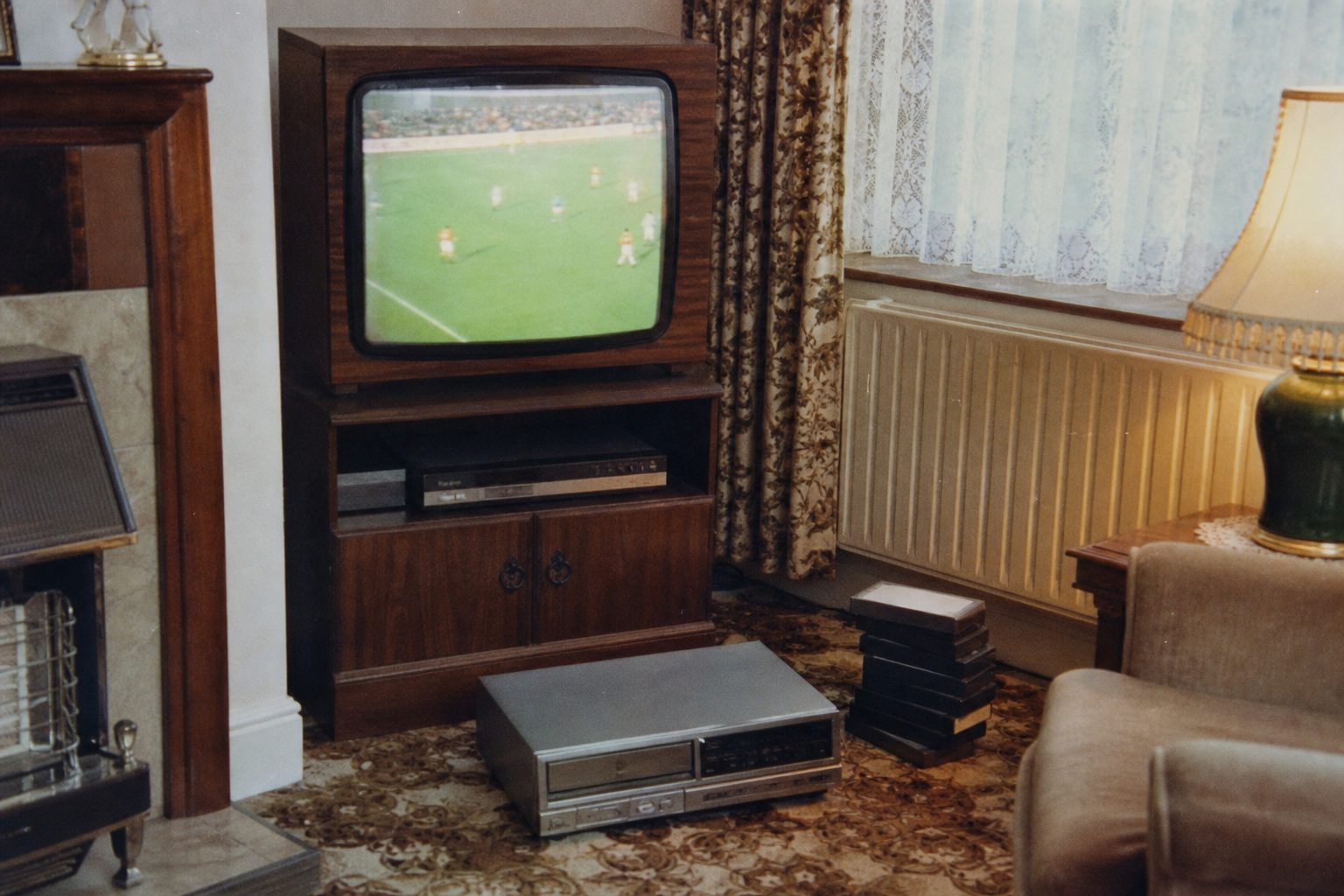
Few technologies have burned so brightly and faded so fast as home video. For roughly twenty years the video recorder sat under the television in millions of British homes, and for a large share of the people who owned one, its main purpose in life was football.
VHS against Betamax
The race to produce a consumer video system was run in Japan in the 1970s. JVC's VHS format eventually beat Sony's Betamax, and by the end of the decade the first machines were on sale in the UK. On sale, that is, but hardly affordable. For years the video recorder was the preserve of the well-off and the spoilt, and plenty of families rented one from a high-street shop before they could think about buying.
When the machine finally arrived, often as a Christmas present in the mid-1980s, it felt like science fiction. A blank tape, perhaps a three-hour Kodak E-180, was loaded with ceremony. The first recordings in many football-mad households were predictable: ITV's Saint and Greavsie on a Saturday lunchtime, BBC's Football Focus shortly after. The idea of capturing moving pictures off the telly seemed like something from Buck Rogers in the 25th Century.
Free from the programme planners
For the first time, viewers were free of the schedules. A favourite film no longer had to wait for its once-a-decade bank holiday screening. Comedy staples like Fawlty Towers and The Young Ones could be watched until the tape wore thin. But for a certain kind of viewer, video was really about football.
That meant hunched sessions in front of the set with a finger on the pause button, trying to catch the goals from the regional news without the presenter's links. It meant labelled tapes, then shelves of tapes, then a library that could be measured in yards. It was obsessive, painstaking and, looked at honestly, a fairly pointless exercise, since almost nobody ever watched most of it again.
Shops did their bit too. Season review videos were released for every club, even after miserable campaigns, along with official World Cup films, classic FA Cup finals and the BBC's Match of the Seventies collections. Then came the blooper boom, led by Danny Baker's Own Goals and Gaffs and followed by a stream of inferior imitators that sold by the thousand every Christmas.
The DVD and the garage
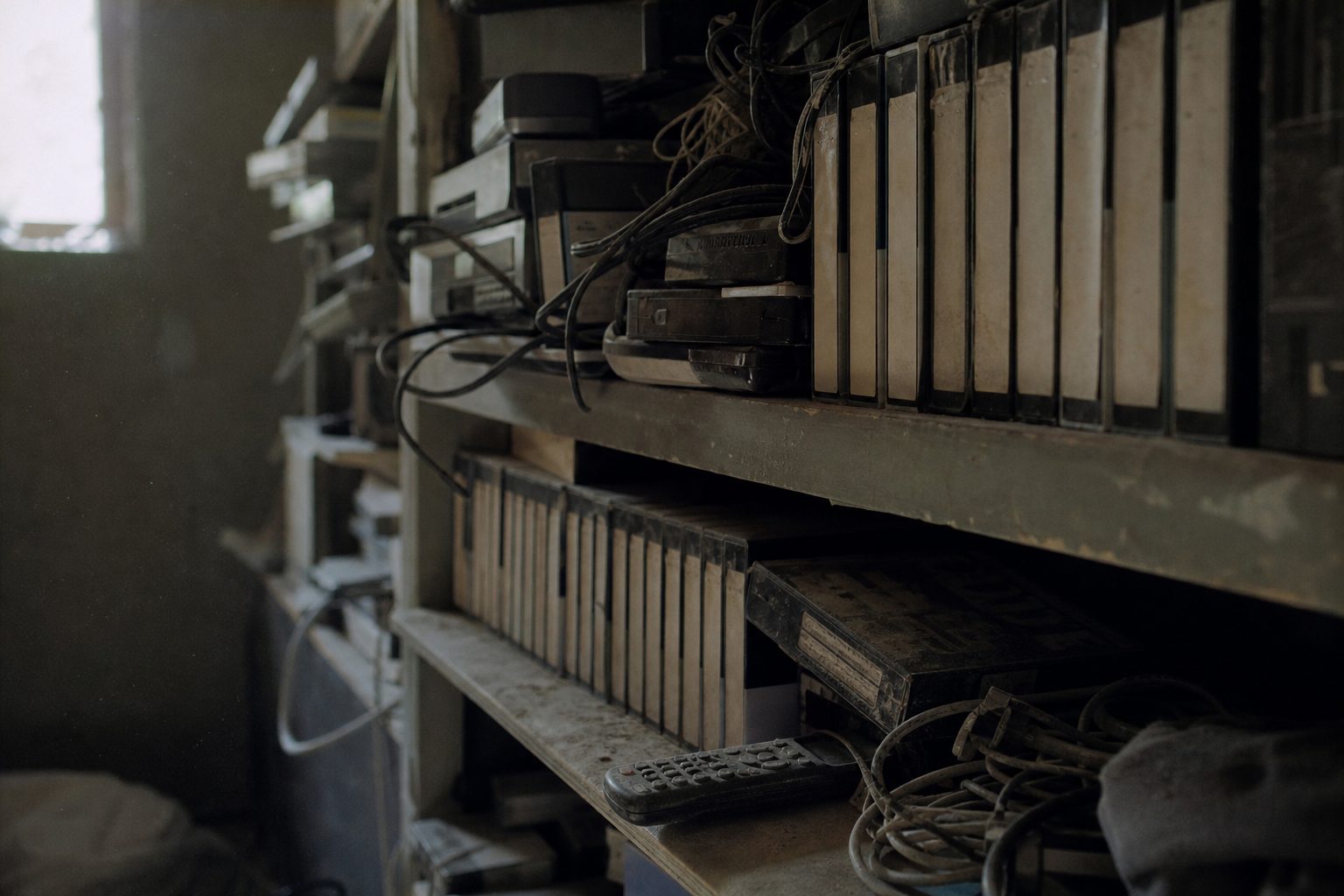
The new century brought the DVD, sharper and smaller and better in every way, and the video recorder became obsolete almost overnight. The tapes, for most collectors, went into boxes in the loft or the garage: the season reviews, the World Cup films, the blooper compilations, all about as much use as an ashtray on a motorbike.
Not many collectors could bring themselves to throw them away. There was always a plan to buy a gadget that would hook the old player up to a computer and convert the lot to disc, a plan that, for most, stayed a plan.
A second life online
The story has an unexpected twist. The obsessive taping of the 1980s and 1990s turned out not to be pointless after all. When broadcasters' own libraries proved patchy, it was those home recordings, complete with adverts, regional continuity announcers and the occasional jump where someone recorded over the end, that filled the gap. Uploaded to YouTube and shared on social media, they now form a large part of how the football of that era is remembered, and accounts such as the ones dedicated to sharing old clips and programmes for free rely on them entirely.
The VHS era is lovingly catalogued, along with the rest of the half-forgotten clutter of football fandom, in Got, Not Got: The A–Z of Lost Football Culture, Treasures and Pleasures by Derek Hammond and Gary Silke, and the authors continue the theme on their blog. For the full Saturday-lunchtime effect, there is also a 1989 edition of Saint and Greavsie to watch.
The remote control usually survived longer than the machine. It is probably still in a drawer somewhere.