 ThreeMatchBan
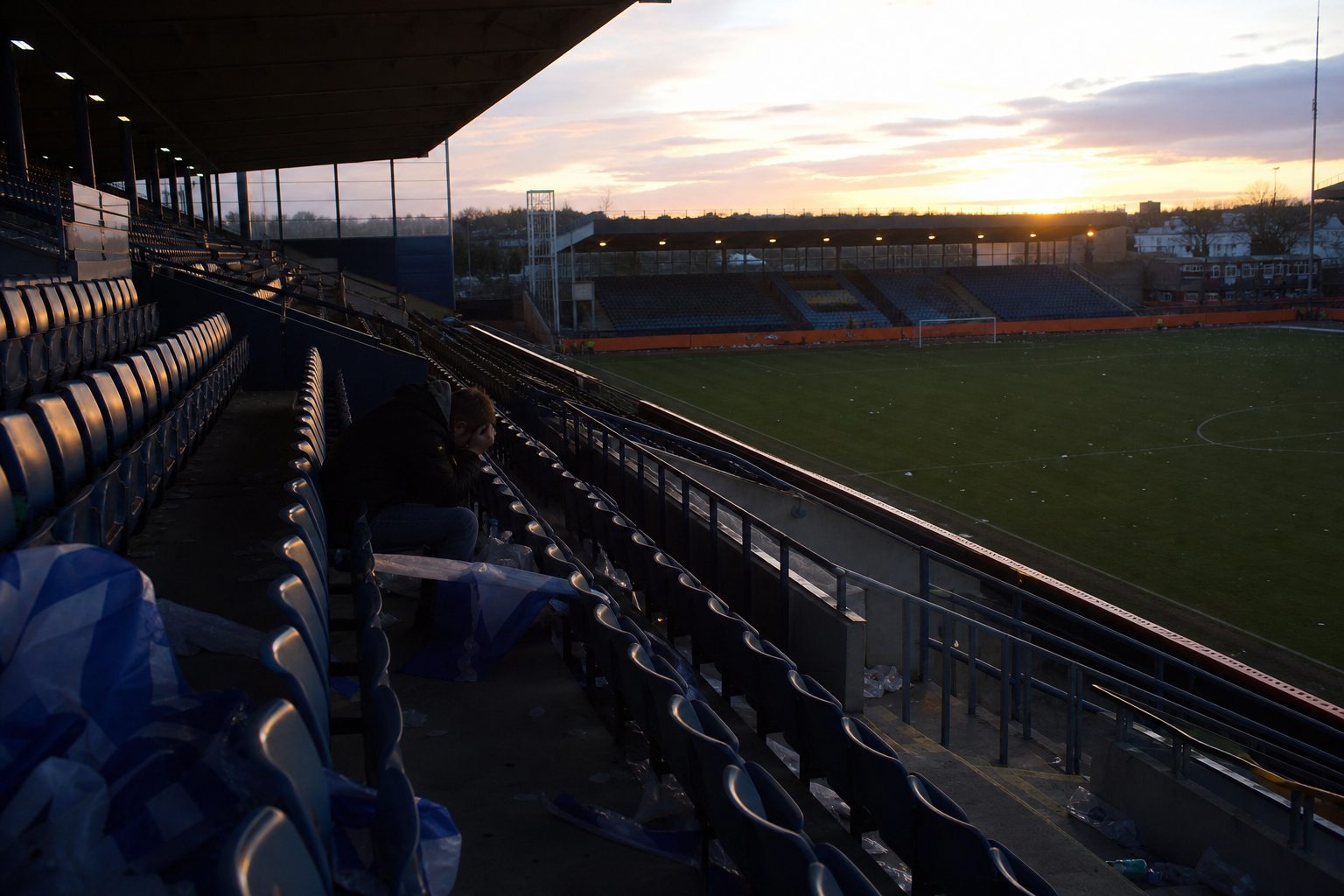
The Premier League is box office. Broadcasting deals and sponsors queuing up to attach their names to top-flight clubs have made a place in the elite enormously lucrative, so lucrative that even falling out of it comes with a hefty cheque.
In April 2013 that cheque was about to get bigger. From the 2013–14 season, parachute payments for relegated clubs were set to rise to a total of £60m spread over four seasons, an increase of £12m. To put that in context, Manchester United had collected £15.22m in merit and prize money for winning the title in 2008-09, which over four years left the champions only marginally ahead of a relegated club, even allowing for annual increases.
A cushion that encouraged gambling
Parachute payments in their modern form were meant to bridge the financial gap between the top flight and the second tier, helping relegated clubs absorb the sudden drop in revenue. The unintended consequence was obvious: with a soft landing guaranteed, clubs became more willing to gamble their finances on staying up.
Queens Park Rangers were the prime example in 2012–13, spending lavishly on wages and transfers in pursuit of survival. By April the bookmakers had their chances of escaping as slim, with odds at FREEbets. They were relegated before the end of the month.
UEFA's financial fair play rules, due to bite from 2015 and designed to stop clubs spending more than they earned, added another twist. With the Football League introducing its own spending limits, a guaranteed income stream after relegation looked more reliable than any windfall, even the kind of luck promised by a slip using bookmakers.co.uk free bets. So should clubs be rewarded for going down?
Defenders of the system had a fair point of their own. Relegation wipes out most of a club's television income overnight, while contracts signed on Premier League wages remain on the books. Without a cushion, more clubs might have suffered a collapse like Portsmouth's, a slide from FA Cup winners in 2008 to League Two by 2013.
Rewarding failure
Many in the Football League thought not. Keith Hill, the Rochdale manager who had previously been in charge at Barnsley, described the payments as "rewarding failure". Speaking after a defeat at Blackburn in September 2012, he told BBC Radio Sheffield: "I've never been rewarded for doing anything wrong or being relegated. Clubs that get relegated get rewarded financially, how does that make sense?"
He pointed out that teams such as Bradford City and Barnsley had overspent in the Premier League years earlier, but argued that the modern game did not need such solidarity payments. The relegated sides he faced, he said, could invest £8m in one player to replace another who had cost £2m.

The concern was that the money distorted competition all the way down the pyramid. "In a few seasons' time the top of the Championship will be dominated by teams who've benefited from these parachute payments," said former Lincoln City chairman Steff Wright. He argued that the problem of rich and poor would simply move further down the leagues, making it harder for clubs like Lincoln to climb into League One and beyond.
Even Premier League managers worried
The unease was not confined to the Football League. "What worries me is the rich are getting richer again," said Stoke City manager Tony Pulis in 2010. Stoke had been 25/1 to win promotion in the season they went up, and Pulis feared that bigger parachutes would make such surprises rarer by letting relegated clubs keep their best players.
Academics agreed. Sheffield Hallam University sports finance specialist Rob Wilson told BBC Sport that the larger payments would ease the transition for relegated clubs but make it harder for the rest of the Championship to compete, effectively improving the chances of the same three clubs bouncing straight back.
The fear was the slow birth of a two-tier Premier League, with even the top of the second level hard to break into. The idea of a formal second division of the Premier League sounded self-serving to most, yet Bolton chairman Phil Gartside had openly floated it in 2009.
What happened next
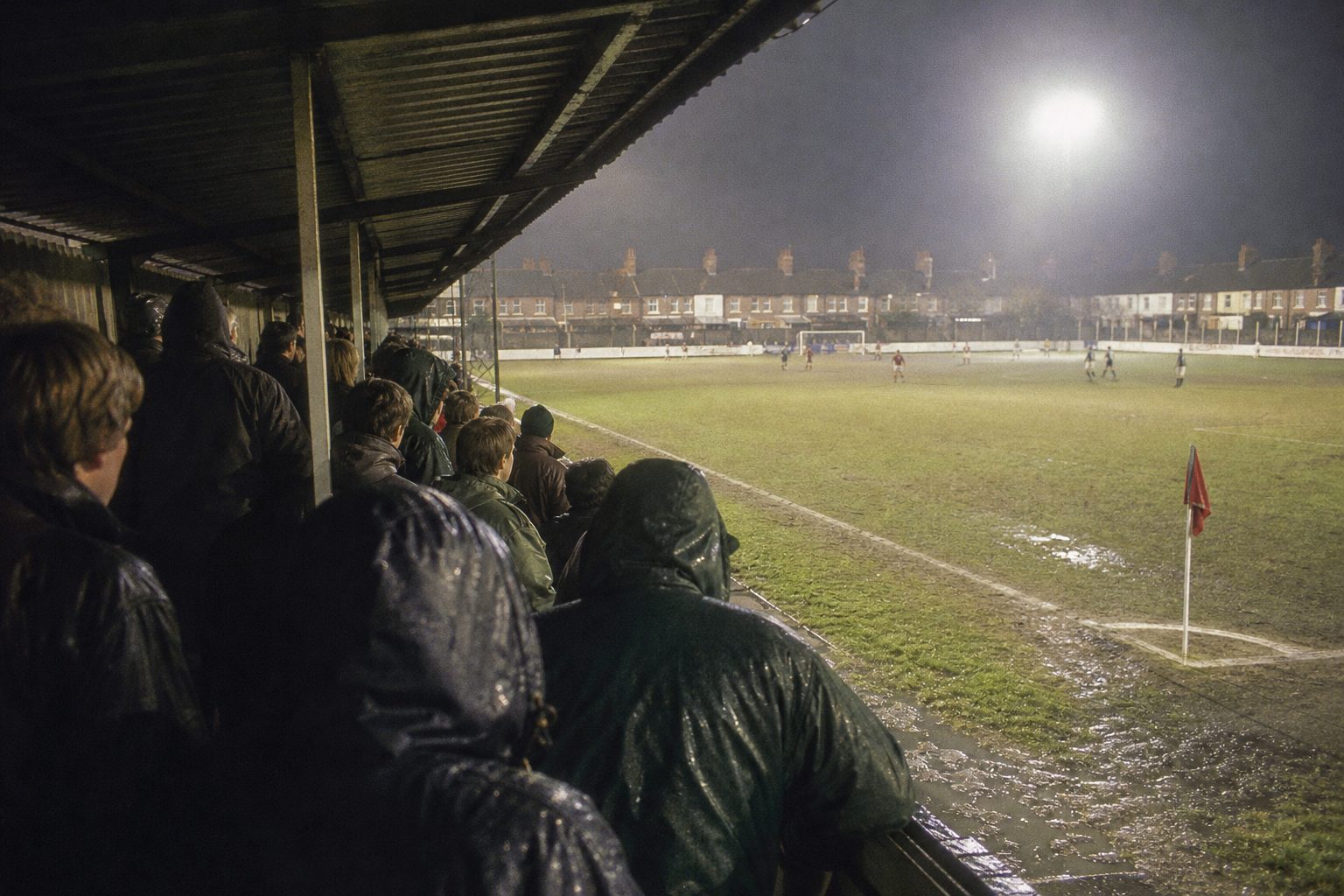
The years since have given both sides of the argument some ammunition. QPR, Reading and Wigan Athletic went down in 2013. QPR returned at the first attempt through the play-offs in 2014 but were relegated again a year later, and their spending eventually led to a £42m settlement with the Football League over its financial rules. Wigan, despite their parachute, fell into League One in 2015.
Gartside's own club became a cautionary tale. Bolton, relegated from the Premier League in 2012, slid down the divisions and went into administration in 2019, dropping into League Two the following year. The payments had not saved them.
The Premier League did change the system, reducing parachute payments to three seasons from 2016, or two for clubs that had spent only one season in the top flight. The core complaint never went away. A Championship regularly topped by recently relegated clubs, a growing gap between those with parachutes and those without, and endless debate over how money should flow down the pyramid have all kept the issue alive, along with managerial turnover of the kind charted in ten chaotic Championship months.
For supporters further down the leagues, the debate can feel abstract next to the real cost of following a team every week, or the threat of the kind of points deductions examined in Dundee's administration case. Keith Hill's two-word summary still does the job: rewarding failure.