 ThreeMatchBan
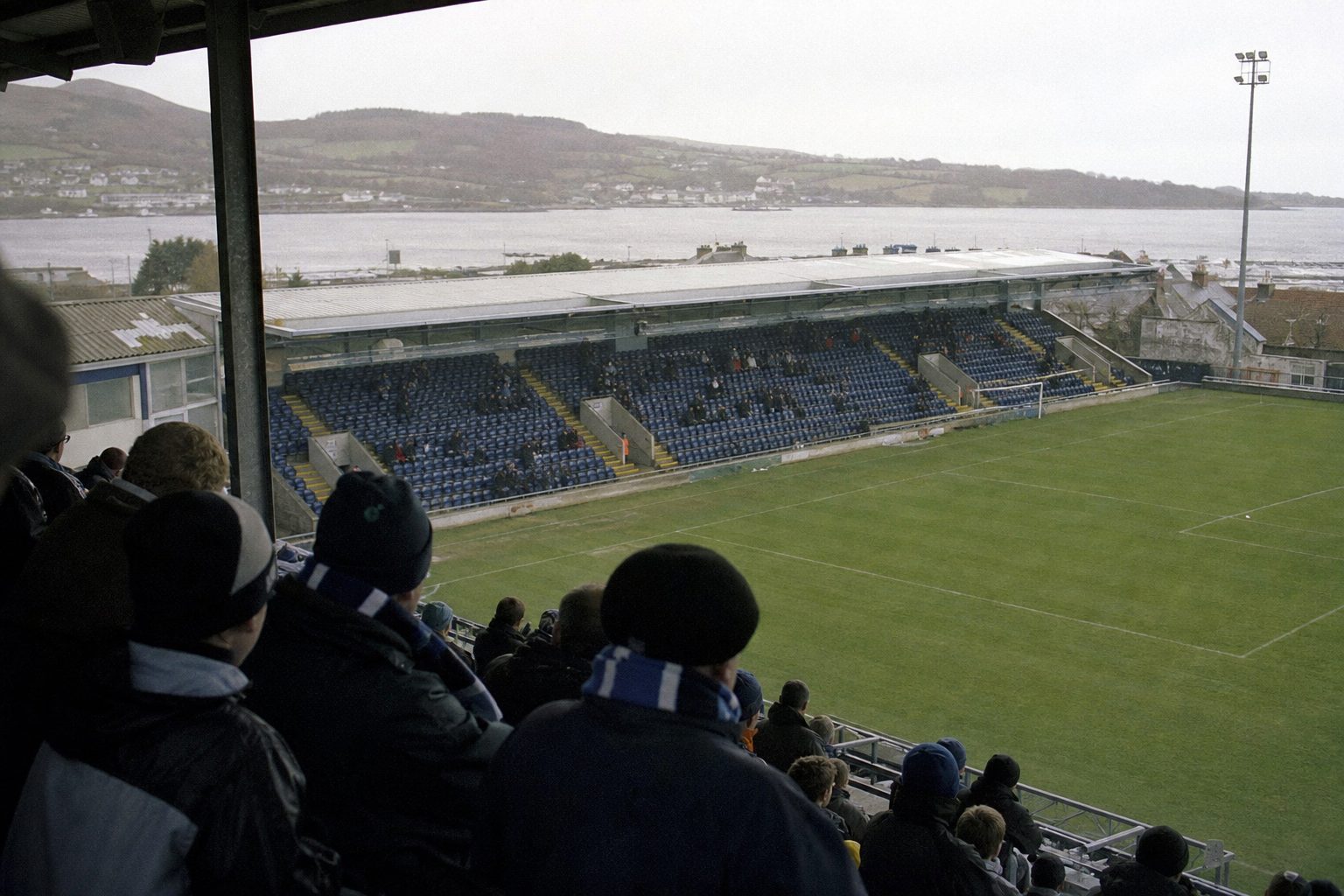
The rewards in football are vast. Success on the pitch can be matched, and even exceeded, by the money that follows: television rights, merchandise, gate receipts and the dream of selling the brand abroad. It is no surprise that clubs gamble for a taste of it, and that some teeter on the edge of financial ruin in the process.
In November 2010 the Scottish Football League decided that this all-or-nothing approach would no longer be tolerated. First Division Dundee were deducted 25 points for entering administration, a sanction plainly intended as a warning to everyone else.
Minus 11 and a transfer embargo
The numbers were brutal. The deduction left the Dark Blues bottom of the First Division on minus 11 points, 20 behind the nearest side, Morton, with 25 league games still to play. To make matters worse, the club was banned from signing new players until it came out of administration.
The SFL did not hide its intent. "We are of the opinion that lessons are not being learned," its board said in a statement. "Clubs have to realise that they can't treat their Her Majesty's Revenue and Customs tax obligations as something akin to a credit card." It added that it would reconsider the matter and deal with the club as it saw fit if Dundee were still in administration by 31 March 2011.
The message was aimed far beyond Tayside. By raising the scale of the penalty, the league hoped to push every club wary of a similar fate towards a sounder financial footing.
Shock at Dens Park
Inevitably, the club fought back. The administrator, Bryan Jackson, told BBC Scotland: "Not only will we appeal under the SFL rules but I'm now going to consider a legal appeal." He described the mood bluntly: "Everyone at the club is in absolute, total shock. They cannot understand the severity of the sanctions. It's made a difficult job even more difficult."
His deeper worry was investment. A club rooted to the foot of the second tier, with apparently nothing to play for, was hardly an attractive proposition. "If you were an external investor, unless you were connected with the club, why would you have any interest in a club that has nothing to play for this year and is going to be relegated?" he asked.
The history counted against them. Dundee had already been through administration in 2003, when they were still in the Scottish Premier League, and the SFL clearly took a dim view of a repeat offender. Two insolvencies in seven years made the club an obvious example.
Harsh, but a benchmark
However galling, and even callous, the decision looked when set against earlier sentences, the SFL acted with authority in defence of the integrity of its competition. Punishments in England had often been softer. Leeds United started the 2007–08 League One season on minus 15, and Portsmouth were docked nine points in 2010 after becoming the first Premier League club to go into administration. Those penalties hurt, but they had not stopped the next club from overspending.
The governing bodies higher up the chain have a poor record on deterrents too. UEFA and FIFA have repeatedly been criticised for handing out nominal fines in serious cases, racism above all. The pattern of token punishments is examined in the piece on UEFA hiding behind an empty fine.
Against that background, the SFL set a clear benchmark for what it considered acceptable. The cost was that Dundee became the example.
The wider question of how football rewards and punishes financial failure, from parachute payments to points deductions, is explored in whether clubs should be financially rewarded for relegation. And for an English example of ambition outrunning reality, the strange tale of Notts County in 2009 is told in Sol Campbell and oil-rich Notts County.
Rising from the ashes
The prediction of certain relegation proved wrong. Freed of expectation and backed by fans who rallied around the club, Dundee's players put together a long unbeaten run in the second half of the 2010–11 season and climbed clear of the bottom, surviving in the First Division despite starting on minus 11.
The revival did not stop there. In 2012, after the financial collapse at Rangers, Dundee were invited to take the vacant place in the Scottish Premier League, returning to the top flight less than two years after a punishment designed to sink them.
The SFL got its deterrent. Dundee, against every expectation in November 2010, got their club back.