 ThreeMatchBan
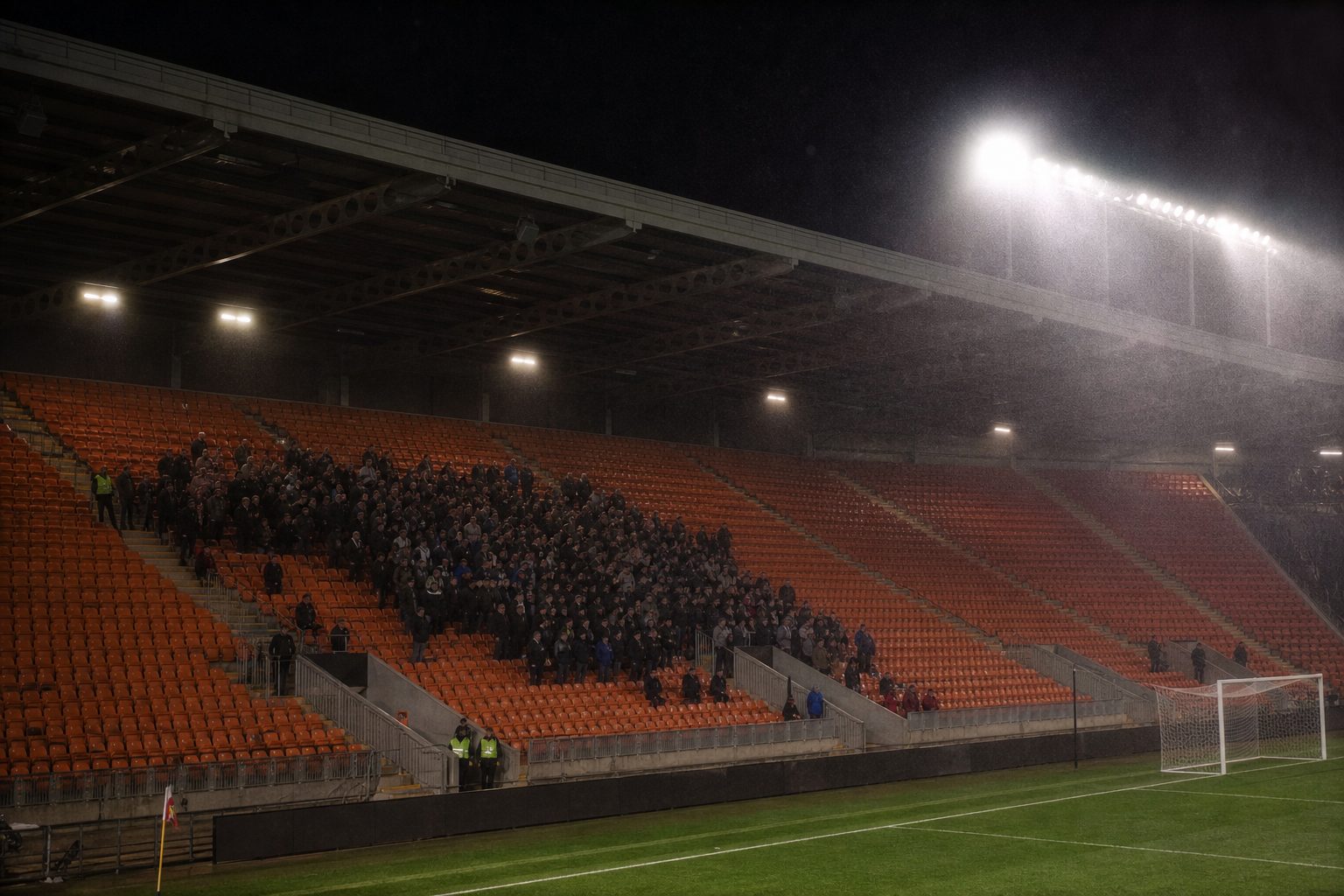
League One is the third tier of English football, and it has a way of humbling clubs that once thought it was beneath them. The name dates from 2004, when the Football League rebranded its divisions: the old First Division became the Championship, the Second Division became League One and the Third became League Two. The football did not change much. The marketing did.
Twenty-four clubs compete each season. The top two go up automatically, the next four contest the play-offs, with the final at Wembley, and the bottom four drop into League Two. It is a long, attritional season of 46 league games, with midweek trips across the country on wet Tuesday nights and very little television money to soften the blow.
A division of fallen giants
The list of clubs that have spent time in League One since 2004 reads like an alternative history of English football. Nottingham Forest, twice champions of Europe, dropped into it in 2005 and became the first European Cup winners to play in the third tier. Leeds United, Champions League semi-finalists in 2001, spent three seasons there from 2007 after starting their first campaign with a 15-point deduction. Southampton began their first League One season on minus ten points and came back up two years later, the start of a climb that took them into the Premier League by 2012.
Norwich City lost 7–1 at home to Colchester United on the opening day of 2009–10 and still won the title. Sunderland, Ipswich Town, Derby County, Sheffield Wednesday, Portsmouth and Charlton Athletic have all served time too, some of them for longer than their supporters care to remember. Sunderland's four seasons in the division between 2018 and 2022 were long enough for a television documentary series to be made about the misery.
Why the third tier is so hard to escape
The trap is financial. Clubs fall from the Championship with wage bills built for a higher level, while income from television and sponsorship collapses. Parachute payments soften the drop from the Premier League, but there is no equivalent cushion for clubs that slip down a second time, which is why so many big names spend years in League One rather than bouncing straight back. Administration has hit more than one of them, with points deductions that turn a promotion push into a survival fight.
That is also why the division is unpredictable. Small, well-run clubs with tight squads and sensible budgets regularly finish above former giants with famous grounds and crowds of 25,000. Burton Albion, Fleetwood Town and Accrington Stanley have all held their own in League One in the last decade.
Free transfers, journeymen and cult heroes
League One is also where many careers wind down and others begin. Veterans who once played in cup finals drop down on free transfers for one last contract, while young players on loan from Premier League academies learn the game in muddy, physical matches that nothing in under-21 football prepares them for. Some of the most memorable characters in the game passed through on their way up or their way out, and plenty of supporters would take a third-tier cult hero over a Premier League squad player any day.
More on League One
The rights and wrongs of parachute money are argued in the case against financially rewarding clubs for relegation, written when the payments rose to £60m over four seasons. MK Dons tempting Alan Smith down from Newcastle is one of the moves picked out in the free transfer XI of summer 2012. Carlton Palmer's long and winding career, which took in Leeds, Sheffield Wednesday, West Brom and Stockport County among others, gets the briefest of verdicts in a critical pictorial analysis of Carlton Palmer. One division further down, a visit to Barnet and its sloping pitch captures the charm of lower-league football before the club left Underhill. And the plight of Plymouth Argyle, a club that dropped from the Championship to League Two through back-to-back relegations, is examined in home from home at Home Park.