 ThreeMatchBan
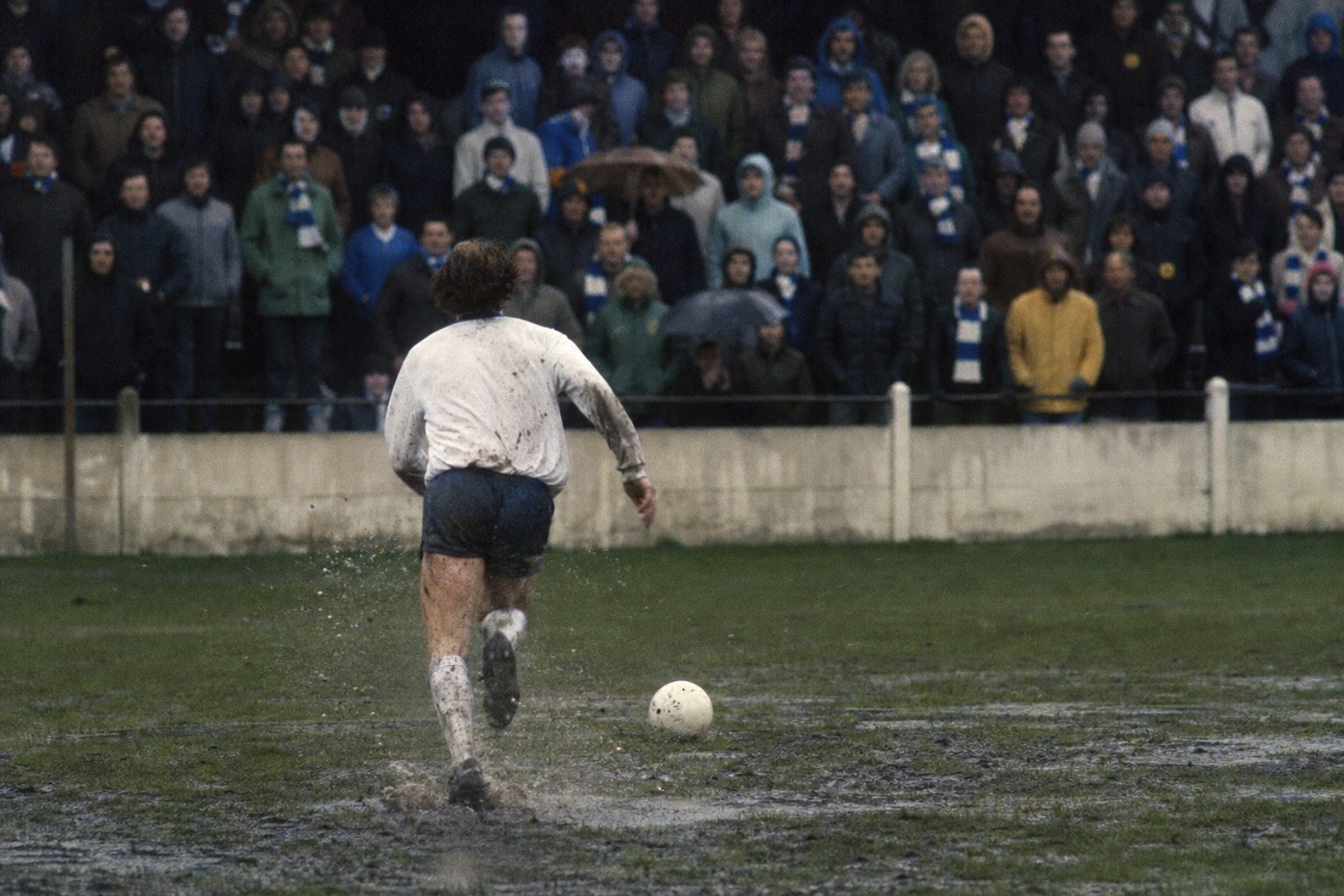
Most football supporters under a certain age know Ian Holloway as a manager: the touchline character with the West Country accent, the extraordinary press conferences and a habit of taking unfashionable clubs further than anyone expected. Before all that, though, he was a midfielder, and a very good one for the clubs that knew him best.
It is hard to find anyone in English football who dislikes him. Supporters of Bristol Rovers, Queens Park Rangers, Blackpool and Crystal Palace in particular tend to talk about him with real warmth.
Ollie at Bristol Rovers
Holloway was born in Bristol and came through at Bristol Rovers, breaking into the first team in the early 1980s. Spells at Wimbledon and Brentford followed, along with a loan at Torquay United, before he returned to Rovers in the late 1980s under Gerry Francis.
That Rovers side was one of the great overachieving teams of the era. With no ground of their own after leaving Eastville, playing home games at Bath City's Twerton Park, Francis built a hard-working, tightly knit team that won the Third Division title in 1989–90 and reached the Leyland DAF Cup final at Wembley the same spring, losing to Tranmere Rovers. Holloway, nicknamed Ollie, was at the heart of it: a busy, tireless central midfielder who covered every blade of grass and never stopped talking.
He was not the most gifted player on the pitch. He was usually the one who cared most.
Queens Park Rangers in the Premier League
When Francis moved to QPR in 1991, he took Holloway with him. It was a big step up, and one many observers doubted he could make, but he became a regular in a Rangers side that played some fine football in the early years of the Premier League. In 1992–93, the first Premier League season, QPR finished fifth, the highest of the London clubs, with Les Ferdinand scoring the goals and Holloway doing the running behind him.
He stayed at Loftus Road until 1996, through the departure of Francis and the arrival of Ray Wilkins as player-manager, and the club's relegation that year marked the end of his time there. The QPR hub has more on Rangers in that era.
Player-manager and beyond
In 1996 Holloway went home, returning to Bristol Rovers as player-manager. It was the start of a managerial career that would take him all over the country, and one in which his personality became as famous as his teams.
He took QPR back up from the third tier in 2004, then had spells at Plymouth Argyle and Leicester City, the latter ending in relegation. His finest hour came at Blackpool, where in 2010 his attacking side beat Cardiff City 3–2 in the Championship play-off final at Wembley to reach the Premier League. Blackpool played with remarkable freedom that season, and although they went down on the final day in 2011 after a 4–2 defeat at Old Trafford, few promoted sides have been so enjoyable to watch.
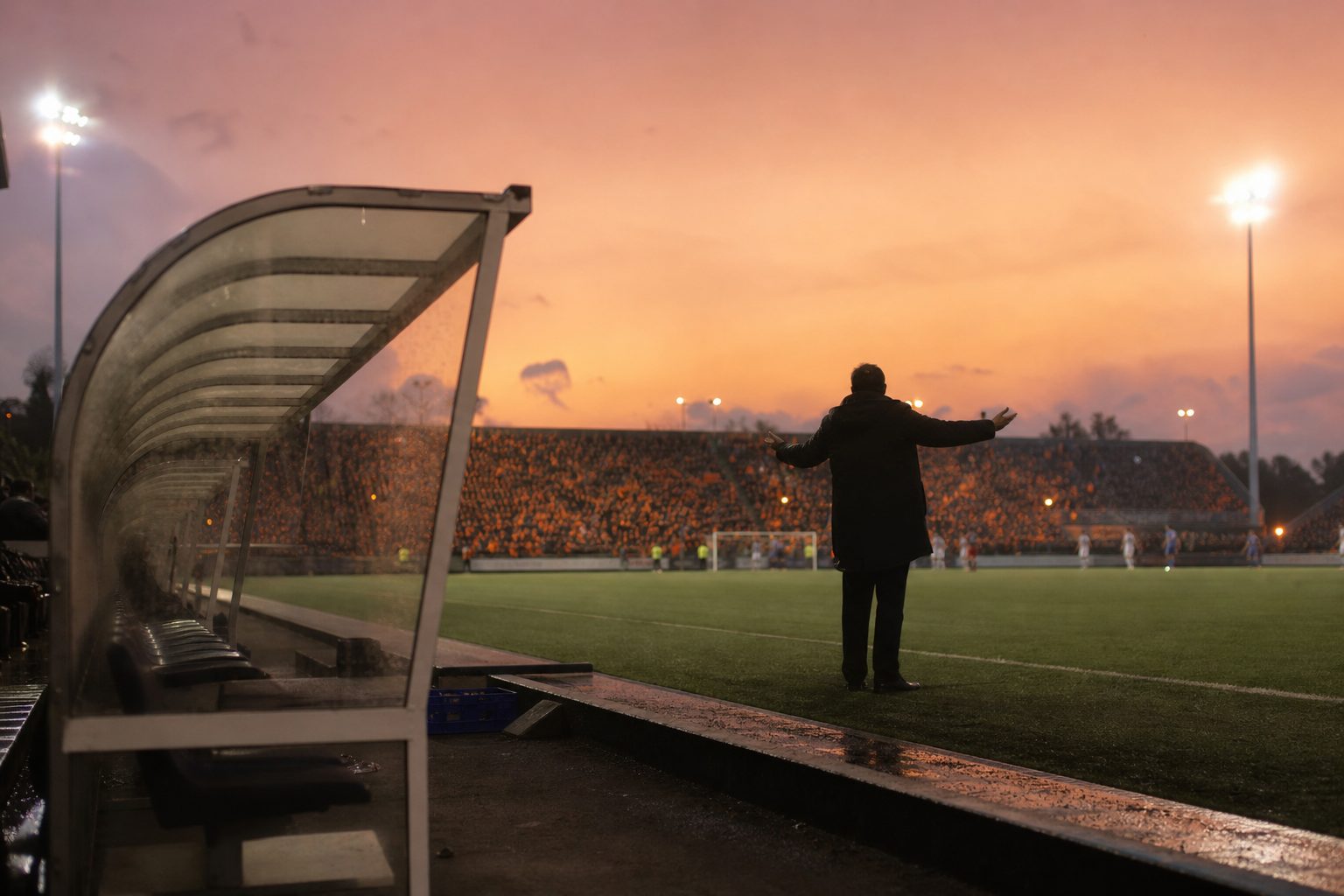
The same season brought one of his famous rows with the authorities, when Blackpool were fined by the Premier League for making wholesale changes to the team for a game at Aston Villa. Holloway's view, delivered at length, was that every one of his players was good enough to play.
He repeated the play-off trick at Crystal Palace in 2013, when Kevin Phillips scored an extra-time penalty to beat Watford 1–0 at Wembley. Later jobs at Millwall, a second spell at QPR and Grimsby Town followed. The story of the Palace eagle is told in the Crystal Palace badge history, and anyone who remembers his face on a sticker can try the guess the manager sticker quiz.
Why he became a cult hero
Holloway's playing career was not glamorous, and he never won an international cap. What made him a cult figure was the same quality that later made his press conferences compulsive viewing: an unfiltered love of the game and a refusal to pretend. Rovers fans at Twerton Park saw it in the way he chased lost causes, QPR fans saw it in the Premier League, and the rest of the country caught up when he started talking into television microphones.
His old club in Bristol still regards him as one of its own, and a midfielder who ran himself into the ground for Gerry Francis is never far from the surface of the manager who later lit up Bloomfield Road.