 ThreeMatchBan
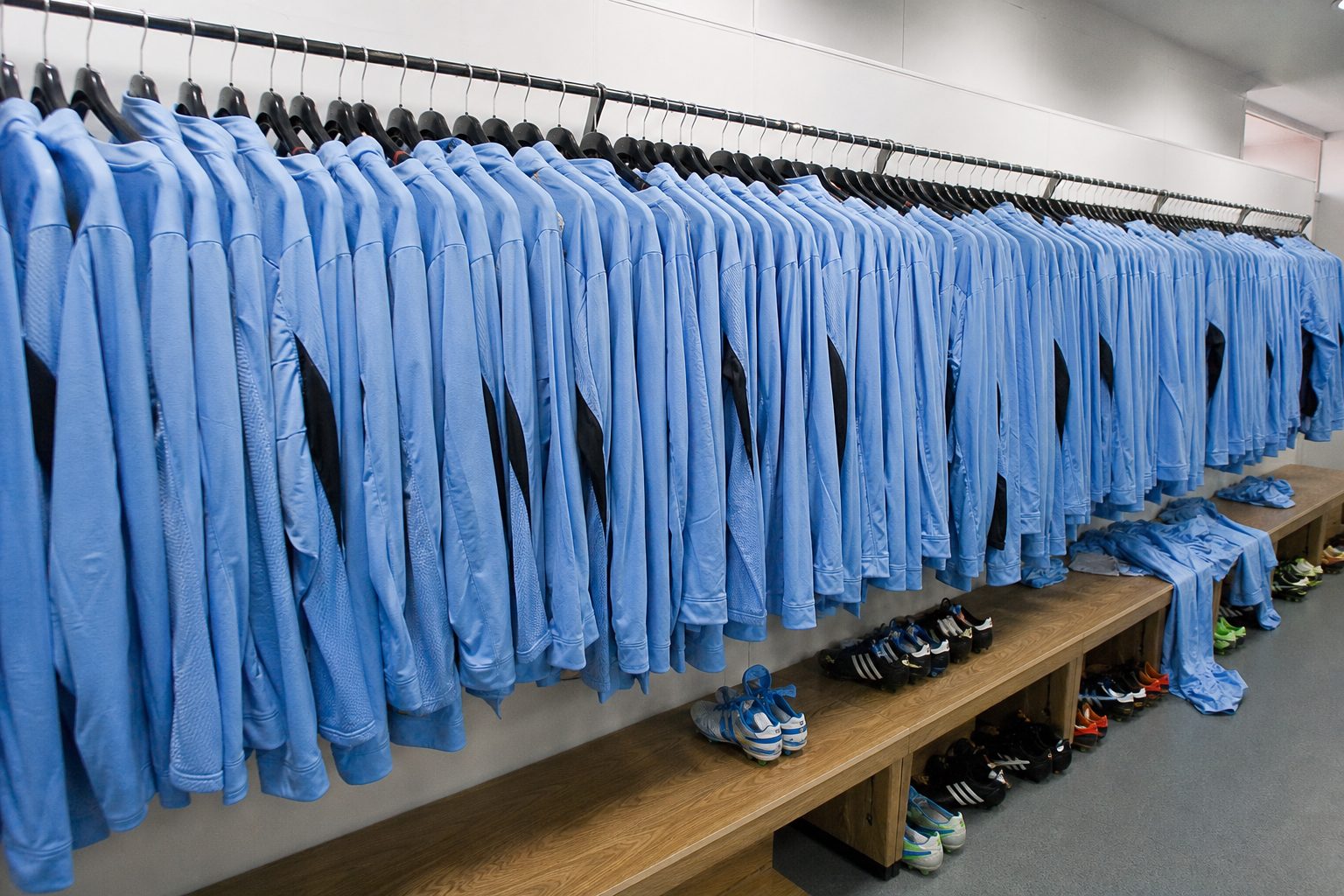
At some point in July 2010, the people running Manchester City appear to have had a moment of clarity. They had too many players.
The summer had been spent adding to an already bulging squad and wage bill. Yaya Touré, Jérôme Boateng, David Silva and Aleksandar Kolarov had all arrived, and more signings were expected before the transfer deadline. Then the arithmetic caught up with them.
The 25-man rule
From the 2010–11 season the Premier League limited each club to 25 registered players over the age of 21, at least eight of them home-grown. Under-21s did not count and could be added without limit. City's roster of over-21s stood at 33, so at least eight had to go, permanently or on loan, within a month. With further arrivals planned, the number heading out could reach ten.
The squad that had to be trimmed looked like this:
| Group | Players over 21 |
|---|---|
| Home-grown (15) | Given, Hart, Taylor, Lescott, Bridge, M. Johnson, Onuoha, Richards, Barry, A. Johnson, Ireland, Wright-Phillips, Bellamy, Etuhu, Logan |
| Non-home-grown (18) | González, Nielsen, Boateng, Garrido, K. Touré, Zabaleta, Vieira, Y. Touré, De Jong, Kompany, Silva, Adebayor, Santa Cruz, Tevez, Caicedo, Robinho, Jo, Kolarov |
The tabloids pick the leavers
The papers were happy to help. A report in the poor man’s Sun suggested the Brazilian striker Jo could be on his way, with Blackburn interested in a cut-price deal, while the poorer man’s Sun claimed that Craig Bellamy, Roque Santa Cruz and Stephen Ireland all faced the axe.
City were plainly willing to sell for much less than they had paid. Santa Cruz had cost around £18 million from Blackburn a year earlier, yet the poor man’s Sun had him heading to Marseille for a smaller fee. Jo would certainly leave for less than City spent on him.
Ireland was the awkward case. A price of around £10 million would tempt plenty of clubs, but reported wages of £70,000 a week would put off just as many. Few clubs could throw money around the way City could.

Redknapp spots a bargain
Harry Redknapp, never slow to sense an opportunity, saw the loan market as the answer. He told the BBC: “I think there will be a few loans. Clubs like Manchester City will have too big a squad as you can only have 25 players on your roster. They will have a problem and there will be players that clubs will want to loan out that will be good players that are earning good wages. Clubs will have to cut their wage bills and they don’t want players sitting around doing nothing.”
The catch was the wages. City had already had to help with Robinho's salary to make his loan to Santos work earlier that year, and they risked doing the same again. Some of the players would also want to keep the pay they had become used to, which narrowed the market further.
How the squeeze played out
The deals came quickly. Mario Balotelli and James Milner arrived in August, with Ireland going to Aston Villa as part of the Milner deal. Robinho was sold to Milan. Bellamy spent the season on loan at Cardiff City, Santa Cruz went back to Blackburn on loan in January rather than to Marseille, and Shaun Wright-Phillips left for QPR a year later.
It was not the first time City's spending had outrun the team sheet. A year earlier they had bought so many forwards that a 1-1-8 formation looked like the only way to use them, a summer that ended with Mark Hughes losing his job in December.
The trimming worked. With a leaner squad Roberto Mancini won the FA Cup in May 2011, City's first major trophy since 1976, and the Premier League title a year later. The clearing-out of 2010 looks like housekeeping now, and the Manchester City story moved on fast. Jo, for the record, never came close to justifying the fee City paid CSKA Moscow for him in 2008.