 ThreeMatchBan

Picture a waiting room designed for discomfort: chairs too low, a clock too loud, a receptionist who says nothing. In the autumn of 2009 that was more or less where Mark Hughes found himself, at least in the public imagination. The Manchester City manager had been handed the resources to build a new force in English football, and the results had stopped coming.
City had drawn seven league matches in a row. Against Aston Villa, Wigan, Fulham, Birmingham, Burnley, Liverpool and then Hull, the most expensively assembled squad in the country kept finding ways not to win.
The money, the expectations and the draws
The context explains the pressure. Sheikh Mansour bin Zayed Al Nahyan's Abu Dhabi group had bought City in September 2008, and the club announced itself immediately by signing Robinho from Real Madrid for a British record fee. In the summer of 2009 the spending went further: Carlos Tévez arrived from across the city, alongside Emmanuel Adebayor, Kolo Touré, Joleon Lescott, Gareth Barry and Roque Santa Cruz.
A squad like that was expected to challenge for the top four at the very least. Hughes, who had been appointed by the previous owner, Thaksin Shinawatra, in the summer of 2008, was never quite seen as the new regime's own choice. Every dropped point fed the suspicion that he was managing on borrowed time.
A draw is not a defeat. Seven of them in a row, with that wage bill, felt like one.
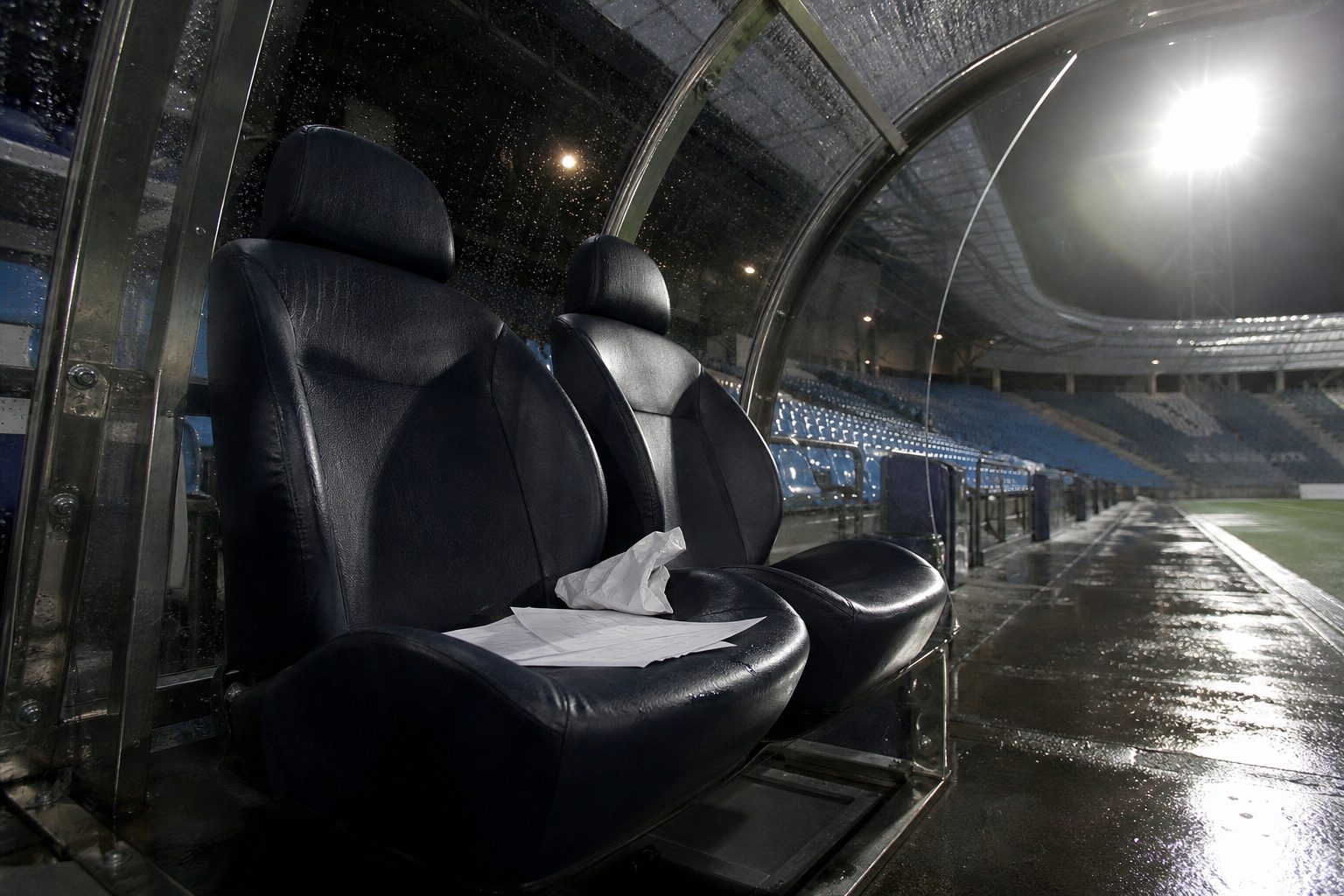
Hughes and the case for patience
In public Hughes stayed calm and argued for time. City were still in the mix near the top end of the table, he pointed out, and at times had looked strong and established. He admitted the shortcomings of a squad that had been put together at speed. "We look what we are, a team that has come together very quickly that can show frailties," he said, adding that the job was to keep picking up points while the side grew.
It was a reasonable argument. It was also the kind of argument that rarely survives the arrival of billionaire owners with a timetable of their own. The satire of the day imagined Hughes summoned through heavy oak doors to explain himself, met by stony silence and waved away, then trudging back down the corridors of Eastlands muttering that perhaps the answer was to spend even more money in January.
The joke landed because it captured the absurdity of the situation. The squad had been built with money. The obvious remedy, according to the logic of the times, was more money.
The end at Eastlands
The end came within weeks. On 19 December 2009 City beat Sunderland 4–3 at home, and Hughes was dismissed the same evening. Reports that his successor had already been lined up before kick-off made the timing look especially cold. Roberto Mancini was confirmed as manager almost immediately.
Under Mancini City finished fifth in 2009–10, narrowly missing out on the Champions League to Tottenham. The following season they won the FA Cup, their first major trophy since 1976, and in May 2012 they took the Premier League title in the most dramatic finish the competition has seen. The wider story of the club's transformation, including its new crest of 2016, is told in the Manchester City badge history.
Whether Hughes would have reached those heights with the same resources is unknowable. He had laid some of the foundations, and several of his signings were part of the side that won the title.
Sparky's long career in the dugout
As a player, Hughes was one of the great centre-forwards of his era: a scorer of spectacular volleys for Manchester United, a stint at Barcelona and Bayern Munich, then trophies with Chelsea before later spells at Southampton, Everton and Blackburn. He scored both United goals in the 2–1 win over Barcelona in the 1991 Cup Winners' Cup final in Rotterdam, against the club that had once let him go.
His managerial career started with Wales, then a steady and respected spell at Blackburn Rovers that earned him the City job. After Eastlands came Fulham, Queens Park Rangers, a long and largely successful period at Stoke City, Southampton and, later, Bradford City. His record is that of a manager who built solid, combative teams on modest budgets, which made the City job, with its unlimited funds and unlimited expectations, an odd fit from the start.
A later look at his managerial style appears in a short treatise on Mark Hughes. For the lighter side of City's early spending era, the tongue-in-cheek 1-1-8 formation is worth a look.
The Sunderland game, all seven goals of it, was his last in charge. It is rare for a manager to lose his job on the evening of a win.