 ThreeMatchBan
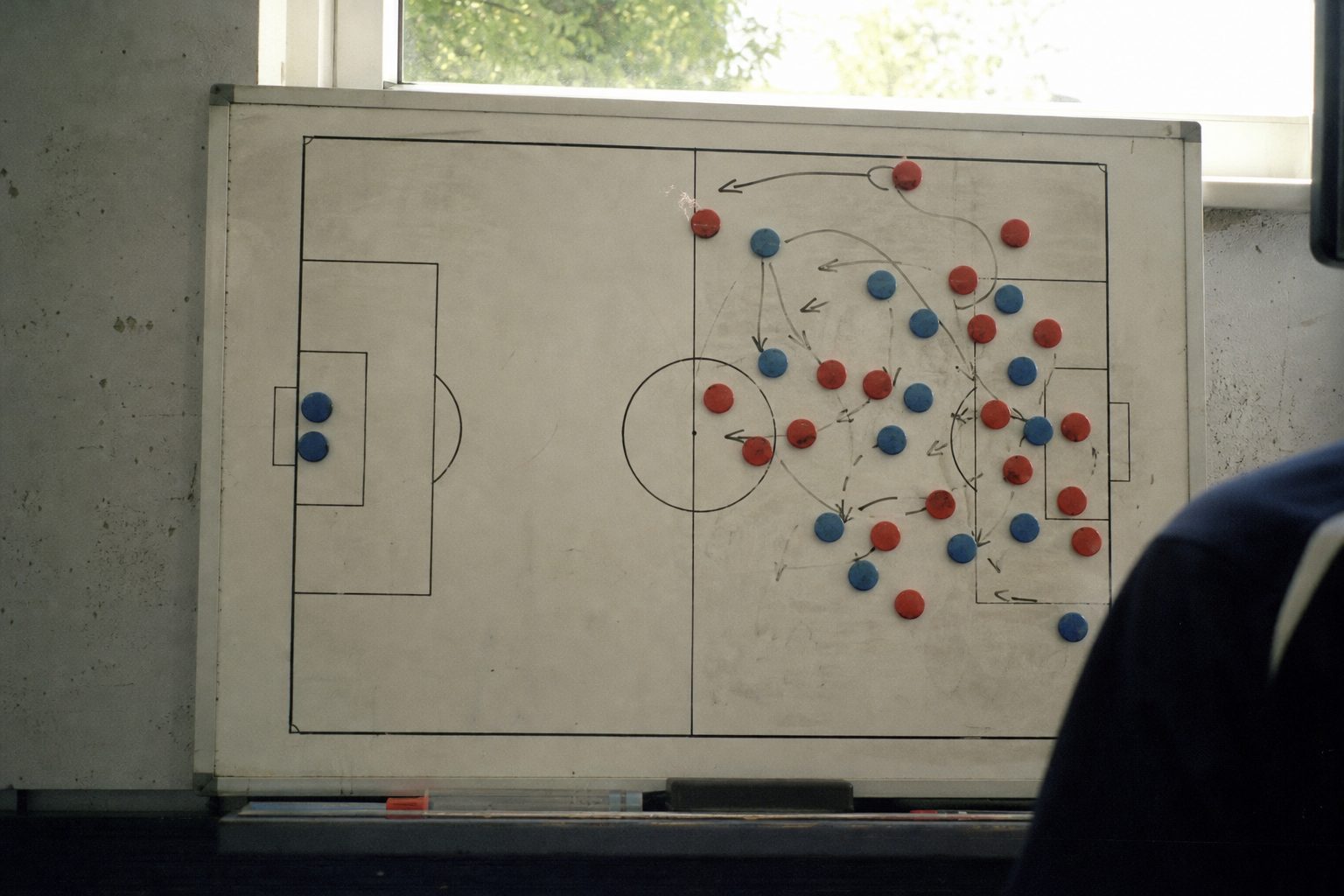
In July 2009 the joke wrote itself. Manchester City had signed so many forwards that the only sensible tactical plan seemed to be a goalkeeper, one defender and eight attackers. Nobody at Eastlands said it out loud, but plenty of rival fans did.
A year earlier City had been taken over by the Abu Dhabi United Group, owned by Sheikh Mansour. The new owners announced themselves on deadline day in September 2008 by signing Robinho from Real Madrid for a British record fee. By the summer of 2009 the spending was in full flow, and the squad Mark Hughes had to pick from looked more like a fantasy football team than a balanced side.
The forwards already at Eastlands
Before the summer window opened, City already had Robinho, Craig Bellamy, signed from West Ham in January 2009, Benjani, Jô, Elano, Shaun Wright-Phillips and Valeri Bojinov. That is a lot of players who prefer to receive the ball facing goal, and a lot of egos for one dressing room.
Then the arrivals began. Roque Santa Cruz came from Blackburn Rovers, reunited with Hughes, who had managed him at Ewood Park. Carlos Tevez crossed the city from Manchester United after his loan deal there ended. Emmanuel Adebayor arrived from Arsenal, along with his team-mate Kolo Touré.
Gareth Barry joined from Aston Villa in June, and Joleon Lescott followed from Everton in August after a long and noisy saga. Barry's move was the one that hurt most in the Midlands. Villa fans felt let down after the previous summer's speculation linking him with Liverpool, and many saw it simply as a move for money. It is a harsh charge. Almost any player offered tens of thousands of pounds a week more would think hard about it.
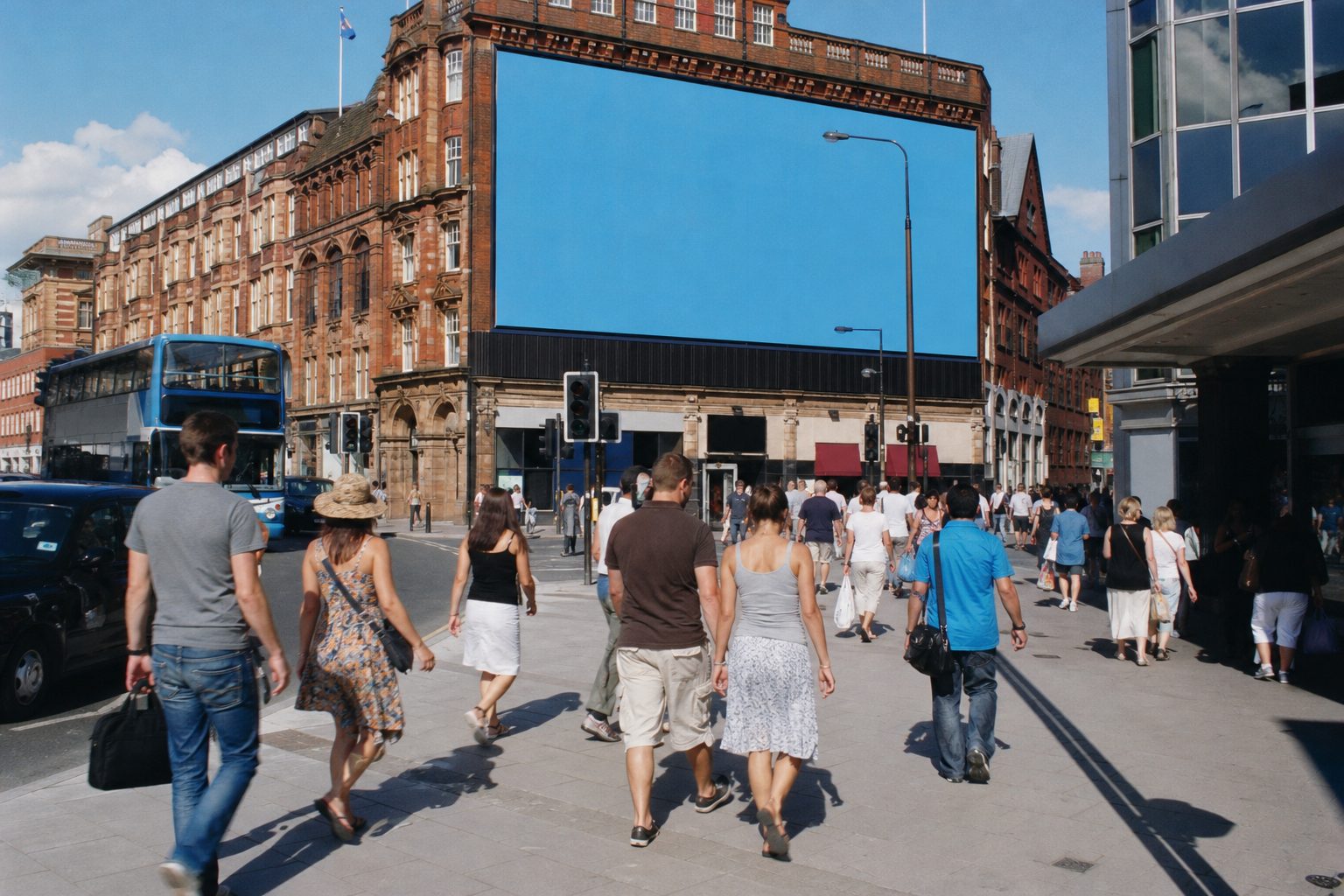
Welcome to Manchester
The Tevez signing came with the most famous piece of marketing of the summer: a giant sky-blue billboard in Manchester city centre showing the Argentine with the words "Welcome to Manchester". United fans did not see the funny side.
On paper, an attack of Robinho, Tevez, Santa Cruz and Adebayor would frighten any defence in the country. The question was how Hughes could fit them all in, and what would happen to the rest. Bellamy, signed only six months earlier, already looked like he might be surplus to requirements, and the club's young players faced an even harder task. Daniel Sturridge had already left for Chelsea that summer in search of first-team football.
It was a shame for the academy, but it was the reality of the new City. Promising teenagers would now have to fight past internationals bought for tens of millions.
How the 1-1-8 season actually went
The early signs were good. City won their first four league games, and in September they beat Arsenal 4–2 at Eastlands, a match remembered for Adebayor sprinting the length of the pitch to celebrate in front of the away fans and for his stamp on Robin van Persie.
A run of draws through the autumn cost Hughes his job. He was sacked in December 2009 and replaced by Roberto Mancini, a story told from a different angle in a day in the life of Mark Hughes. Hughes went on to manage Fulham, Queens Park Rangers and Stoke City, as a short treatise on Mark Hughes explores.
City finished fifth in 2009–10, missing out on the Champions League after a 1–0 defeat at home to Tottenham in May. Of all the strikers, Tevez was the clear success, with more than 20 league goals. Santa Cruz barely played, Robinho was loaned to Santos in January, and Adebayor faded after his fast start.
From punchline to champions
The 1-1-8 jibe aged badly. Within two years City had won the FA Cup, and in 2012 they won their first league title since 1968, with Agüero's last-minute goal against QPR. The club has since changed almost everything, including the Manchester City badge, which was redesigned for the 2016–17 season.
The summer of 2009 was the clumsy first draft. Too many forwards, not enough balance, and a billboard that said more than any press conference.