 ThreeMatchBan
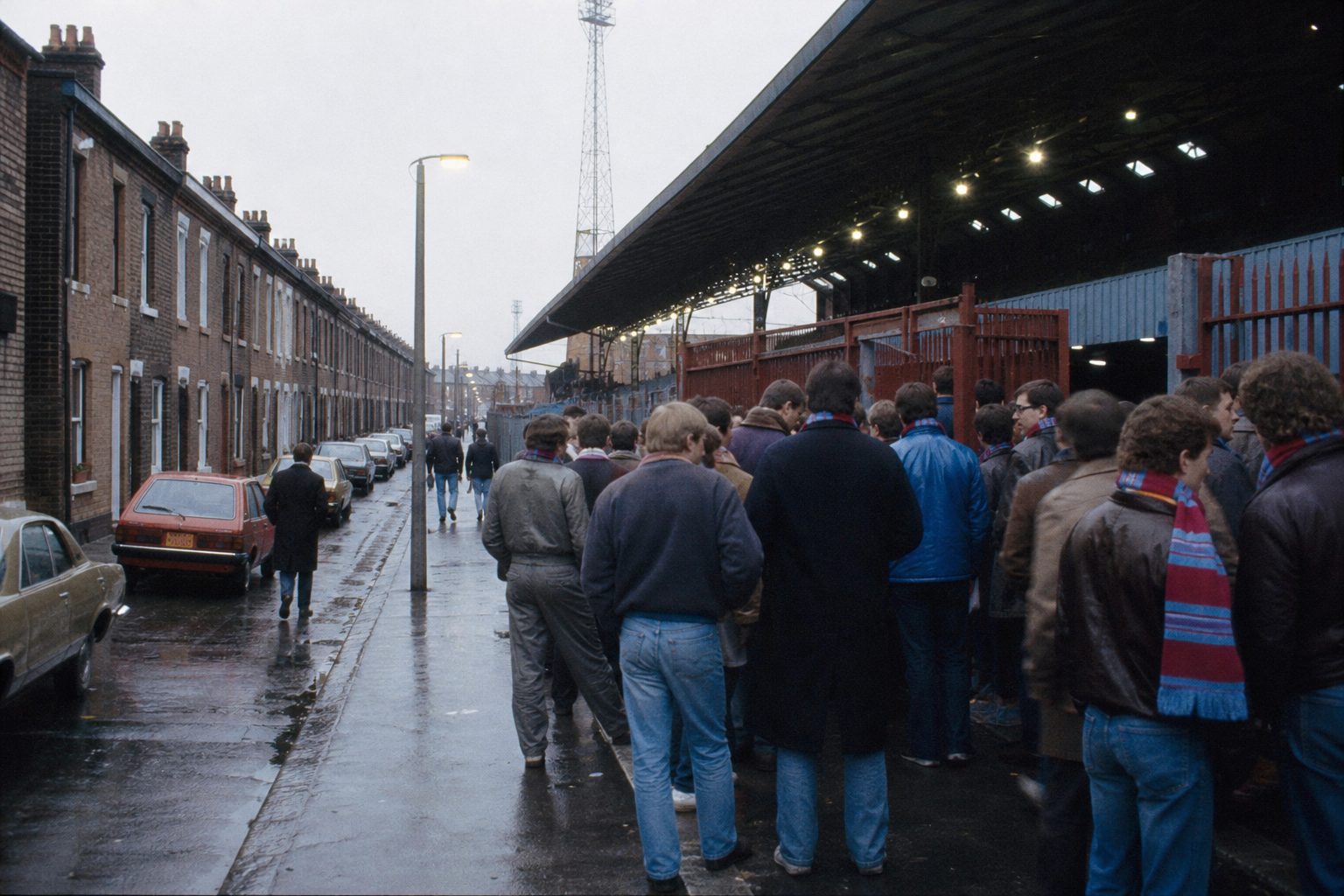
West Ham United grew out of the docks. In 1895 the Thames Ironworks and Shipbuilding Company, whose yards built warships on the river, formed a works team, and in 1900 it was relaunched as West Ham United. The nickname "the Irons" still points back to those riveters and shipwrights, and for more than a century the club played among the terraced streets of Upton Park at the Boleyn Ground before moving to the former Olympic Stadium in Stratford in 2016.
Moore, Hurst, Peters and the cups of the 1960s
West Ham's greatest decade was the 1960s. Ron Greenwood's side won the FA Cup in 1964, beating Preston North End 3–2, and returned to Wembley a year later to beat 1860 Munich 2–0 in the European Cup Winners' Cup final. Then came 1966. Bobby Moore captained England to the World Cup, Geoff Hurst scored a hat-trick in the final against West Germany and Martin Peters got the other goal. Three West Ham players, all of them part of the winning side on the biggest day in English football, is a claim no other club can make.
The FA Cup came back to the East End twice more. Alan Taylor scored both goals against Fulham in 1975, and in 1980 Trevor Brooking's rare header beat Arsenal while West Ham were a Second Division side.
The academy of football
The club calls itself the academy of football, and for once the slogan is backed by evidence. In the space of a few years in the 1990s the youth set-up produced Rio Ferdinand, Frank Lampard, Joe Cole and Michael Carrick, who between them went on to win a cabinet full of league titles and European trophies, mostly for other clubs. Declan Rice followed a generation later and captained West Ham to the Europa Conference League in 2023, when Jarrod Bowen's late goal beat Fiorentina 2–1 in Prague and gave the club its first major trophy in 43 years.
Not every hero came through the youth ranks. Julian Dicks, the fearsome left-back of the late 1980s and 1990s, was signed from Birmingham City and became a cult figure in two separate spells.
The West Ham team of 2009
The West Ham team of 2009 deserves a note of its own. Gianfranco Zola took over as manager in September 2008 with no previous experience in charge of a club, and he inherited a club in financial trouble: its Icelandic owner had been badly hit by the collapse of the country's banks that autumn. Craig Bellamy was sold to Manchester City in January 2009, and still Zola's side played some of the neatest football seen at Upton Park in years, finishing ninth in the 2008–09 Premier League.
Robert Green was in goal, Matthew Upson in the middle of defence, and the midfield ran through Scott Parker and the academy product Mark Noble, with Carlton Cole leading the line. Dean Ashton, an England international striker of rare touch, was by then fighting the ankle injury that ended his career at 26. The following season was a struggle against relegation, the club changed hands in early 2010 when David Gold and David Sullivan bought it, and Zola left that summer.
More on West Ham United
Hammers connections run through the Brit abroad sticker quiz, 33 British players and managers who tried their luck overseas. Green's move from West Ham to Queens Park Rangers puts him in goal in the free transfer XI of summer 2012, two years after a World Cup moment he would rather forget. The man they called the Terminator gets a full treatment in the Julian Dicks player profile. Another uncompromising defender who passed through Upton Park, at the end of the 1990s, is remembered in the Neil Ruddock player profile. And the crest's evolution, including the 2016 redesign for the move to Stratford, is laid out in the history of the West Ham badge.