 ThreeMatchBan
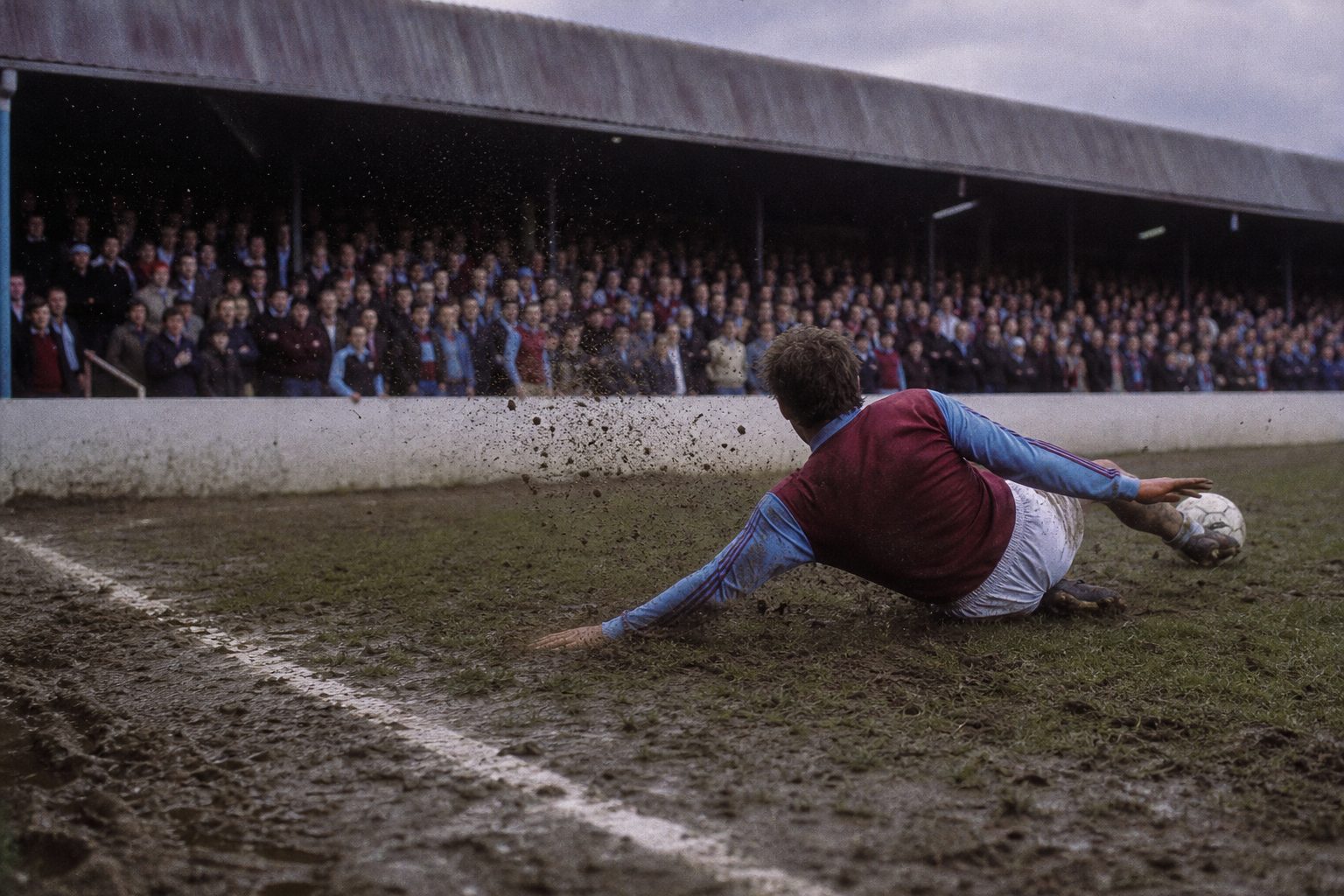
Few full-backs have ever been cheered for a tackle the way Julian Dicks was. The Julian Dicks West Ham supporters remember was a shaven-headed left-back with a left foot like a sledgehammer, a penalty technique that seemed designed to test the strength of the net, and a disciplinary record that had referees reaching for their pockets before he had arrived. Upton Park called him The Terminator, and meant it fondly.
He was never a fashionable player. He never won a full England cap either, an omission still raised in East London pubs whenever the subject of left-backs comes up. Yet for the best part of a decade he was the first name on the West Ham teamsheet whenever his knees allowed it, and his reputation has outlived plenty of more decorated contemporaries.
From Bristol to Birmingham, then West Ham
Dicks was born in Bristol and came through as a teenager at Birmingham City, breaking into the first team in the mid-1980s. St Andrew's was a hard school in those years, with a side that spent more time scrapping than winning, and nothing about the experience softened his style. By the time West Ham signed him in 1988 he was already known as a full-back who went for the ball, the winger and occasionally the advertising hoardings with equal commitment.
West Ham in that period were a yo-yo club. They went down from the old First Division in 1989, came back up in 1991, went down again in 1992 and climbed straight back in 1993 as the Premier League took shape. Dicks lived through most of it. A serious knee injury in the early 1990s cost him a long spell out, and the knee would trouble him for the rest of his career, but each time he returned he looked exactly the same: socks rolled down, hair cropped, ready to fly in.
The supporters loved that sameness. Managers came and went, divisions changed, and Dicks kept doing what he did.
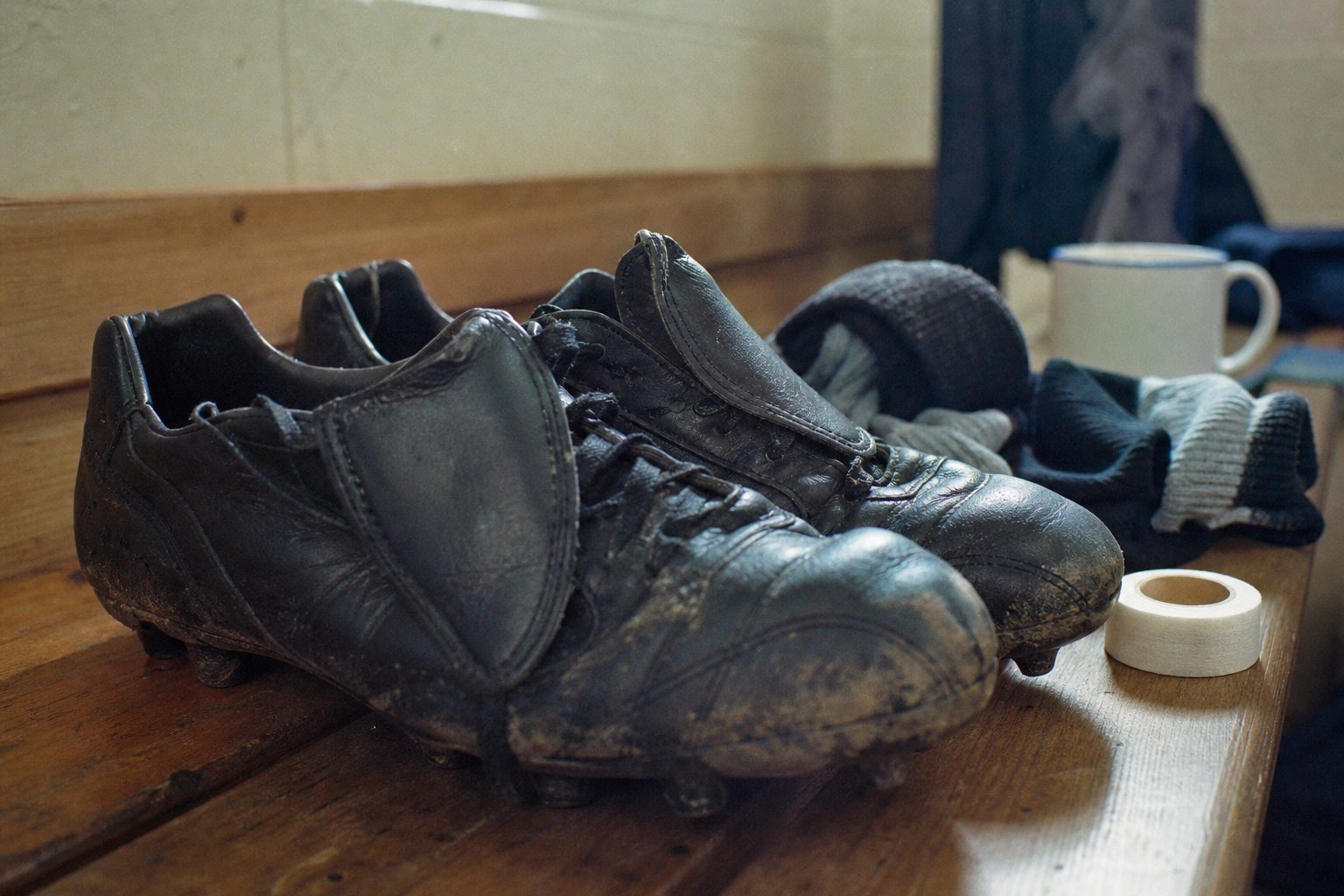
Why West Ham fans called him The Terminator
The nickname arrived because of the tackling, but it stuck because of everything else. The Terminator described a style that took no prisoners: Dicks went through wingers in the old-fashioned way, and he collected red cards and suspensions to match. Modern refereeing would have had him in the stand every other week. In the early 1990s it made him a folk hero.
The shooting was the other half of the legend. Dicks struck the ball harder than almost anyone in the English game, and he became West Ham's regular penalty taker. There was no stutter, no shimmy and very little subtlety. He ran up and leathered it, and more often than not the goalkeeper was left picking himself up while the ball bulged the roof of the net.
A left-back who chipped in with a steady stream of goals from the spot and from distance was a rare thing in the 1990s, and it added to the sense that Dicks was a one-off. He captained the side, and the supporters voted him Hammer of the Year more than once. For a club that has always valued commitment as highly as craft, the combination was irresistible.
The Liverpool year
In September 1993 Graeme Souness took Dicks to Liverpool, with Mike Marsh and David Burrows heading to West Ham as part of the deal. On paper it was a big step up: Anfield, a famous dressing room and a realistic chance of finally winning something.
It did not work out. Liverpool were in an unsettled phase, Souness left in January 1994 and his successor Roy Evans did not see Dicks as part of his plans. Stories about his fitness did the rounds, and the left-back spent long stretches on the fringes of the squad. His Liverpool spell lasted barely a year.
Neil Ruddock, another hard man who wore both shirts and briefly shared a dressing room with Dicks at each club, has his own cult-hero profile and makes a useful comparison. Both were loved more for their attitude than their medals, and both found that Anfield in the mid-1990s was not quite the place for old-school defending.
Back at West Ham under Harry Redknapp
Dicks returned to Upton Park in the autumn of 1994, soon after Harry Redknapp had taken charge, and it felt like a homecoming in every sense. The crowd had never really stopped singing his name. Redknapp's West Ham were a strange, entertaining mix of academy graduates, bargain signings and exotic gambles from abroad, and Dicks became the fixed point around which the rest of it moved.
Slaven Bilić arrived from Karlsruhe in 1996, and the Romanian Ilie Dumitrescu came across London from Tottenham the same year. Plenty of the imports struggled to adapt to a relegation scrap in the Premier League. Dicks never needed to adapt to anything. He was the reason away wingers dreaded the trip to East London, and he was still taking, and scoring, the penalties.
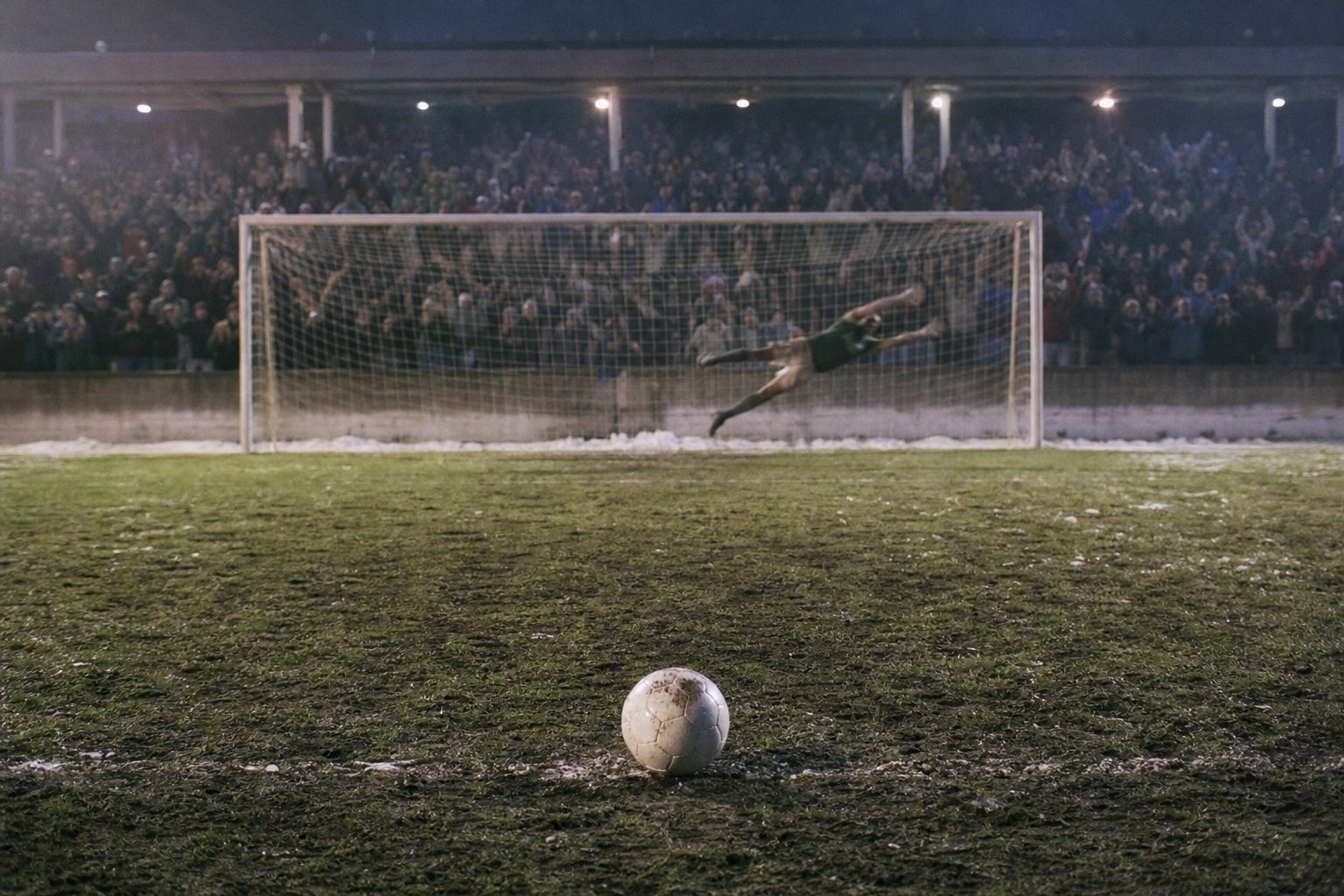
The knees finally won. He missed almost all of the 1997–98 season and managed only a short comeback in 1998–99, the season West Ham finished fifth in the Premier League, before retiring in 1999. Anyone who watched him play knew the end was coming: a career built on full-blooded challenges was always going to take a physical toll, and the surgery had piled up.
Supporters who want more on the club's story can find every West Ham piece gathered on the West Ham United hub, and the evolution of the crossed hammers is covered in the West Ham badge history.
After the boots: the Julian Dicks legacy
Dicks stayed close to the game after retiring, and his most visible return came when Slaven Bilić, his old team-mate, became West Ham manager in 2015 and brought him onto the coaching staff. Seeing The Terminator on the Upton Park touchline in a tracksuit, older but still unmistakable, was a treat for a generation that grew up watching him from the Chicken Run.
His standing has only grown since. The modern full-back is an auxiliary winger who rarely tackles at all, and Julian Dicks looks more and more like a figure from another sport. Ask a West Ham fan of a certain age to name a left-back and the answer arrives before the question is finished.
No honours list does him justice, and that is part of the appeal of the Julian Dicks West Ham fans still talk about. He won no major trophy, played no full international and spent half his career in a team fighting relegation. What he left behind was a set of memories: a sliding tackle that took man and ball, a captain's armband on a shaved head, and a penalty that nearly took the net off its hooks.