 ThreeMatchBan
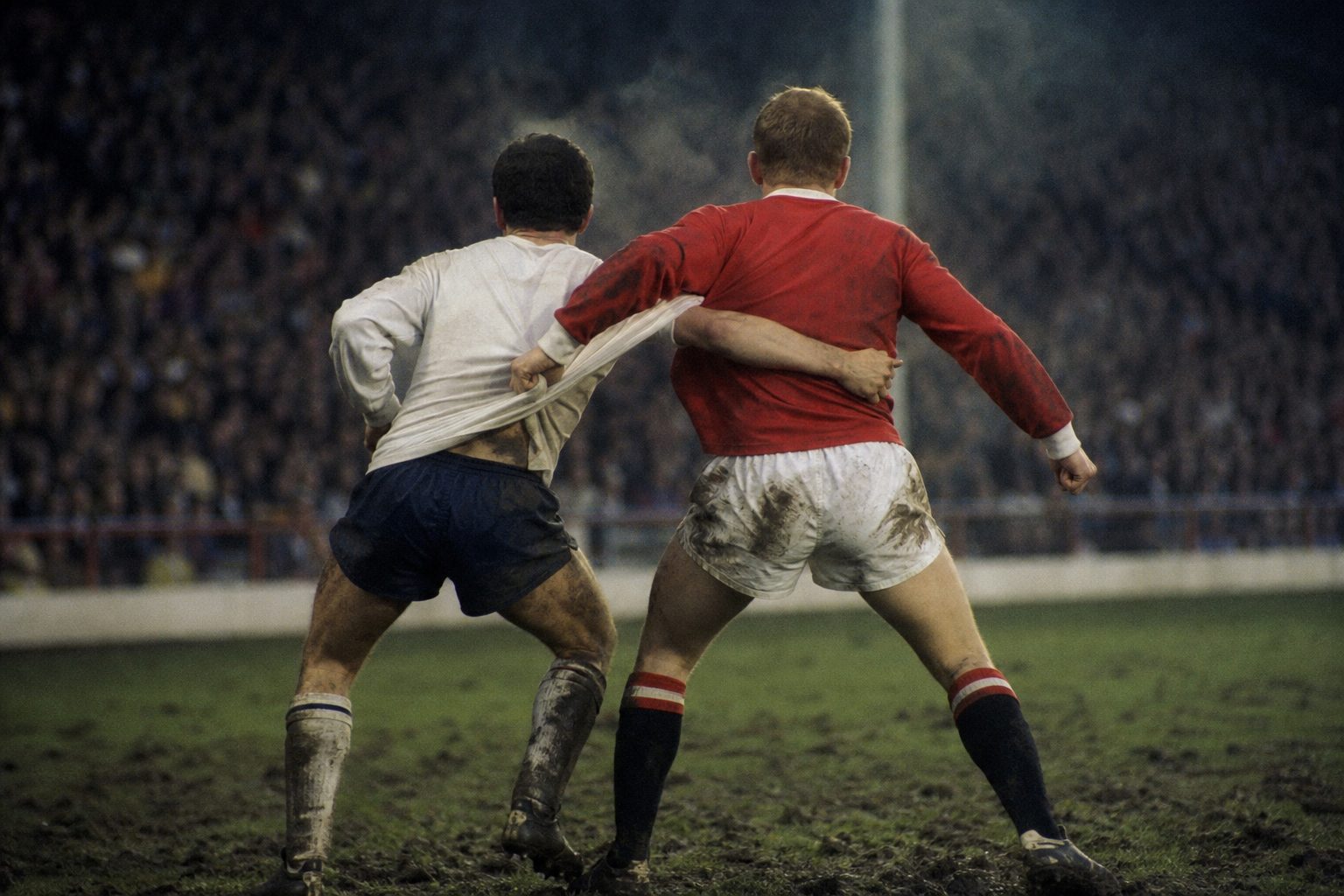
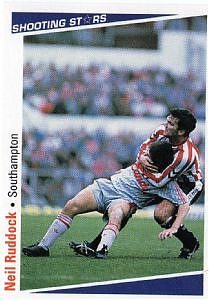
Is a headlock a legitimate tackle? Neil Ruddock's career suggested he was never entirely sure. For more than a decade the centre-half known to everyone as Razor did whatever it took to stop centre-forwards, and the rugged, uncompromising style that made opponents wince turned him into a cult figure at almost every club he played for.
His old Liverpool team-mate Ian Rush put it neatly in 1994: “I always make sure he's on my side in training. There's not an ounce of compromise in him.”
Millwall, Spurs and Southampton
Ruddock came through at Millwall, moved to Tottenham Hotspur as a teenager and then went back to The Den before Southampton gave him a proper first-team role. At The Dell he grew into a commanding stopper, strong in the air and happy to bring the ball out, with a left foot that could hit a long pass or a free kick hard. He was, in his own way, useful going forward.
A second spell at Spurs in 1992–93 showed he could play at a higher level, and in the summer of 1993 Graeme Souness took him to Liverpool.
Razor at Anfield
The Anfield years were the most successful of his career. Liverpool were rebuilding after the end of their great era, first under Souness and then under Roy Evans, and Ruddock was a fixture in the defence for several seasons. He was at the club when they won the League Cup in 1995, and in 1994 he won his only England cap, in a friendly against Nigeria at Wembley.
He also collected enemies. The most famous was Eric Cantona. As Ruddock told the story, he kept turning down the Frenchman's trademark upturned collar during a Liverpool against Manchester United game, until Cantona promised that the two of them would settle it “in le tunnel”. Whether the fight ever happened depends on who is telling the tale.
His reputation rested on moments like that, but there was a footballer underneath. He read the game well, won far more aerial duels than he lost and was a far better passer than the hard-man image suggested.
By the late 1990s, though, fitness had become a problem. His weight went up, his place in the side went down, and the friction with management that followed became a recurring theme of his final years in the game.
West Ham, Palace and a falling-out at Swindon
In 1998 he left Liverpool for West Ham United, where he joined a dressing room that already contained plenty of strong characters, among them his old Anfield colleague Julian Dicks. Supporters at Upton Park took to him quickly; the club's story is collected on the West Ham United pages.
A move to Crystal Palace in 2000 went less well. The chairman, Simon Jordan, later wrote a newspaper column in 2005 accusing him of taking team-mates out drinking while the club were fighting relegation.
In 2001 he joined Swindon Town as player-coach, working alongside the director of football Roy Evans, his old Liverpool manager. The club were in serious financial trouble. When Ruddock was reportedly asked to stand down to save money and refused, Swindon stopped paying his wages and reduced his coaching role. He took the club to a tribunal over the unpaid money and was awarded damages. That was the end of his time in professional football.
From the penalty area to prime time
Razor was never one to shy away from attention, and television found him. In 2004 he was one of the contestants on “I'm a Celebrity... Get Me Out of Here!”, where his dressing-room humour went down well with viewers and set up a second career as a minor celebrity.
In 2005 he presented the reality series Football Saved My Life on Bravo, and he appeared on Celebrity Wife Swap with his wife, Leah, swapping households with the singer Pete Burns.
Football pulled him back eventually. He set up the Pass & Move Soccer School, working with young players who had been released by academies and passing on his blunt approach to the game.
It suits him. Few defenders of the 1990s are remembered as fondly by the supporters of so many different clubs, and few would have made a better teacher of the dark arts. Fans of Liverpool's crests and colours from that period can find them in the Liverpool badge history; fans of the headlock will have to make do with the trading card.