 ThreeMatchBan
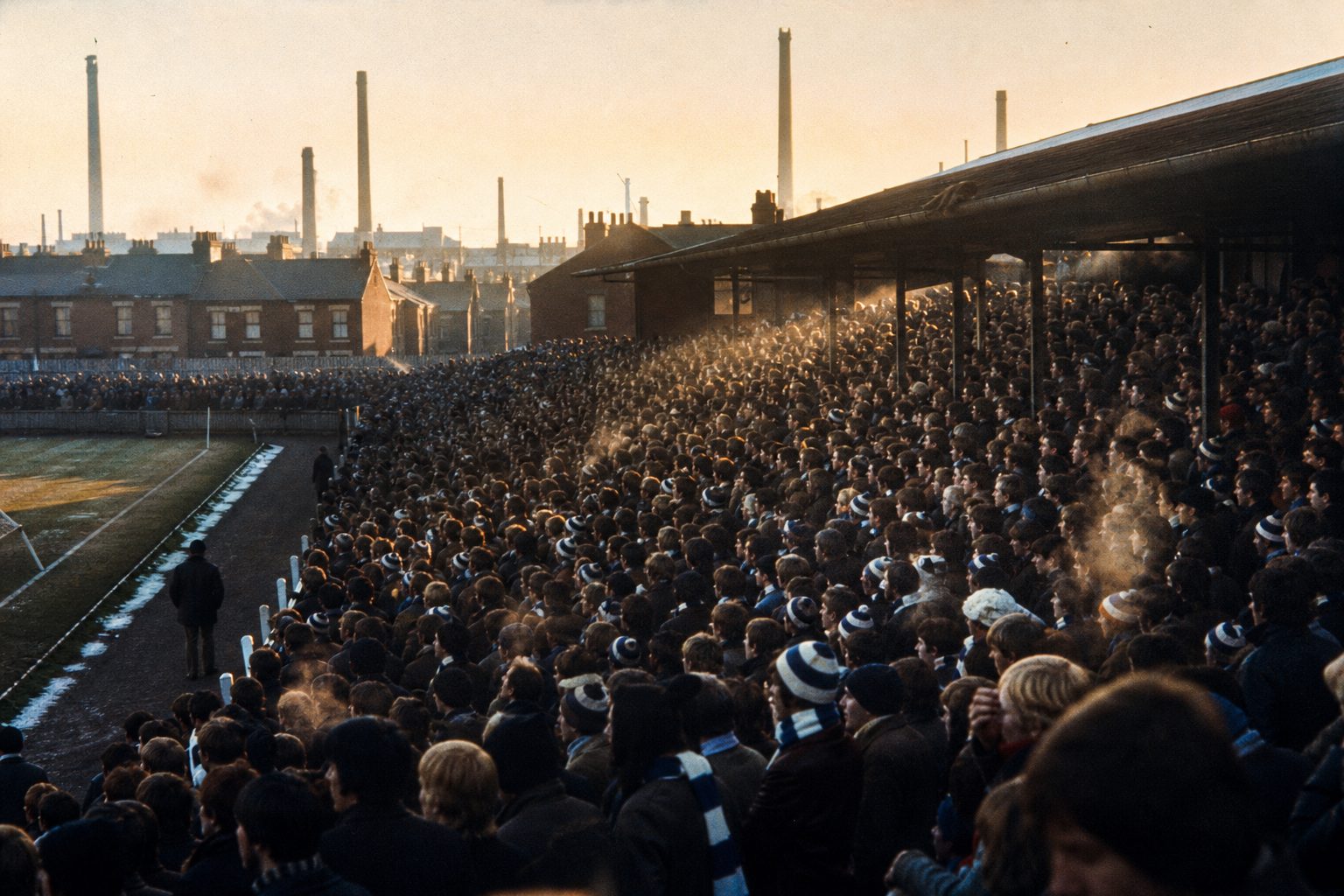
West Bromwich Albion began in 1878 as West Bromwich Strollers, a team formed by workers at a local spring-making firm, and within a decade the club had won the FA Cup and become one of the twelve founder members of the Football League. Its home since 1900 has been The Hawthorns, often described as the highest league ground in England, standing on the border between West Bromwich and Birmingham. The nickname "the Baggies" has several competing explanations and no agreed answer, while the older name "the Throstles" refers to the song thrush.
Five FA Cups and the King of the Hawthorns
Albion won the FA Cup in 1888, 1892, 1931, 1954 and 1968, and the league title in 1919–20. The League Cup followed in 1966, won over two legs against West Ham United. But the man who sums up the club for older supporters is Jeff Astle, the centre-forward who scored in every round of the 1968 FA Cup, including the extra-time winner against Everton at Wembley. Fans called him the King. When he died in 2002, aged 59, a coroner ruled that years of heading heavy leather balls had contributed to his brain disease, and the campaign led by his family has driven the debate about dementia in football ever since.
That is a hard legacy. It has also been an important one.
Atkinson, Regis, Cunningham and Batson
The Albion side of the late 1970s, managed by Ron Atkinson, is remembered far beyond the Black Country. Cyrille Regis, Laurie Cunningham and Brendon Batson were three black players starring together in a top-flight team at a time when racist abuse from the terraces was routine. Their football answered it. In December 1978 Albion won 5–3 at Old Trafford in one of the great First Division matches, and the team finished third that season.
Cunningham's talent took him to Real Madrid in 1979, making him the first Englishman to play for the club. Regis went on to play for England and spent years at Coventry City, where he won the FA Cup in 1987.
The same side had a young Bryan Robson driving the midfield and Tony Brown, the club's all-time record goalscorer, still finding the net. When Atkinson left for Manchester United in 1981 he took Robson with him for a British record fee, and the best Albion team in a generation was broken up within a couple of seasons.

Yo-yo years and the Great Escape
The decades that followed were bumpy. Albion dropped into the old Third Division in the early 1990s and spent the early 2000s moving up and down between the top two divisions. The most famous season of that period was 2004–05, when Bryan Robson's side were bottom of the Premier League at Christmas and survived on the final day, the first team to manage that feat. The "Great Escape" is still celebrated at The Hawthorns.
A more settled spell in the Premier League through the 2010s, with Tony Pulis among the managers, ended with relegation in 2018. Promotion in 2020 brought a single season back among the elite before another drop, and the derbies with Wolves and Aston Villa remain the dates every Albion supporter looks for first when the fixtures come out.
More on West Brom
One of the players from Albion's yo-yo era gets a frank profile in the Ronnie Wallwork player profile, from Manchester United title winner to a lifetime ban in Belgium and a prison sentence. Cunningham's move to Madrid makes him exactly the sort of pioneer featured in the Brit abroad sticker quiz, 33 British players and managers who tried their luck overseas. Carlton Palmer, who started his career at The Hawthorns before Sheffield Wednesday and Leeds, is the subject of a critical pictorial analysis that sums him up in two words. And Albion's Black Country neighbours are the subject of the piece on Wolves striker Steve Bull playing for England, a lower-division goalscorer called up in a way that could never happen now.