 ThreeMatchBan
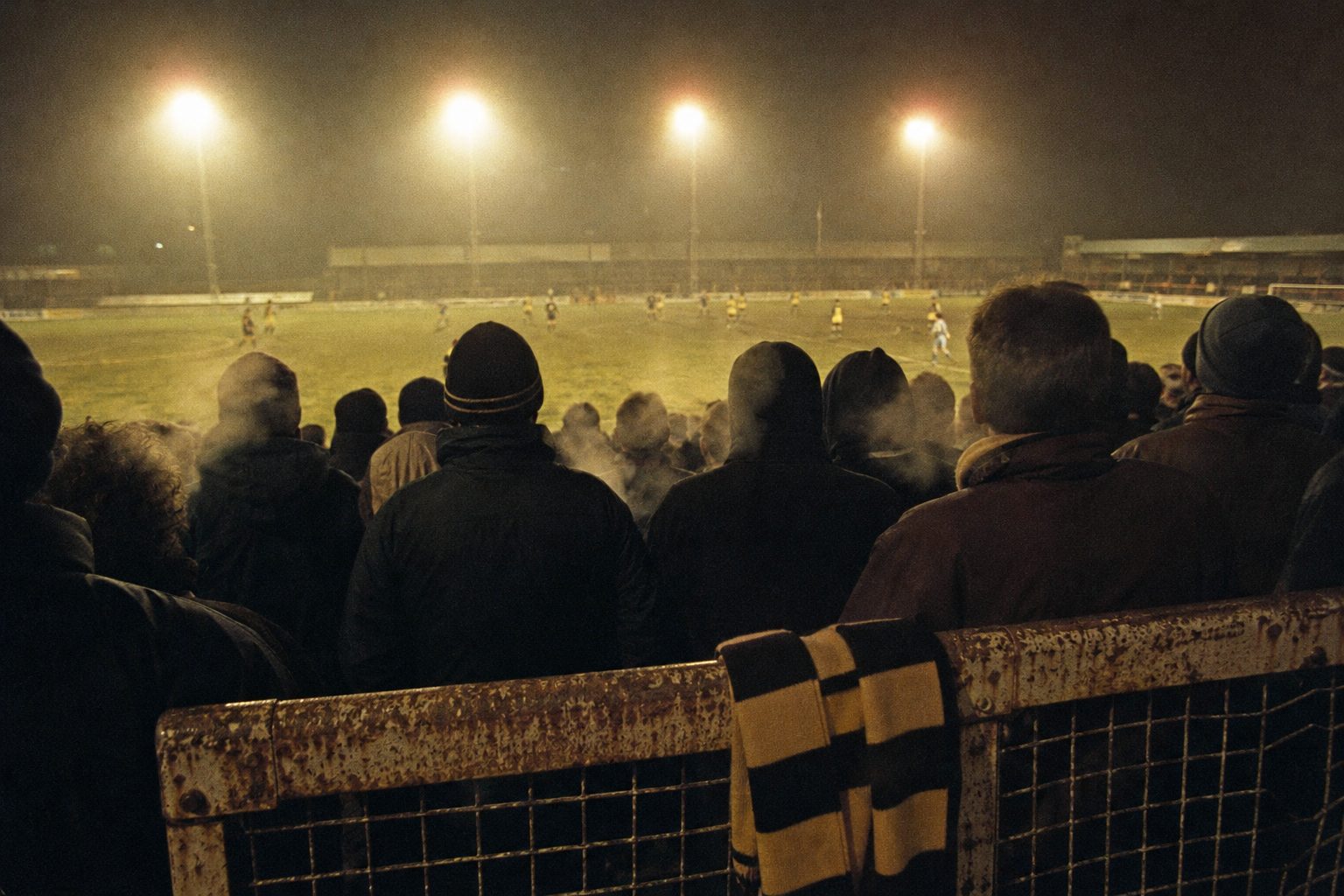
Third Division player. Picked for England. Scores on debut. Pitch that plot at a story meeting for Roy of the Rovers and it would probably have been screwed into a ball and lobbed at the bin for being too far-fetched. Yet in 1989 it actually happened, and the Steve Bull England story remains one of the strangest, and happiest, footnotes in the history of the national team.
Stephen George Bull was a crop-haired centre-forward from Tipton in the Black Country. He was not a product of a famous academy and he was not spotted as a schoolboy prodigy. He was spotted working.
From the warehouse floor to Wolves
At twenty, Bull was still pulling thirteen-hour shifts in a warehouse, seven days a week, and playing his football for Tipton Town. He never lost the outlook that came with it. "When I see footballers who don't give their all I feel like telling them to get down a factory and see how they like it. It might buck their ideas up a bit," he told Shoot! magazine, a line that probably did not endear him to every dressing room in the land but went down very well on the terraces.
His manager at Tipton recommended him to West Bromwich Albion. At The Hawthorns he made only a handful of appearances, nine in all competitions, and scored three goals. A goal every three games for a raw youngster is the kind of return most clubs would nurture, but Ron Saunders let him go after about fifteen months, and to make it worse for Albion fans he went to their bitter neighbours, Wolverhampton Wanderers, in a combined £65,000 deal with Andy Thompson.
It became one of the great bargains of the decade. Wolves at the time were a wreck of a club, fallen from the First Division to the Fourth in successive relegations and playing in a half-empty, crumbling Molineux. Bull did not arrive until November 1986, and still scored nineteen goals that season.
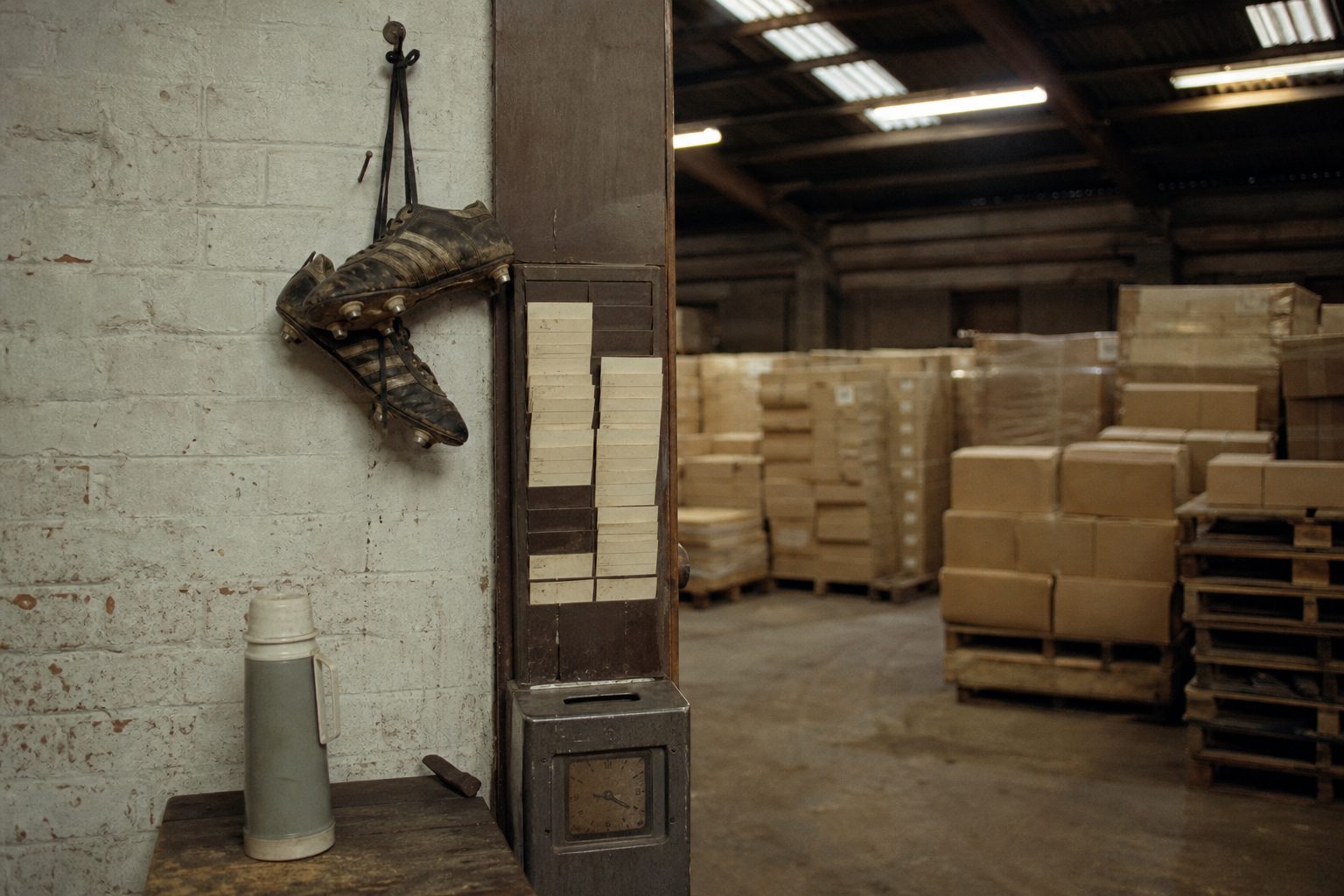
Steve Bull's goals for Wolves
Then the numbers became silly. In 1987–88 Steve Bull scored 52 goals in all competitions as Wolves won the Fourth Division title and also lifted the Sherpa Van Trophy at Wembley. Anyone who thought it was a fluke got their answer the following year, when he scored another 50 and Wolves won the Third Division as well. Two seasons, two titles, more than a hundred goals.
The goals were not subtle. Bull was strong, brave in the air, quick across the first few yards and willing to shoot from angles that coaches would describe as optimistic. Defenders from Exeter to Darlington learned to dread him. Wolves fans simply called him Bully and made him the symbol of the club's revival.
He kept going for another decade. By the time knee problems ended his Football League career in 1999, Bull had scored 306 goals for Wolves, a club record that nobody has come close to since, and the old John Ireland Stand at Molineux now carries his name.
Steve Bull and England: the 1989 debut at Hampden
Goals on that scale could not be ignored, even from the third tier. The England set-up fast-tracked him through the Under-21 side, despite the fact that he was over-age, and Bobby Robson then named him in the senior squad for the Rous Cup in the spring of 1989.
On Saturday 27 May 1989 England met Scotland at Hampden Park. Chris Waddle had headed England in front when John Fashanu limped off before half-time and the debutant was sent on. The man who had spent the season terrorising Third Division defences now had a full Hampden crowd to deal with, and he looked entirely unbothered by it.
With about ten minutes left, Gary Stevens launched a long ball forward and Bull went up for it; the ball skidded off his back, he turned in a flash and drove a fierce shot past Jim Leighton. England won 2–0. As the home fans streamed for the exits, Bryan Robson, Waddle and Paul Gascoigne were among those congratulating him, and it is easy to imagine Bull half expecting to wake up back on the warehouse floor.
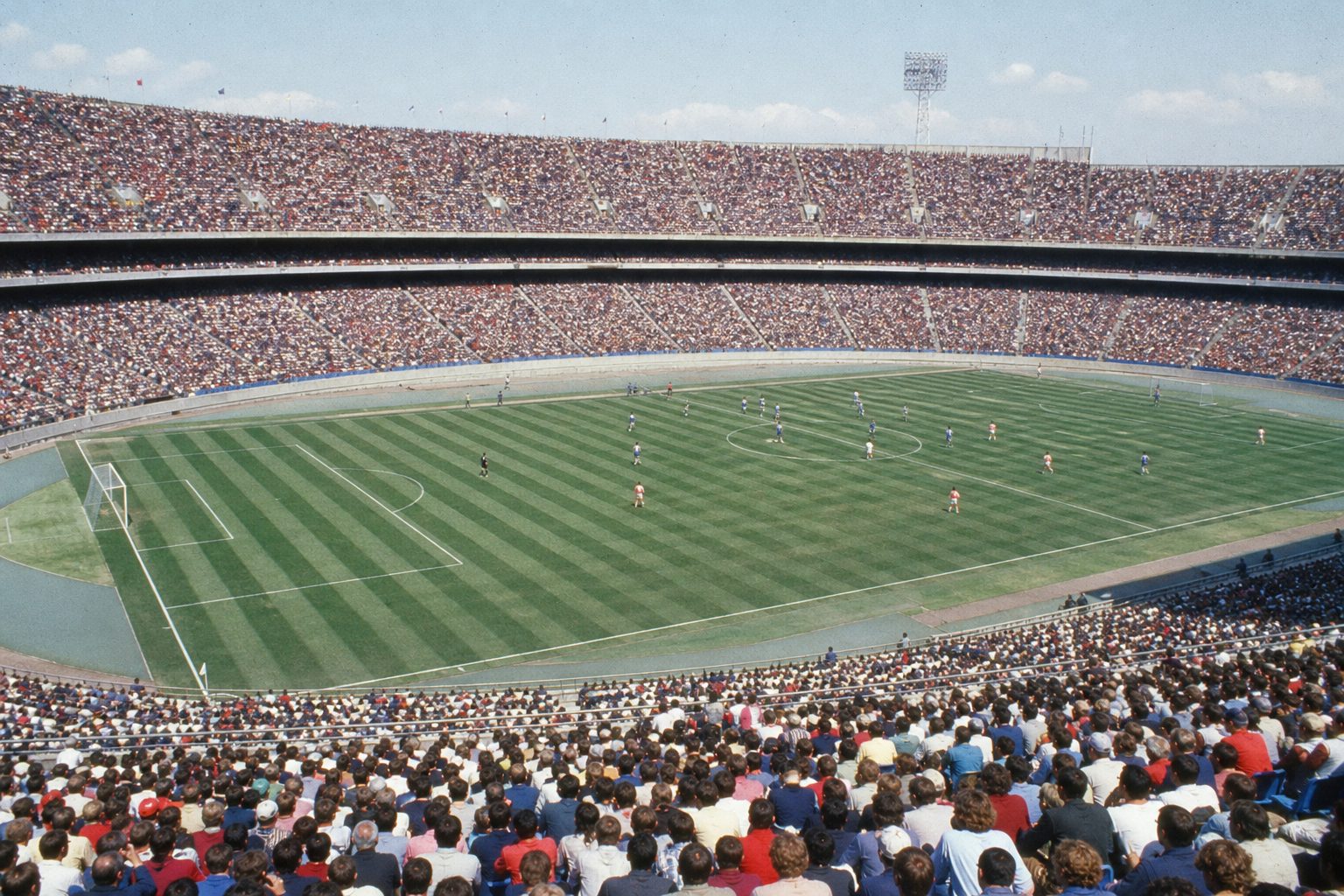
He went to the 1990 World Cup in Italy as part of Robson's squad and finished his international career with 13 caps and four goals. The last of those caps came against Poland in October 1990. By then Wolves had stalled in the old Second Division, and Bull chose to stay with them rather than chase a move to a bigger club. Loyalty cost him his England place. It also made him a legend at Molineux, which is not a bad trade.
Why a lower-league England player could never happen now
Bull was not the very first player from the third tier to pull on an England shirt. Tommy Lawton did it while at Notts County in 1947–48, Coventry's Reg Matthews won five caps in the mid-1950s, Crystal Palace's Johnny Byrne played once in the early 1960s, and Peter Taylor, also of Palace, won four caps in 1975–76.
The difference is that all of those players came from an era when talent was spread more evenly through the divisions. Since the arrival of the Premier League, and especially since big clubs began hoovering up young players into enormous squads and academies, a striker of genuine international quality is almost never left in the lower leagues long enough to be noticed there. If a modern Bull scored fifty goals in League One, he would be sold to a top-flight club before the season was out.
That is why he is almost certainly the last. Players from outside the top flight still get called up occasionally, usually from the Championship, but the full sequence of factory job, third-tier goals, debut goal against Scotland and a World Cup squad belongs to a vanished football world, one that Derek Hammond and Gary Silke catalogue with great affection in their book Got, Not Got: The A–Z of Lost Football Culture, Treasures and Pleasures, and on its companion blog.
For anyone who remembers the dog-eared Panini stickers of that era, there is something fitting about the fact that Steve Bull's England career lasted less than eighteen months. Comic-strip stories are supposed to be short, and the Steve Bull England chapter was exactly that. Wolves fans, who watched him for thirteen seasons, still get the long version.