 ThreeMatchBan
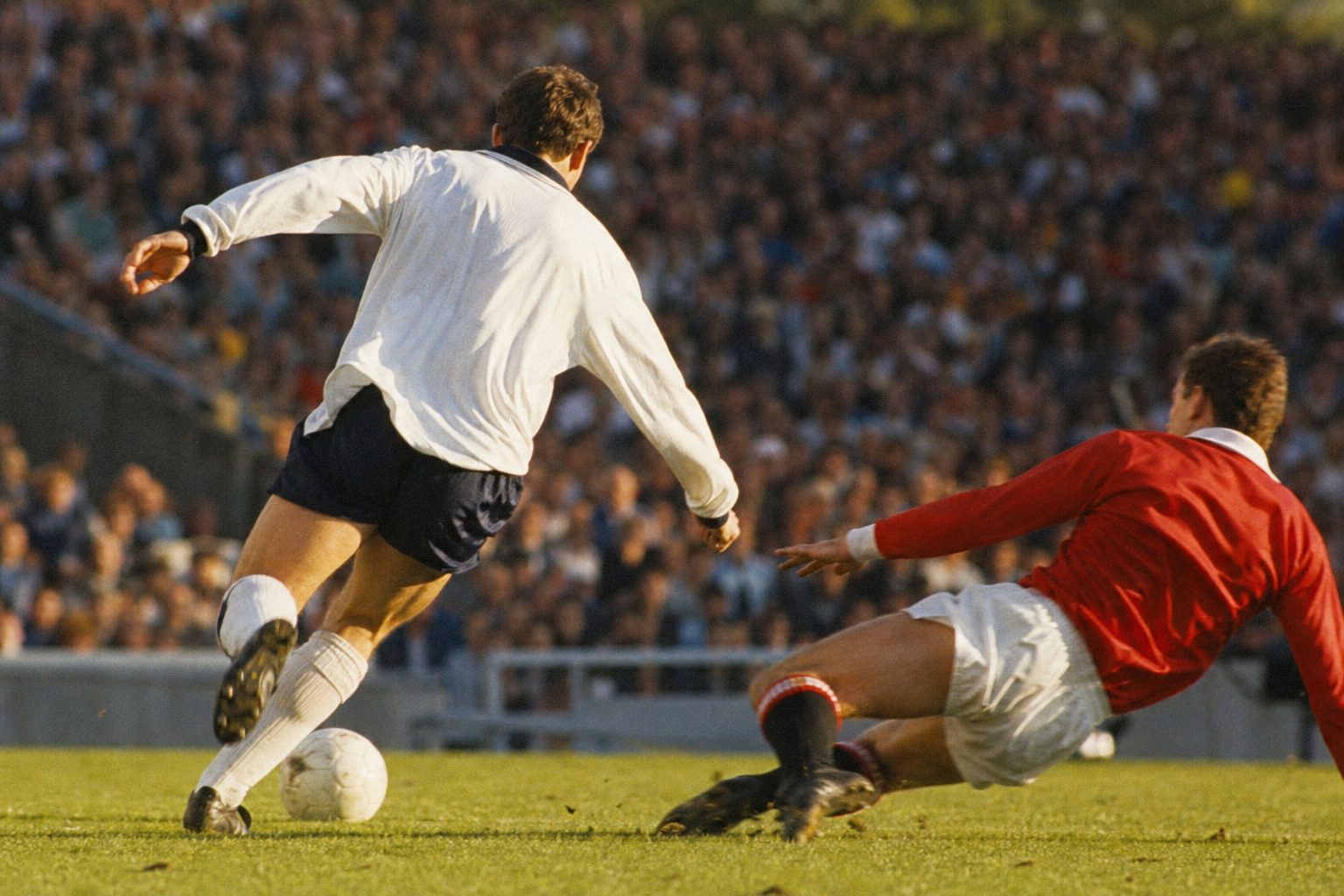
At first glance Chris Waddle had all the agility of an antique Victorian wardrobe. His shirt was never tucked in, he drifted about the pitch when the ball was elsewhere, and he had none of the qualities a coach would list for a winger. And yet, with the ball at his feet, he was one of the most gifted English players of his generation.
A winger without a box of tricks
Modern wide players tend to be a whirl of stepovers and sprints. Waddle had neither. He did not need them. Without the ball he could look ungainly, almost awkward, but once it was at his feet everything slowed down and became graceful.
His method was simple and endlessly repeated. He would sidle up to a full-back, drop a shoulder, wiggle a knee to suggest one direction and then glide off the other way. Defenders knew it was coming. They still bought it, week after week, season after season, and when he was in the mood he would come back and beat the same man again just for the pleasure of it.
That gangly, slightly hunched style made him a hero to every awkward schoolboy footballer who hoped skill might count for more than speed. Plenty of youngsters in the 1980s and 1990s followed Sheffield Wednesday for no reason other than Waddle.
Newcastle, Spurs and a top-20 single
He started at Newcastle United, where he was part of the Kevin Keegan and Peter Beardsley side that won promotion to the First Division in 1984. A year later Tottenham Hotspur signed him, and at White Hart Lane he formed a partnership with Glenn Hoddle that produced some of the most elegant football of the decade.
It also produced "Diamond Lights", the 1987 single the pair recorded together and performed on television, which became a top-20 hit and has been gently mocked ever since. The same year Spurs reached the FA Cup final, where they lost 3–2 to Coventry City, a day better remembered by Sky Blues fans and their goalkeeper Steve Ogrizovic.
Magic Chris in Marseille
In 1989 Waddle left for Olympique de Marseille, and it was there that he was at his best. Bernard Tapie's side won the French title in 1990, 1991 and 1992, and the supporters at the Vélodrome called the Englishman "Magic Chris". He reached the 1991 European Cup final, lost on penalties to Red Star Belgrade in Bari, and he and team-mate Basile Boli even recorded a song together in France, We've Got A Feeling.
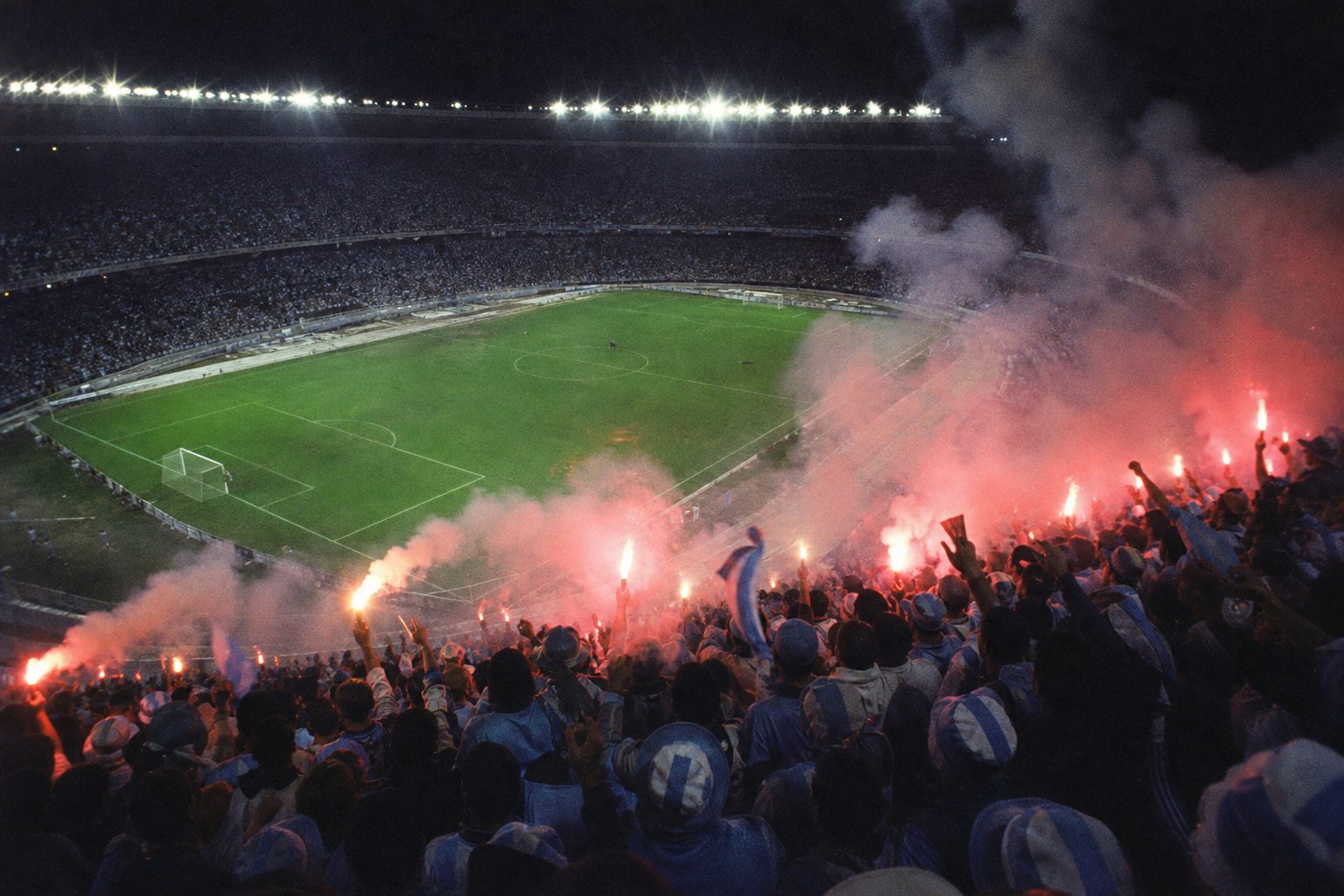
He remains one of the most successful British exports to continental football, a regular in any Brit abroad sticker quiz.
Italia 90 and the England years
For many people, though, one kick defines him. In the 1990 World Cup semi-final in Turin, England and West Germany drew 1–1 and went to penalties. Stuart Pearce's effort was saved, and Waddle, needing to score, sent his kick high over the bar. Earlier, in extra time, he had struck the post. Few players have come so close to sending England into a World Cup final.
The miss effectively ended his England career. Graham Taylor, who succeeded Bobby Robson after the tournament, rarely picked him, and Waddle's international days were over by the early 1990s.
Sheffield Wednesday and the long goodbye
He came home in 1992 to join Sheffield Wednesday, and the following season was arguably the finest of his career in England. His free kick opened the scoring in the FA Cup semi-final against Sheffield United at Wembley, Wednesday reached both domestic cup finals, losing each to Arsenal, and he was named Footballer of the Year by the Football Writers' Association in 1993.
Both finals were cruel. Arsenal won the League Cup final 2–1, then the FA Cup final went to a replay after a 1–1 draw, and Andy Linighan's header in the last minute of extra time in the replay settled it. Waddle had carried Wednesday through the season; he finished it with two losers' medals and the writers' award as consolation.
He kept playing for years afterwards, turning out for a string of clubs including Sunderland and Burnley, where he had a spell as player-manager. Later he became a familiar voice as a radio summariser, as candid about the modern game as he once was languid on the ball.
The mullet, mercifully, has gone. The memory of a full-back sitting on the turf, wondering where the ball went, has not.