 ThreeMatchBan
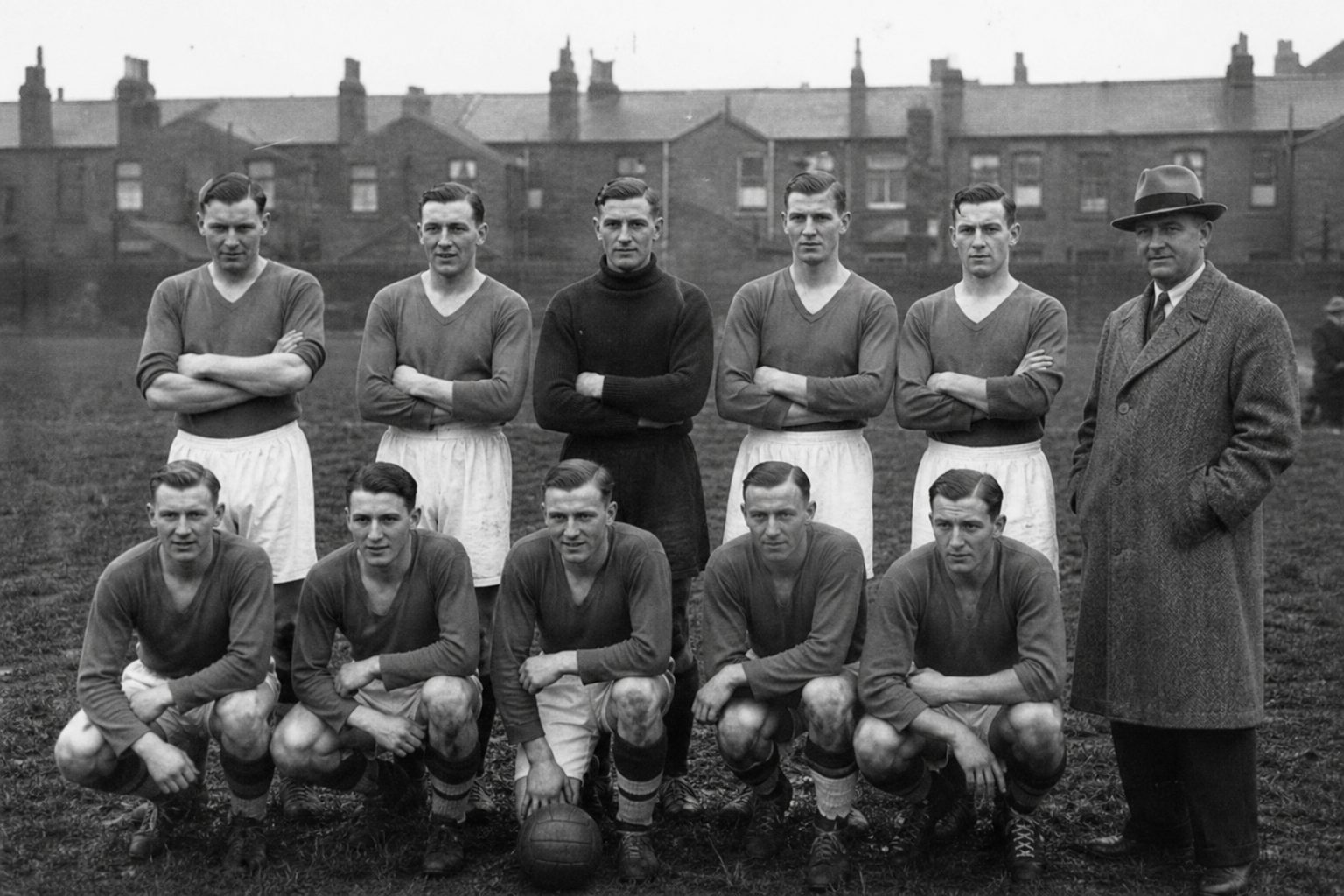
Managers were addressed as Mr, a squad consisted of eleven players and an old book stuffed down the sock did the job of a shin pad. The Topical Times Football Book of 1959 captured that world in its pages of team portraits, and one of its spreads gathered the cup winners and champions of England, Scotland and Ireland from the 1958–59 season.
It is a lovely period piece. Look closely and a Newcastle goalscoring legend turns up in an unexpected role.
The Topical Times Football Book and its world
The Topical Times Football Book was one of the great annuals of post-war British football, a hardback stuffed with photographs, player profiles and pin-up pages, aimed squarely at boys who would find it under the tree on Christmas morning. Its team pictures followed a strict formula: two rows, arms folded, shirts buttoned to the neck, hair parted with a ruler and held in place with something from a jar.
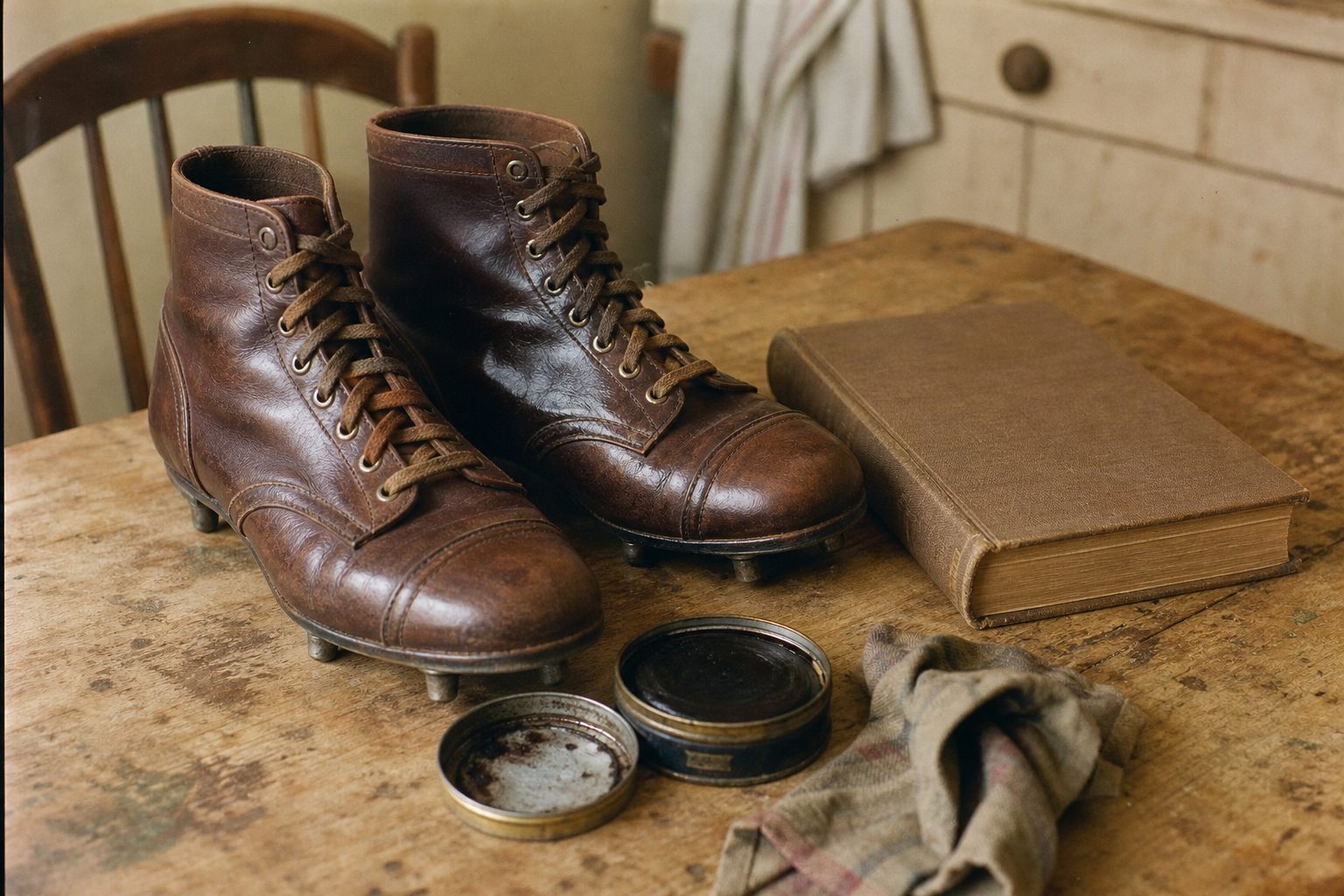
The colour plates were often hand-tinted, giving every kit a slightly unreal brightness. Boots were heavy leather with nailed studs, softened with dubbin before every match. Nobody had a sponsor on his chest. A sense of formality ran through everything, from the suits worn by the managers to the captions describing each player by his initial and surname.
The 1959 edition looked back on a season dominated by a team in old gold.
Wolves: champions of England again
Wolverhampton Wanderers won the First Division in 1958–59, retaining the title they had taken the year before. This was the great Wolves side of Stan Cullis, a fast, direct team that had also made its name in pioneering floodlit friendlies against the best clubs on the continent at Molineux during the 1950s.
Their captain was Billy Wright. In April 1959 he became the first footballer in the world to win 100 international caps, against Scotland at Wembley, and he retired that summer. Few players have ever left the game at such a peak. The club's later fortunes, and the very different England careers of its later heroes, are a theme picked up in the piece on Steve Bull and England.
Nottingham Forest and the ten-man final
The FA Cup went to Nottingham Forest, who beat Luton Town 2–1 at Wembley in May 1959. It was Luton's first FA Cup final and Forest's first triumph in the competition since 1898. The match is remembered for the cruel fate of Roy Dwight, who scored for Forest and then broke his leg. With substitutes not permitted in the Football League or the Cup until the mid-1960s, Forest played the rest of the afternoon with ten men and hung on.
That detail explains the eleven-man squad joke better than any caption could. If a player went down, he either limped on the wing or the side carried on a man short. Forest's shirts of the time carried an adaptation of the City of Nottingham arms rather than the tree, which only arrived in the 1970s; the full story is in the Nottingham Forest badge history.
Rangers, St Mirren and the Scottish season
North of the border Rangers took the Scottish League title under Scot Symon, another chapter in the long run of championships that has made the Ibrox club so dominant in the Scottish record books. The Scottish Cup produced a happier surprise for a smaller club: St Mirren beat Aberdeen 3–1 in the final at Hampden in front of a vast crowd, a result still treasured in Paisley.
How the Ibrox club's crest has evolved since those days is traced in the Rangers badge timeline.
Jackie Milburn, player-manager in Belfast
The Irish section holds the surprise. Among the Belfast faces is Jackie Milburn, the Newcastle United centre-forward who had won the FA Cup three times in the 1950s, in 1951, 1952 and 1955, scoring inside the first minute of the 1955 final against Manchester City. After leaving St James' Park in 1957 he crossed the Irish Sea to become player-manager of Linfield, and the old goalscoring habit came with him.
Milburn remained Newcastle's record goalscorer for half a century, until Alan Shearer finally passed his total in 2006. To Tynesiders he was simply "Wor Jackie", and a statue of him stands in the city.
Seeing him in a Linfield line-up feels a little like spotting a famous actor in a provincial repertory programme. It was common at the time: big names from the English game often finished their careers in Ireland, Wales or the lower leagues, combining playing with coaching for modest wages.
The rest of the page is pure 1959: Brylcreem, baggy shorts, mud-caked socks and men who look a decade older than their years. For more of that era, the story of the Newcastle United badge Milburn wore is a good place to linger.