 ThreeMatchBan
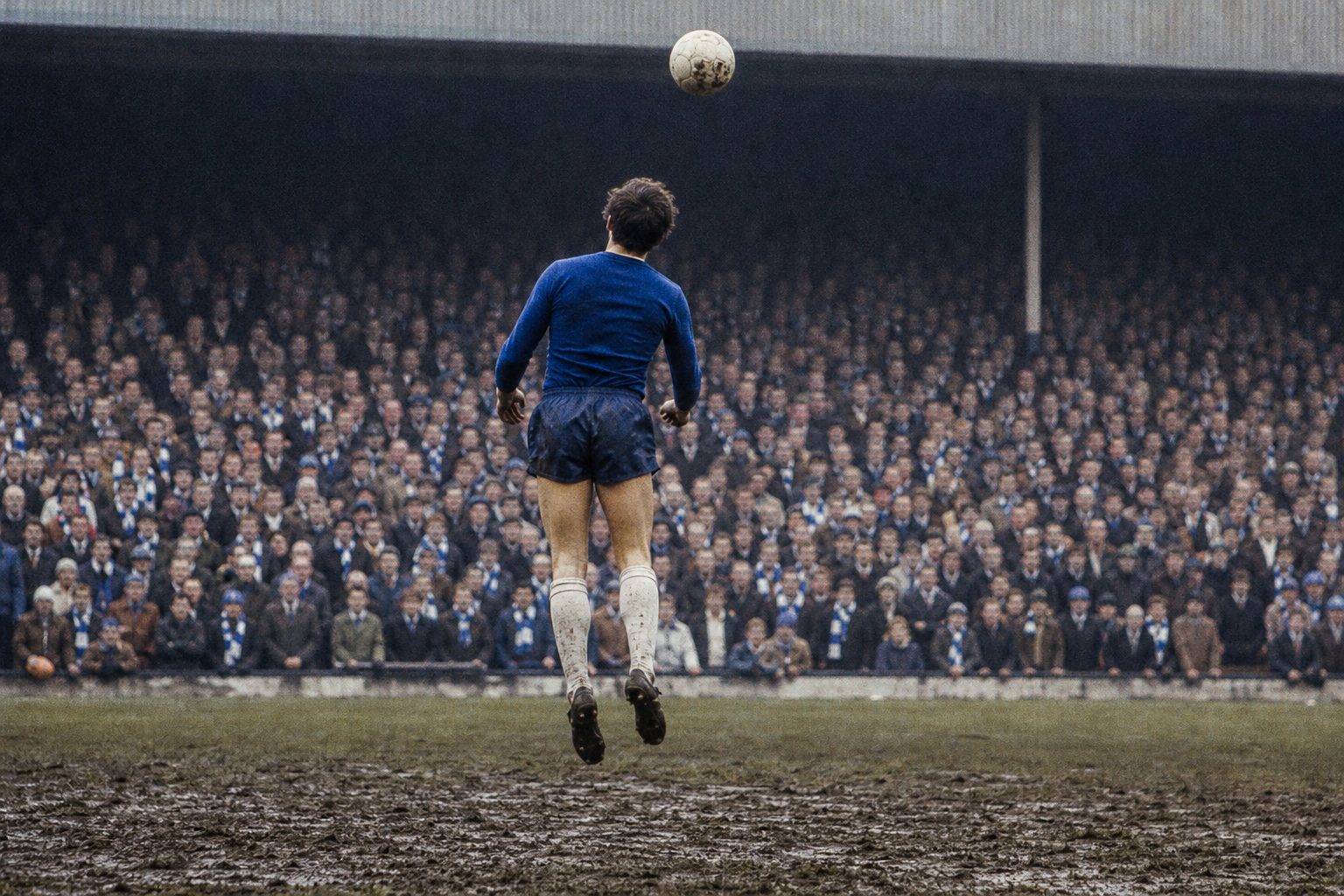
Chelsea is one of the few clubs that was created to fill a stadium. In 1905 the businessman Gus Mears owned the athletics ground at Stamford Bridge and offered it to Fulham, who turned him down. Rather than sell the land, he founded a club of his own, and Chelsea were elected to the Football League before they had kicked a ball. The ground has been home ever since, squeezed between the Fulham Road and a railway line in one of the most expensive corners of London.
The first league title took fifty years. Ted Drake's side won it in 1954–55.
Osgood, the King's Road and the 1970s
The Chelsea of popular memory was born in the late 1960s, when the club and the King's Road seemed to share a wardrobe. Peter Osgood, Charlie Cooke and Alan Hudson brought flair, and Ron Harris brought the opposite. The 1970 FA Cup final against Leeds United finished 2–2 at Wembley on a ruined pitch, and the replay at Old Trafford, won 2–1 after extra time with a header from David Webb, is still remembered as one of the most violent finals ever played. A year later Chelsea beat Real Madrid in a replay in Athens to win the European Cup Winners' Cup.
Then the money ran out. Rebuilding the East Stand left the club deep in debt through the 1970s, and the decade that followed brought relegation, a Second Division title and a long fight to keep hold of Stamford Bridge itself.
Zola, Vialli and the continental revival
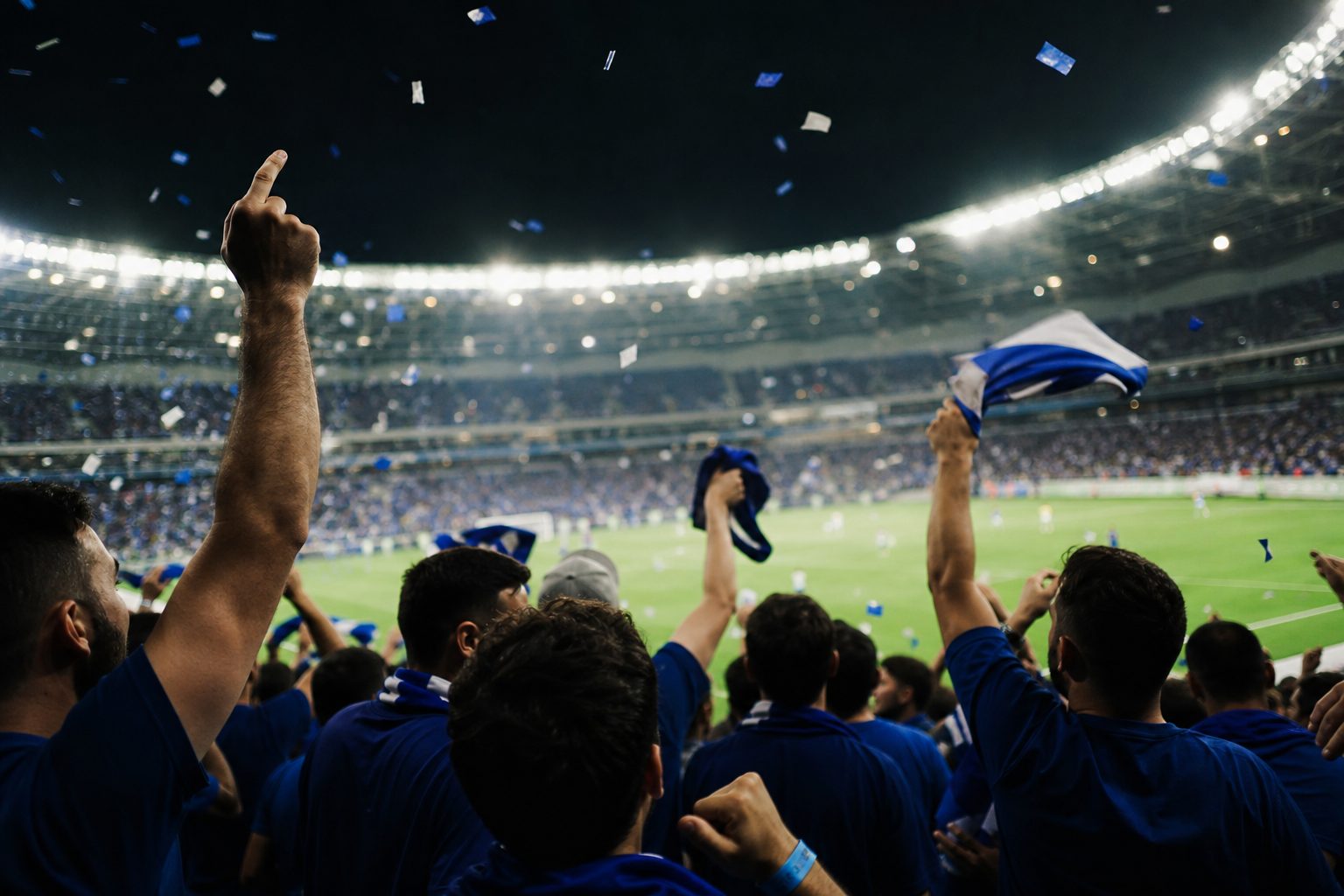
The revival began in the mid-1990s with Glenn Hoddle, then accelerated under Ruud Gullit. Roberto Di Matteo scored inside the first minute of the 1997 FA Cup final against Middlesbrough, and Gianfranco Zola, arguably the most loved player in the club's history, came off the bench to score the winner against Stuttgart in the 1998 Cup Winners' Cup final in Stockholm. Gianluca Vialli was player-manager that night. Zola's seven seasons at the Bridge produced free-kicks, backheels and a smile that never seemed to leave him.
The Abramovich era and the nights that followed
Roman Abramovich bought the club in 2003 and changed English football almost overnight. José Mourinho arrived in 2004 and won the title in each of his first two seasons, with a spine of Petr Čech, John Terry, Frank Lampard and Didier Drogba. The Champions League finally came in Munich in 2012, when Drogba headed a late equaliser against Bayern in their own stadium and then scored the decisive penalty in the shoot-out. Thomas Tuchel's team won it again in Porto in 2021, beating Manchester City 1–0.
Not every big signing worked. Fernando Torres cost £50m from Liverpool in January 2011, a British record at the time, and spent months unable to buy a goal, although he did score in the 2012 semi-final at the Camp Nou and in the 2013 Europa League final. Abramovich sold the club in 2022 after sanctions were imposed on him, and the new owners spent heavily on young players on long contracts. The gamble paid off sooner than many expected: Enzo Maresca's side beat Real Betis 4–1 in the Conference League final in Wrocław in May 2025, then thrashed Paris Saint-Germain 3–0 in the final of the expanded Club World Cup in New Jersey that July.
More on Chelsea
Chelsea connections run through the Brit abroad sticker quiz, which tests knowledge of transfers that crossed the Channel. Stamford Bridge goals feature in the Premier League goalscorer GIF quiz, twenty strikes with no commentary to help. Drogba's departure after Munich makes him a natural pick in the free transfer XI from summer 2012. Torres's slow start in blue gave the tabloids a field day in the week in headlines from February 2011. A difficult November for the club gets the pun treatment in the woe-vember week in headlines. The crest and its many redesigns are traced in the history of the Chelsea badge.