 ThreeMatchBan
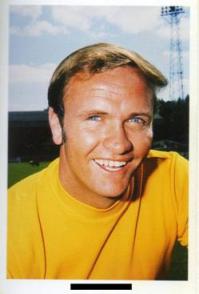
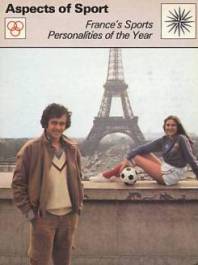
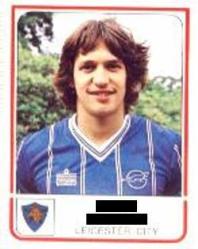
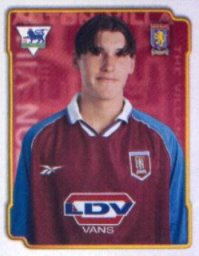
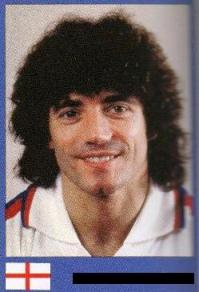
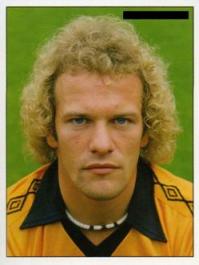
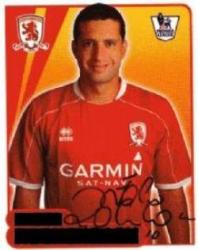
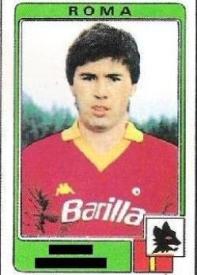
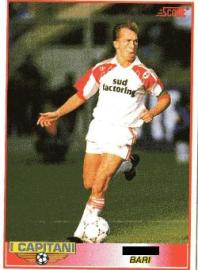
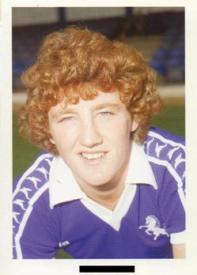
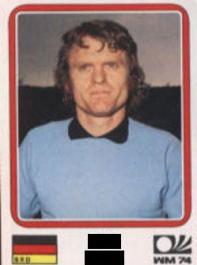
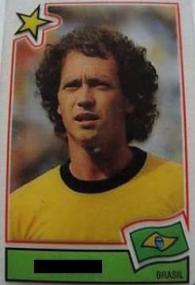
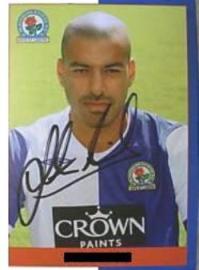
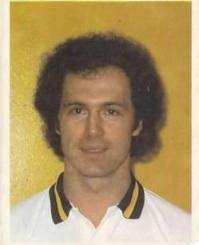
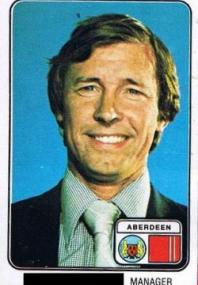
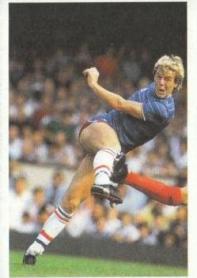
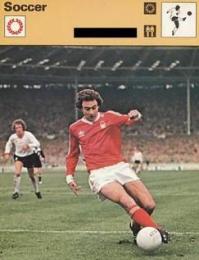
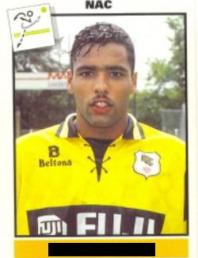
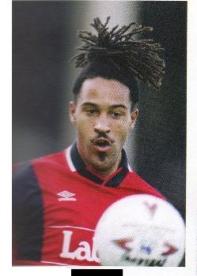
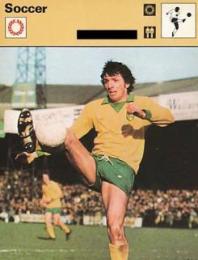
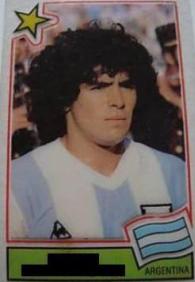
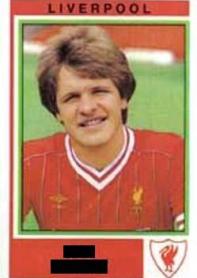
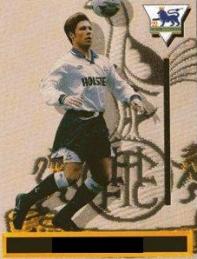
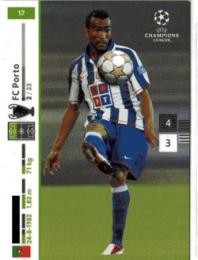
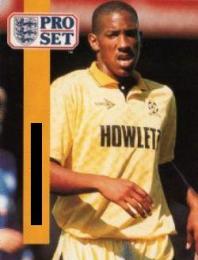
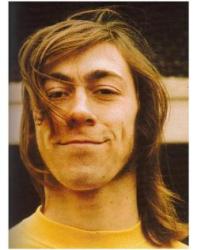
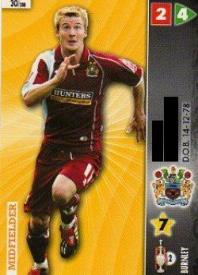
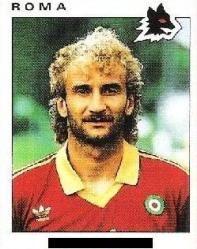
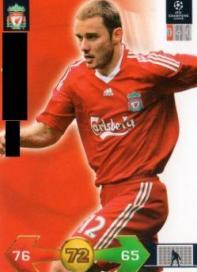
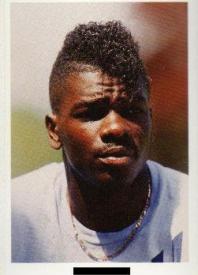
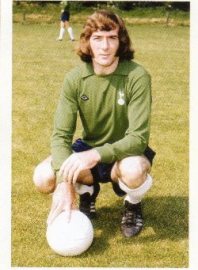
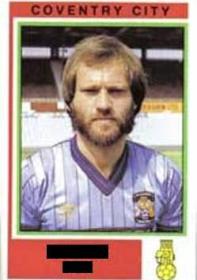
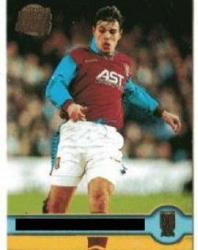
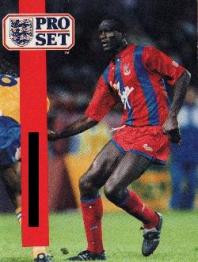
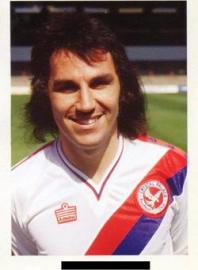
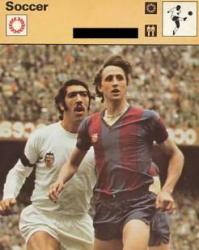
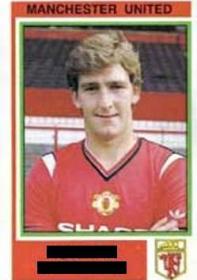
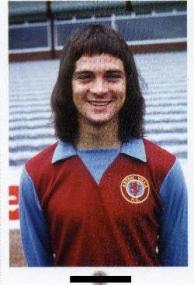
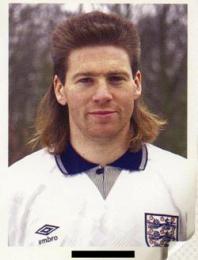

Mention any well-known footballer and most supporters will picture them at a particular moment. It might be the season he hit his peak, the night he scored in a cup final, or the year he turned up for pre-season with a haircut that should have been reported to the authorities. For younger fans the picture might be a grey-haired figure in a club coat, shouting instructions from the touchline.
So when the image on screen does not match the one in your head, even a very famous face becomes a puzzle. That is the whole idea here. Every player below is someone of note, caught at a stage of his career, or behind a hairstyle, that makes him far harder to place than he should be.
The haircuts that hid a generation
Football has always followed fashion at a slight delay. When the perm arrived in the late 1970s, footballers took to it with an enthusiasm that lasted well into the 1980s, and team photographs from the period look like a convention of tightly curled session musicians. The mullet followed: short at the front, long at the back, and worn with total conviction by players from the First Division to the Bundesliga.
The 1990s brought their own crimes. Curtains parted down the middle, ponytails on defenders, bleached tips and the gelled spikes that earned the nickname "pineapple". Each generation thought its style was the sharp one. Each was wrong. Hardly anyone escaped, from the fiercest centre-half to the shyest reserve-team full-back.
Players then were not managed by image consultants. A haircut was something done by a mate, a wife or a barber near the training ground, and the results were captured forever on stickers, in programmes and on the front of football magazines. Those are the photographs that cause the trouble now.

From the pitch to the dugout
The other trap is time. A player who went on to manage for twenty years can be remembered only as a manager by anyone born after his playing days ended. Show that supporter a picture of him at twenty-two, lean and full-haired in a tight polyester shirt, and there is no chance of a match.
The process works the other way too. Supporters who watched a player in his prime often struggle to recognise him later, heavier and greyer, in a suit on the touchline or a sofa in a television studio. Ian Holloway, profiled in the Ian Holloway player profile, is a good example of a man whose managerial fame long ago overtook memories of his days in midfield.
Music adds another layer. Several footballers of the 1980s and early 1990s took their image into pop records, with results that ranged from charming to alarming, as the clip of Basile Boli and Chris Waddle singing together shows.
How to play
Under every picture there is an answer box. Type the player's full name and, if it is right, the box turns green and the score counter goes up by one. There is no sign-up and no limit on how many times you can try.
Use first name and surname as the player was known during his career, not a nickname. If a face refuses to come to you, move on and come back: a later picture sometimes jogs the memory for an earlier one.
For more hair-related misery, the facially fuzzy players sticker quiz turns to moustaches and beards, and the stars of English football sticker quiz sticks to the home-grown heroes. Sure a friend would fall at the first hurdle? Tweet it their way.
A small consolation for anyone who scores badly: most of these players would struggle to recognise themselves too.