 ThreeMatchBan
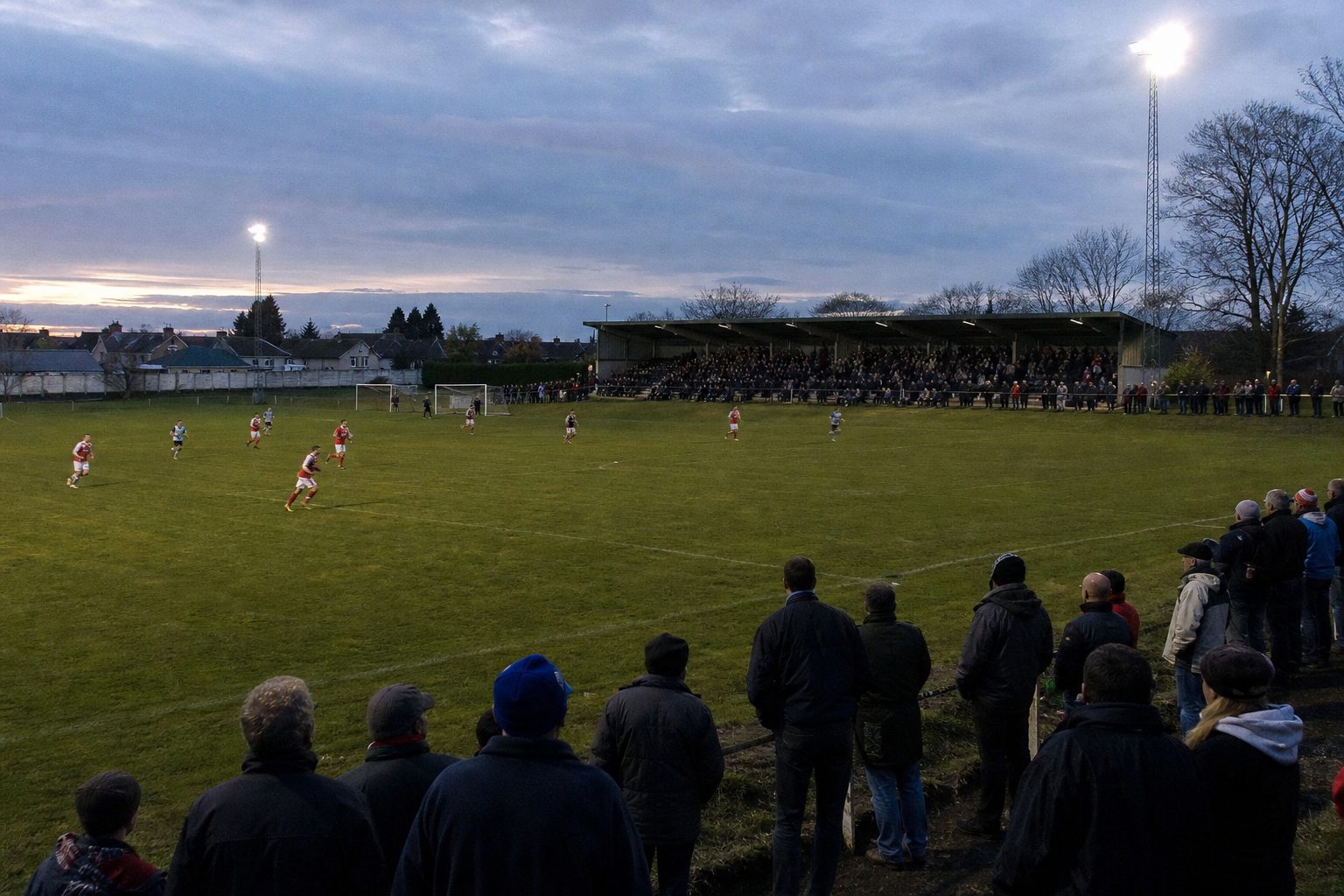
Barnet's Underhill was never the most glamorous of venues. On the evening of Tuesday 5 April 2011, though, it was the place to be for one half of north London.
While Tottenham were being taken apart 4–0 by Real Madrid in the first leg of their Champions League quarter-final, Arsenal Reserves were playing their last home league game of the season against Sunderland. Both sides attacked with real intent, and the hosts won an entertaining match 4–2.
Familiar faces at Underhill
There were a few names the crowd recognised. Jens Lehmann, the elder statesman of goalkeepers, had come out of retirement to rejoin Arsenal as emergency cover that spring, and he reminded everyone of his calm, almost casual manner on the ball when the opposition closed him down. Jérémie Aliadière, a product of the club's academy a decade earlier, was training with the Gunners while he looked for a new club.
They were the support acts. The main attraction was the next generation, a group of teenagers hoping to impress Arsène Wenger before the following season.
Most reserve players at a club like Arsenal are loaned out to test themselves in league football, and many never return to the top flight. Jack Wilshere, who had become a fixture in the first team that season and was named PFA Young Player of the Year that spring, was the example every one of them wanted to follow. On this evidence, a few had the talent to try.
Three stood out.
Ignasi Miquel
Arsenal's own website called him a "cultured Catalan centre-back", and the 18-year-old Spaniard was far more than an excuse for alliteration. Captain for the evening, Miquel was a composed presence at the back. His positional sense and tidy use of the ball showed why Wenger had trusted him in the starting line-up for the FA Cup ties against Leyton Orient earlier in the season.
He had joined Arsenal from Unió Esportiva Cornellà, then a Tercera División side, in September 2009. Afterwards he was realistic about the step still ahead of him, despite those first-team appearances. "I think we've got a lot to do to improve ourselves and to improve our game," he said.
With Arsenal regularly short of fit centre-backs through injury, a player of his type looked like a useful addition if his development was handled carefully. In the end his future lay elsewhere: after loans away, Miquel left Arsenal and built his career with Norwich City and then back in Spain.
Oguzhan Ozyakup
Playing in central midfield alongside Conor Henderson, who had also featured against Orient in the Cup, the Dutch-born 18-year-old risked being overshadowed by his more experienced partner. Instead, it was Ozyakup who shone.
He linked the play constantly and was always available to receive the ball. His passing was efficient and accurate, keeping possession and pushing his side up the pitch whenever the chance arose. Arsenal had signed him from AZ Alkmaar's youth set-up in 2008.
Competition for midfield places at Arsenal was fierce, and a loan move looked like his best route to the manager's attention. As it turned out, he found his stage in Istanbul. Ozyakup joined Beşiktaş in 2012, became a key midfielder there and went on to play for Turkey.
Luke Freeman
Arsenal drifted through spells of the game in a way that recalled the first team's slump that spring. Freeman was the exception, the most consistent performer in red and a constant menace to the Sunderland defence.
The slight, quick 19-year-old winger was full of running and kept finding dangerous positions. His quick feet and turn of pace came with real awareness of where his team-mates were. He set up one goal and scored another with a well-struck first-time finish from the edge of the area, a goal worthy of a much bigger stage.
Freeman already had a place in the record books. When he came on as a substitute for Gillingham against Barnet in the FA Cup on 10 November 2007, aged 15 years and 233 days, he became Gillingham's youngest ever first-team player and, at the time, the youngest player ever to appear in the FA Cup. Arsenal signed him soon afterwards, and a loan spell at Yeovil in League One appeared to have sharpened his game.
He never made the breakthrough at Arsenal, but he did build a long career in the Football League, with Stevenage, Bristol City, Queens Park Rangers and Sheffield United among his clubs. The intimate atmosphere of Underhill itself is captured in the piece on football at lowly Barnet, while the old argument about trusting young players is the subject of you never win anything with kids. The cannon these youngsters wore on their shirts has its own story, told in the Arsenal badge history.
That night at Underhill, the 4–2 scoreline mattered far less than the glimpse of three teenagers who looked ready for more.