 ThreeMatchBan
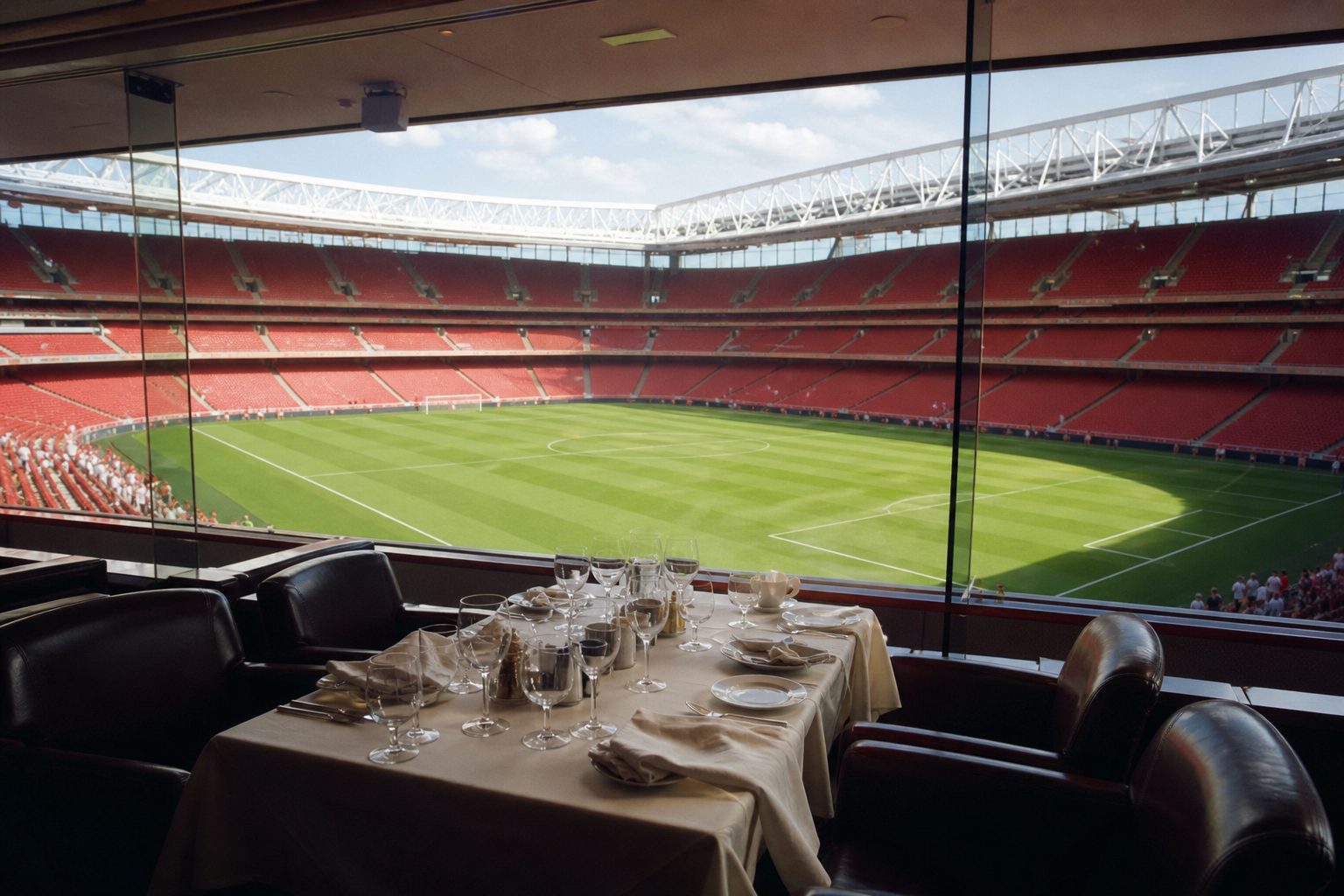
"What was that?" and "Ivan, we need to spend some money" were among the shouts aimed at the directors' box at the Emirates on Sunday 31 July 2011. They followed a chorus of boos that rang around the stadium after Arsenal had drawn 1–1 with New York Red Bulls in the Emirates Cup, a pre-season tournament that was supposed to be a gentle warm-up.
From the Diamond Club, the most exclusive of the stadium's hospitality areas, the afternoon looked rather different. Seated directly above the chair of chief executive Ivan Gazidis, after a long and generous lunch, a guest could be forgiven for thinking all was well in north London. Down in the stands, plenty of supporters disagreed.
Two draws and a lot of boos
The mood had started to sour the day before. Arsenal had led Boca Juniors 2–0 and let the lead slip, finishing 2–2, and faint boos could be heard at the final whistle. Fans hoped for a response against the MLS side the following afternoon, if only to avoid another round of "same old Arsenal" headlines.
It did not come. Robin van Persie headed Arsenal in front in the first half, and the home side dominated against opponents happy to sit deep in their own half. But they could not add a second, and in the closing moments the young defender Kyle Bartley turned the ball into his own net. The whistles that followed were louder than the result deserved, which told its own story.
Discontent that went deeper than pre-season
Friendly results rarely matter, and both weekends' games were quickly forgotten by the players. The fans' frustration was something else. Arsenal had last won a trophy in 2005, when they beat Manchester United on penalties in the FA Cup final, and the patience built up during Arsène Wenger's great years was wearing thin.
Wenger's model of developing talent had produced outstanding players, Cesc Fàbregas above all. But the refusal to spend heavily on established stars had become a constant source of argument, and many supporters linked that caution directly to the growing gap between Arsenal and the clubs at the top of the table. Everyone knew that Arsenal played lovely passing football and had skilful players. Everyone also knew how the sentence usually ended.
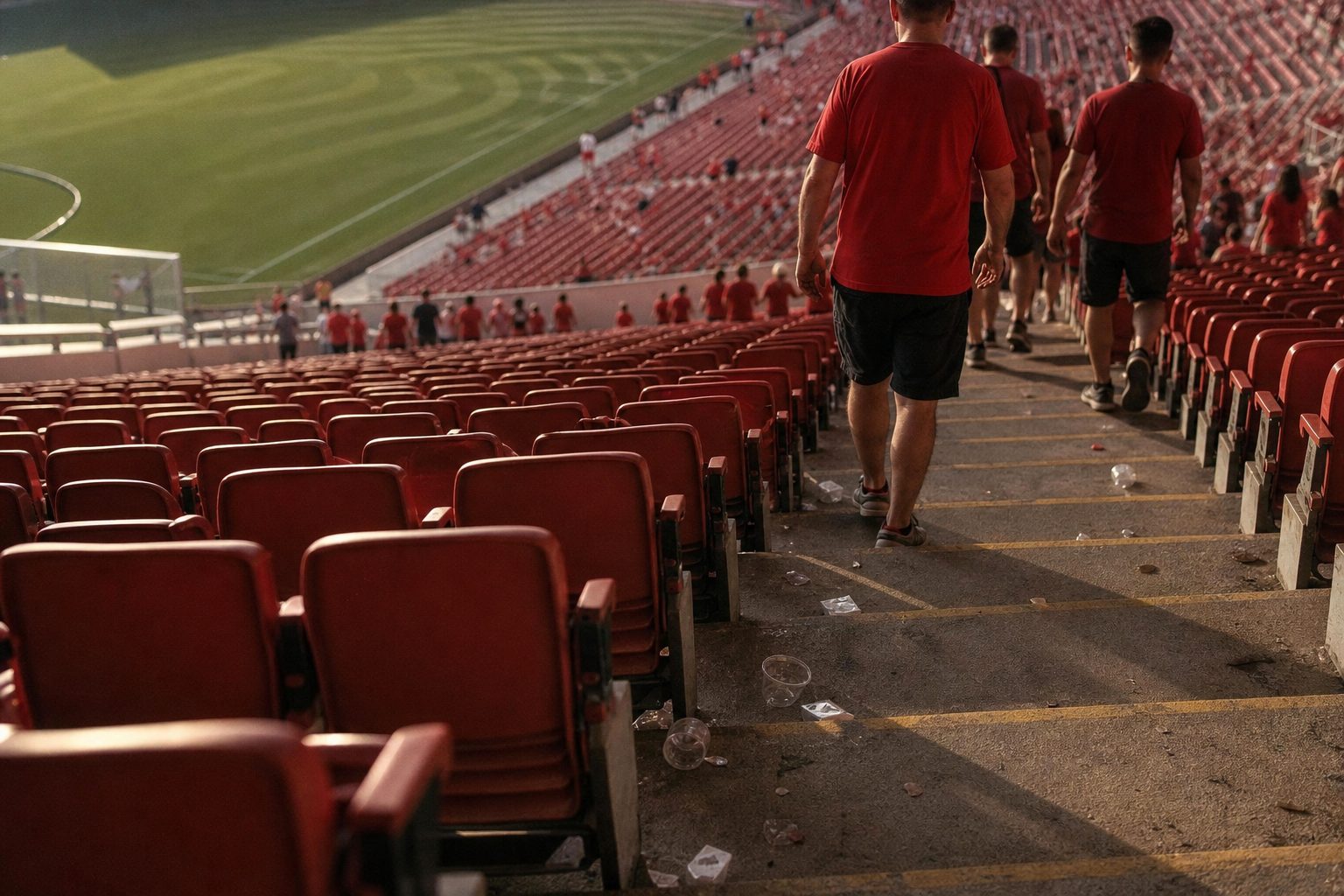
The weaknesses on show that weekend were familiar ones. The defence looked fragile, the team could be strangely indecisive in front of goal, and there was a clear case for a selfish striker who would shoot rather than pass. A hard truth was also becoming difficult to ignore: rivals had grown stronger both on the pitch and in the bank, eroding the advantage Arsenal had once enjoyed.
With the players at Wenger's disposal there was no reason Arsenal should not challenge. Recent seasons, though, suggested that his idealistic side did not yet have the full package.
What happened next
The month that followed turned the Emirates Cup boos into a footnote. Fàbregas completed his long-awaited move to Barcelona in mid-August, and Samir Nasri left for Manchester City shortly afterwards. On 28 August Arsenal were beaten 8–2 at Old Trafford, their heaviest league defeat in more than a century, and on deadline day Wenger moved quickly to sign Per Mertesacker, Mikel Arteta and Yossi Benayoun among others.
Arsenal recovered to finish third in 2011–12, carried by Van Persie's 30 league goals, but he left for Manchester United the following summer. The trophy drought finally ended with the FA Cup in 2014. Arteta, one of the deadline-day signings of that chaotic summer, later returned as manager and led the club to another FA Cup in 2020.
A view from above
For anyone who cares about competition at the top of the Premier League, it was hard not to want Arsenal back there, if only as a reward for the way they tried to play. In the summer of 2011 that looked unlikely, and the fans' reaction to a disappointing friendly tournament made their worries plain.
The hospitality that afternoon came courtesy of Indesit and the agency We Are Social. Supporters looking for a cheaper way to enjoy a matchday can find the pubs around the ground in the away fans' guide to Arsenal, and those who wanted cheering up that summer could look to the next crop of academy prospects. The cannon on the club badge had rarely looked so defensive.
One thing was certain. The view from the comfy seats was much rosier than the view from the rest of the stand, unless, of course, you happened to be Ivan Gazidis.