 ThreeMatchBan
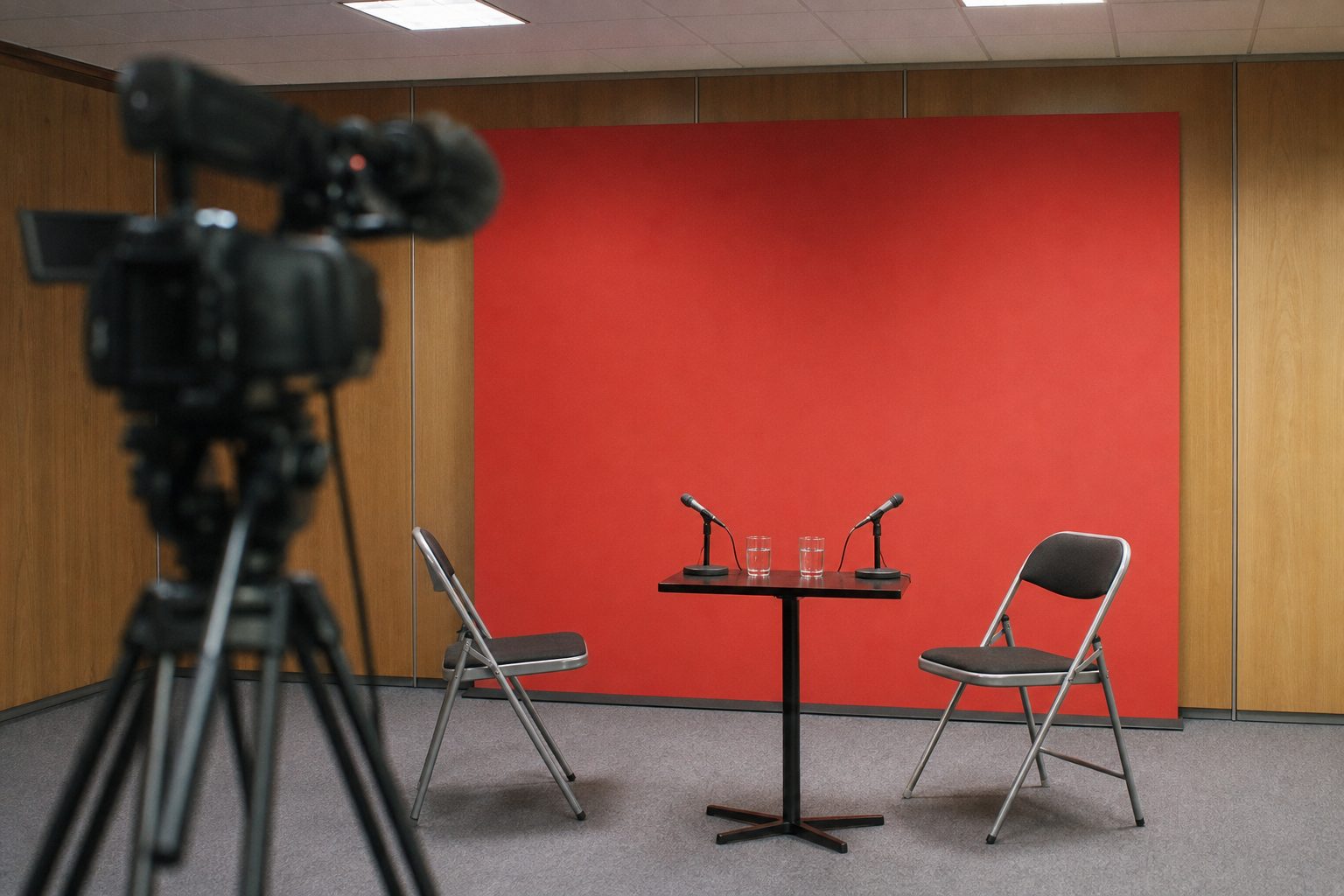
Footballers’ interviews are, as a rule, a careful exercise in saying nothing. The team worked hard. The three points are what matter. Next week is another big game. Mikel Arteta and Santi Cazorla, two of the most intelligent footballers of their generation, were no exceptions, and their joint interview from the 2012–13 season is as cliché-ridden as any.
Then @talkSPORT added subtitles, and the conversation suddenly had a lot more to say.
The joke
The trick is an old one. Take footage of people talking, ideally in a language much of the audience does not follow, and write subtitles that bear no relation to what is actually being said. It works best when the speakers look calm and polite, because the gap between their faces and the words underneath does the work.
Arteta and Cazorla were ideal. Both were thoughtful, softly spoken and impeccably professional in front of a camera. Neither ever gave the slightest hint of what a dressing room conversation might sound like. The subtitles fill that gap.
The station behind it had form for this sort of thing. talkSPORT began life as Talk Radio in 1995 and became a sports station in 2000, and by 2012, like every broadcaster, it was also posting short video clips online for people to pass around alongside its radio coverage. A pair of mild-mannered Spanish midfielders made perfect material.
Two Spaniards in north London
Arteta reached Arsenal by a winding route. Born in San Sebastián in 1982, he came through the Barcelona youth system, went on loan to Paris Saint-Germain, won the Scottish title with Rangers, spent a short spell back home at Real Sociedad and then established himself at Everton under David Moyes. Arsenal signed him on deadline day in August 2011, in the frantic week after an 8–2 defeat at Old Trafford.
Cazorla arrived a year later from Málaga, having made his name at Villarreal. Short, quick and almost perfectly two-footed, he had already won two European Championships with Spain, in 2008 and 2012. Arsène Wenger built much of the 2012–13 side around him.
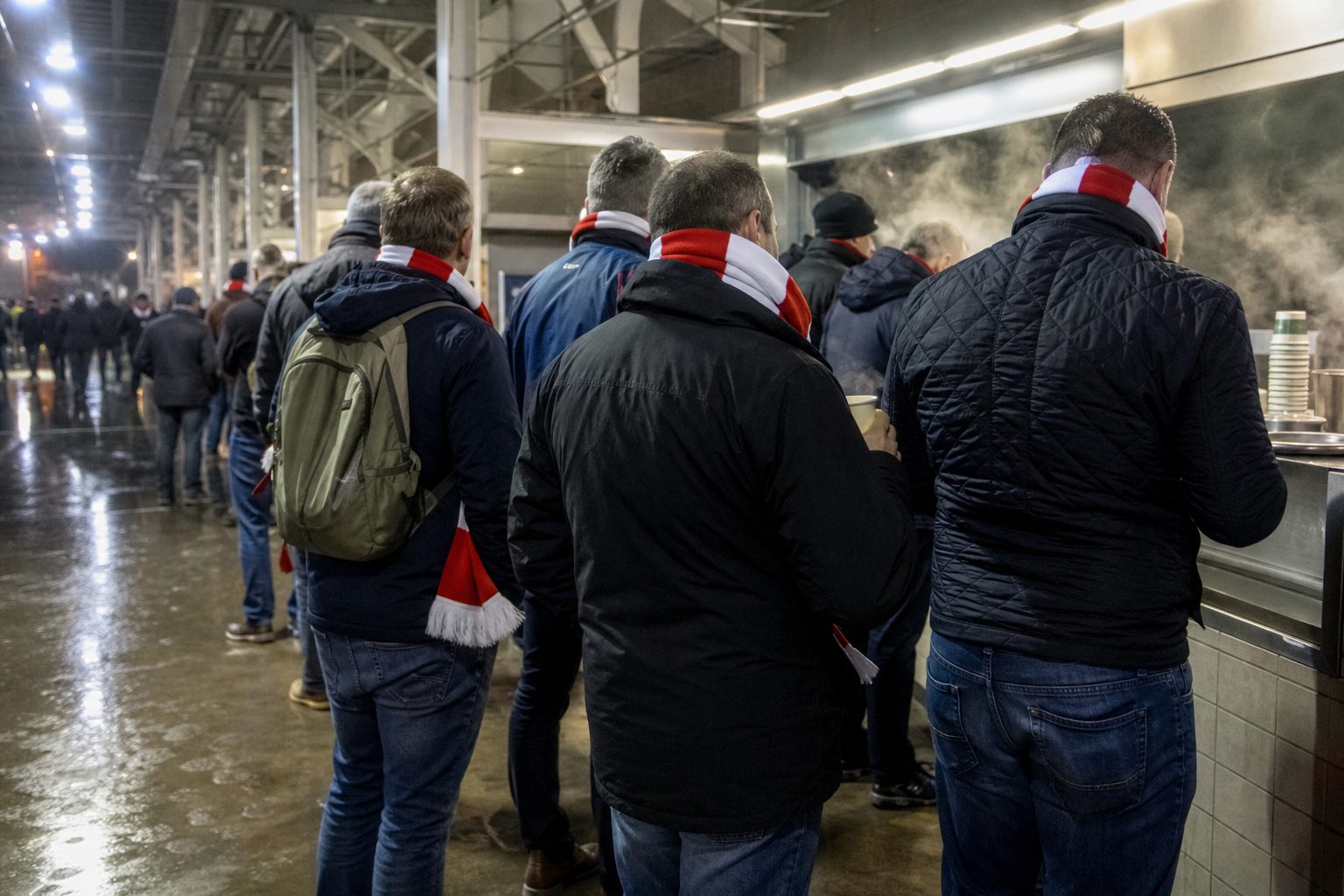
They were different players. Arteta was the organiser, sitting deep and keeping the ball moving. Cazorla was the creator, drifting between the lines and shooting with either foot. Supporters at the Emirates, the subject of a pub guide for away fans visiting Arsenal, came to rely on both.
Trophies at last
That period at Arsenal was not always comfortable. The club went years without a trophy after 2005, and the mood among supporters could turn quickly, as anyone who has read the view from the comfy seats of Arsenal’s discontent will know.
The drought ended in May 2014. In the FA Cup final against Hull City at Wembley, Arsenal were 2–0 down inside ten minutes. Cazorla’s free kick started the recovery, Laurent Koscielny equalised and Aaron Ramsey won it 3–2 in extra time. A year later Arsenal beat Aston Villa 4–0 in the final and kept the cup.
After the interview
Cazorla’s Arsenal career was cut short by a long and serious Achilles injury. He needed repeated operations, and at one stage there were doubts he would walk normally again, let alone play. He returned to Villarreal in 2018, earned a recall to the Spain squad, and later played in Qatar before going home to Real Oviedo, the club of his youth.
Arteta retired in 2016 and went straight into coaching as an assistant to Pep Guardiola at Manchester City. In December 2019 he returned to Arsenal as head coach and won the FA Cup within a year, beating Chelsea 2–1 in the 2020 final.
Somewhere in that later career, as the man answering the questions at press conferences, Arteta became the one supplying the careful lines. Nobody has yet subtitled those.