 ThreeMatchBan
On 2 May 2011 Osama bin Laden, the leader of al-Qaeda and the man behind the attacks of 11 September 2001 that killed nearly 3,000 people in New York, Washington and Pennsylvania, was killed by US special forces at a compound in Abbottabad, Pakistan. He had been the world's most wanted man for a decade.
The coverage that followed was vast. Most of it, rightly, concerned the victims, the intelligence operation and the consequences for the region. Buried in the margins, though, was a strand that football supporters had heard before: the claim that one of the most notorious terrorists in history had once stood on the terraces at Highbury.
Some of it was trivial. One tabloid ran a story about local children kicking footballs over the high walls of the Abbottabad compound and the balls never being returned, presented as if it revealed something about the man inside. It revealed very little. The older story about Arsenal had at least been in circulation for years.
The Highbury claim
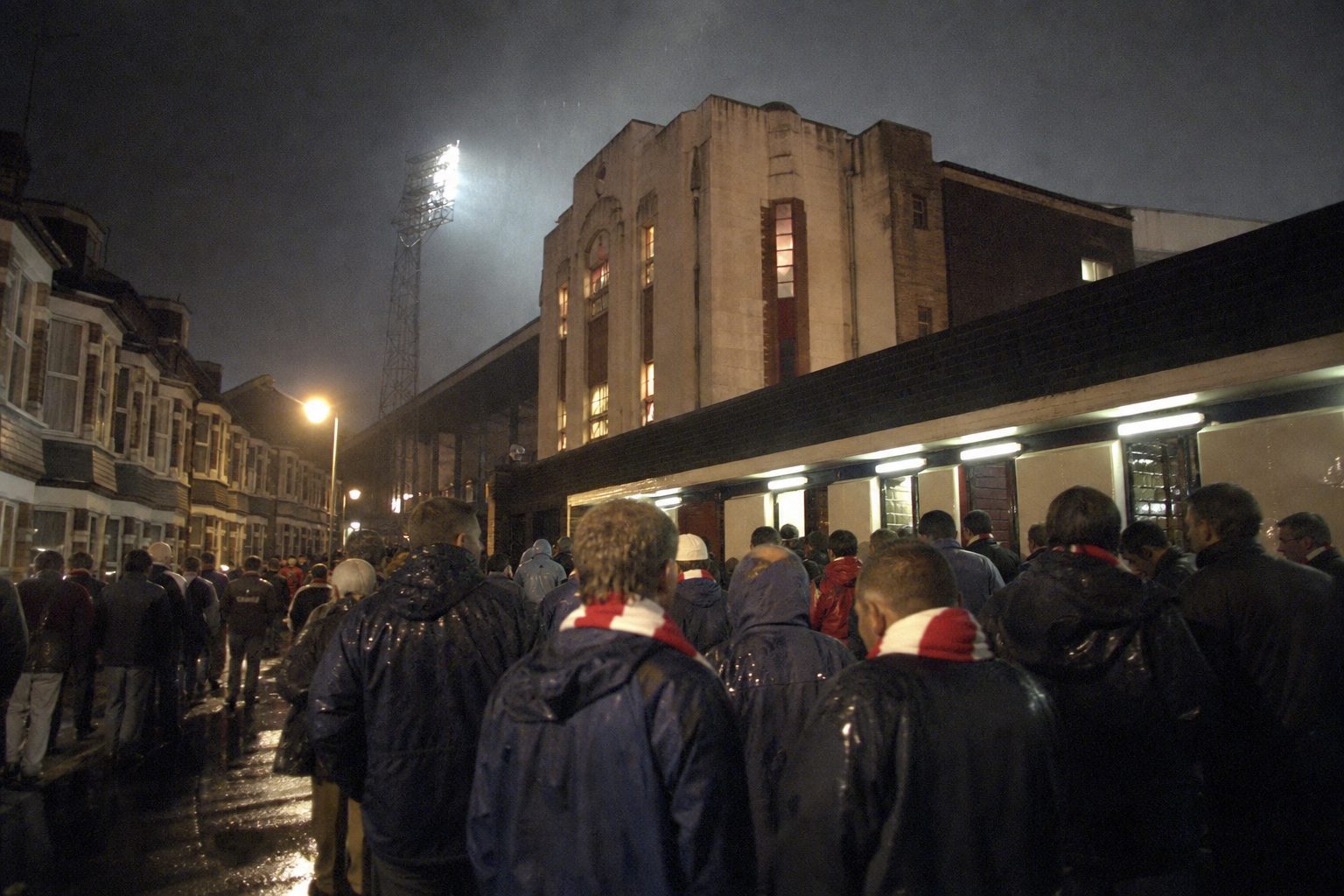
The story comes from Adam Robinson's biography, Behind the Mask of Terror, which reported that bin Laden spent time in London in 1994 and attended several Arsenal matches during the club's European Cup Winners' Cup campaign that season. According to the book, he also bought an Ian Wright replica shirt for one of his sons.
Arsenal went on to win that competition, beating Parma 1–0 in the final in Copenhagen with a volley from Alan Smith. The idea that this run was watched by a man who would later order mass murder has followed the club around ever since, mostly as a grim curiosity.
It has never been proven. No ticket, photograph or independent witness has surfaced, and many writers have treated the claim with open scepticism. It may be true, it may be embroidered, or it may be invented outright.
Supporters reacted in different ways. The fans' site Arseblog was among those that noted the claim alongside lists of better-known famous followers. The club itself was blunt. "We've seen the reports in the papers. Clearly he wouldn't be welcome at Highbury in the future," a spokesman told BBC Sport.
Arsenal left Highbury for the Emirates Stadium in 2006, and the old ground has since been converted into flats. Visits to the new stadium are described in a day at the Emirates.
Jeddah and the morning games
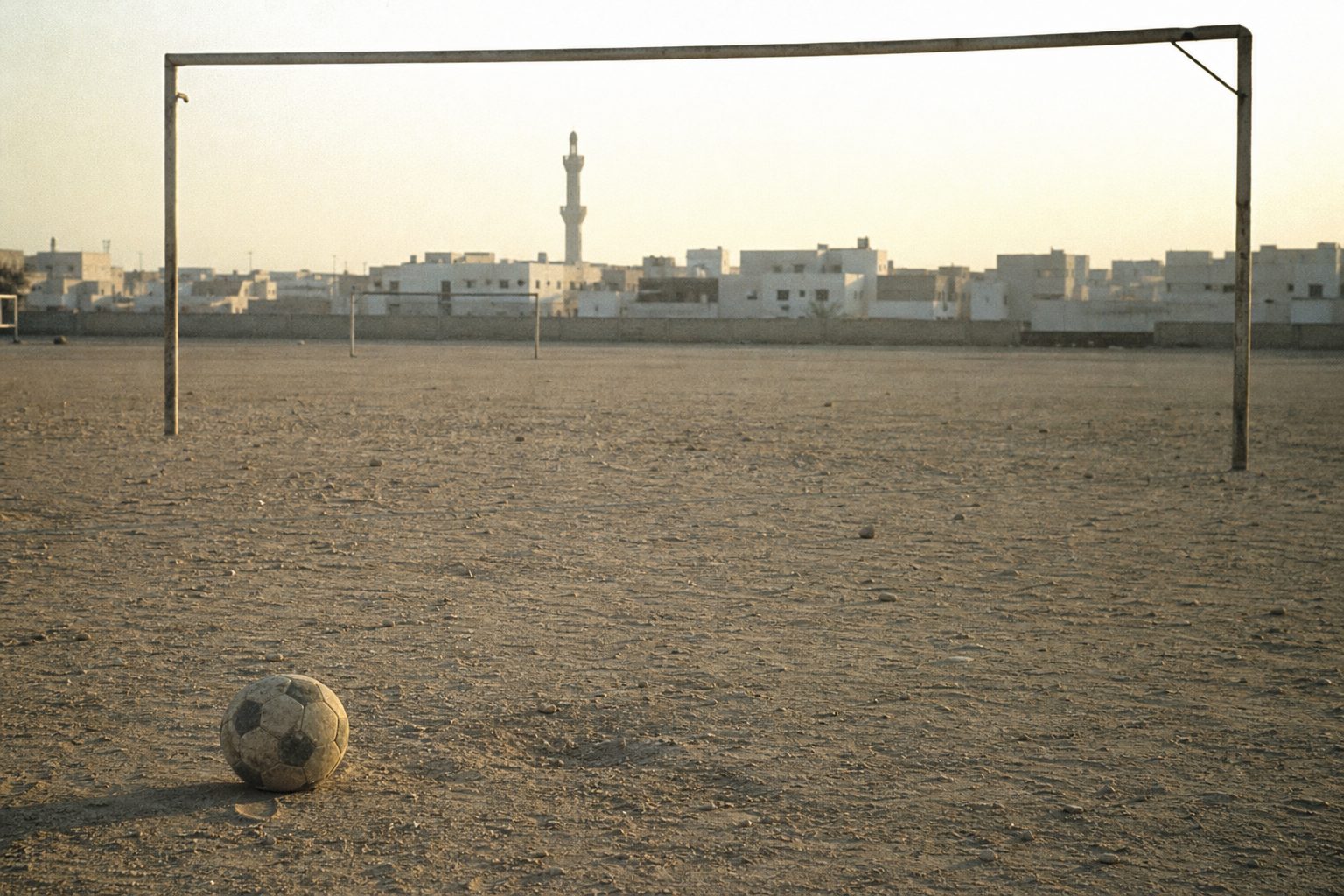
In the days after his death, people who had known bin Laden as a young man spoke to journalists, and football featured in several accounts of his youth in Saudi Arabia. His childhood friend Khaled Batarfi told the Mirror: "In summer, early in the morning, after mosque, we'd come together to play football. We would argue amongst ourselves – 'this was a foul, that was a goal'. He was the only one who wouldn't argue, wouldn't fight."
Lawrence Wright's Pulitzer Prize-winning history of al-Qaeda, The Looming Tower, contains a similar picture of the teenager in Jeddah: playing in long trousers rather than shorts out of religious modesty, organising team-mates into groups and quizzing them on the Quran between games. Wright's book is a serious work of reporting, and those details sit within a much darker account of how the young man became radicalised.
These recollections are unsettling precisely because they are ordinary. Millions of boys played the same kind of games on the same kind of dusty pitches. Football tells nothing about what he became.

The alleged 1998 World Cup plot
A far more serious football connection concerns the 1998 World Cup in France. John Spurling's book Death or Glory: The Dark History of the World Cup describes an alleged plan by al-Qaeda, working with the Algerian Armed Islamic Group, to attack England's group match against Tunisia in Marseille in June 1998. According to the account, the targets were to include England players and staff, among them goalkeeper David Seaman, Alan Shearer, the coach Glenn Hoddle, and two rising stars, David Beckham and Michael Owen.
The match went ahead and England won 2–0, with goals from Shearer and Paul Scholes. The day itself is remembered more for violence between England supporters, local youths and police in the Old Port of Marseille than for anything that happened on the pitch.
The scale and seriousness of the alleged plot have been debated, and much of the detail rests on testimony that is difficult to verify. It is, however, a reminder that major tournaments have long been treated as potential targets, and that the security operations surrounding modern World Cups exist for a reason.
Why the stories persist
Death tends to send people searching for anything that makes a notorious figure comprehensible, and football is a common thread in countless biographies. Stories like the Highbury claim spread because they are easy to repeat and impossible to disprove. Arsenal supporters, understandably, have never shown any wish to claim him.
The football footnotes are just that. The 1994 Highbury visits remain unconfirmed, the Jeddah memories are ordinary, and the Marseille attack never happened. What defines bin Laden's life is the murder of thousands of people. The story of the club he supposedly watched, and of its cannon crest, is told in the Arsenal badge history, while a far gentler figure with a tenuous football link is remembered in the piece on Michael Jackson at Exeter City.
At Highbury today, the listed art deco facade of the old East Stand still fronts a block of flats.